Bacteria fight off viruses with a protein like one of ours
-
 Loading...
 - Abam Danso
- 26 Aug 2022
- 61 Views
- 0 Like
- 0 Comment
Vertebrates such as ourselves rely on a complicated, multi-layer immune system to limit the impact of pathogens. Specialized B and T cells play a central role by recognizing specific pathogens and providing a memory of past infections.
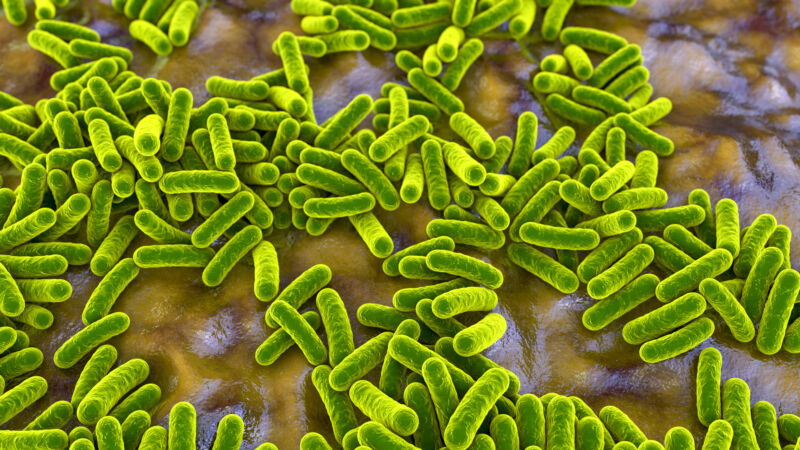
Obviously, single-celled organisms like bacteria and archaea can't take the same approach. But that doesn't mean they're defenseless. They also have an adaptive defense system that maintains a memory of past infections (and happens to make a great gene editing tool). Now, researchers have found that a family of related proteins is used to fight viruses in organisms ranging from bacteria to humans. While the effects it triggers vary among organisms, it appears to be capable of recognizing a wide range of viruses.
Finding family members
Mammals have a family of immune proteins called STAND (for reasons that are unimportant) that are part of what calls the innate immune system. This arm of our immune system doesn't recognize specific pathogens; instead, it recognizes general features of infection, such as molecules that are found on the surface of most bacteria.
The STAND proteins all have a similar structure: a portion that recognizes pathogens, a portion that binds to a molecule that provides energy called ATP, and a portion that allows the protein to trigger a response. As is typical of the innate immune system, these can recognize features typical of an infection, such as parts of the bacterial cell wall or double-stranded RNA. Once they recognize something, the STAND proteins aggregate and trigger a response, such as inflammation, to induce the death of the infected cell.
STAND proteins are so central to immunity that they've been found throughout the animal kingdom, in plants, and in fungi. The general way they respond to infections appears to have a deep evolutionary history. Read More...