Ukrainian Scientists Race to Document Soil Fungi
-
 Loading...
 - Linda Claasen
- 20 Aug 2024
- 58 Views
- 0 Like
- 0 Comment
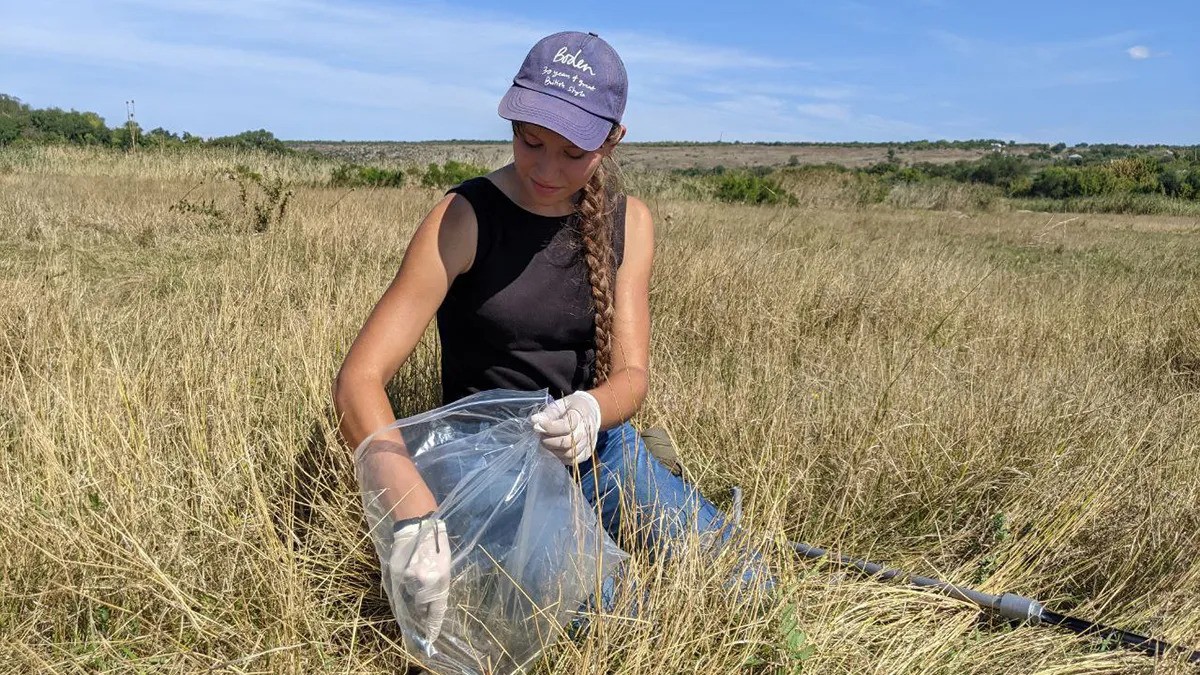
In the midst of war, a team of Ukrainian scientists has embarked on a crucial mission to document the country's soil fungi, a vital component of the ecosystem that remains largely unknown to science. Led by Oleh Prylutskyi, an associate professor at Kharkiv National University, the team has braved the dangers of war to collect soil samples from across Ukraine, including areas close to the front lines.
The project, funded by the Human Frontier Science Program (HFSP), aims to reveal the country's fungal species diversity, which is essential for preserving biodiversity and understanding the ecosystem's response to environmental changes. With over 90% of fungal species still unknown to science, this research is critical for uncovering the secrets of these microscopic organisms.
Prylutskyi and his team, comprising 34 contributors from 17 teams, have collected 225 soil samples from 21 of Ukraine's 24 oblasts, including areas affected by the conflict. The team has faced numerous challenges, including conducting soil sampling by lamplight and navigating through areas with minimal infrastructure.
Despite the dangers, the team remains determined to push the scientific frontier and document Ukraine's fungal biodiversity. "Staying in Ukraine is a risk on a daily basis, thousands have died for no particular reason—sleeping at home or being in public places—so I doubt any Ukrainian would say that pushing the scientific frontier is not worth taking a slightly higher risk than average," Prylutskyi said.
The team uses DNA metabarcoding, a technique that uses genetic sequencing to identify fungal species present in a sample and their relative abundance. The sequences from the soil samples are currently being analyzed in labs in the United States, with results expected by the end of the year.
The project's findings will not only contribute to the global understanding of fungal biodiversity but also provide a reference point to assess the environmental impact of the war. "Understanding the diversity and health of soil fungi before the conflict provides a reference point to assess the damage caused by the war," said Julia Köninger, a soil ecologist and postdoc at the Universidade de Vigo in Spain. "This knowledge is vital for documenting environmental war atrocities and understanding the long-term ecological impact."
Prylutskyi's team has demonstrated remarkable resilience and dedication to their research, despite the challenges posed by the war. Their work will have far-reaching implications for our understanding of the ecosystem and the importance of preserving biodiversity. As Prylutskyi said, "These organisms are a black box: We don't know where they are distributed, nor what environmental conditions they can tolerate—Oleh Prylutskyi is closing this gap."