Beauty and Biodiversity in Romania’s Hayfields
-
 Loading...
 - Grant Berger
- 14 Feb 2025
- 31 Views
- 0 Like
- 0 Comment
Romania is home to some of the most stunning and biodiverse hayfields in Europe, particularly in regions like Transylvania and the Carpathian Mountains. These traditional landscapes are not only visually captivating but also play a crucial role in supporting a wide variety of plant and animal species. Here’s a closer look at the beauty and biodiversity found in Romania’s hayfields.
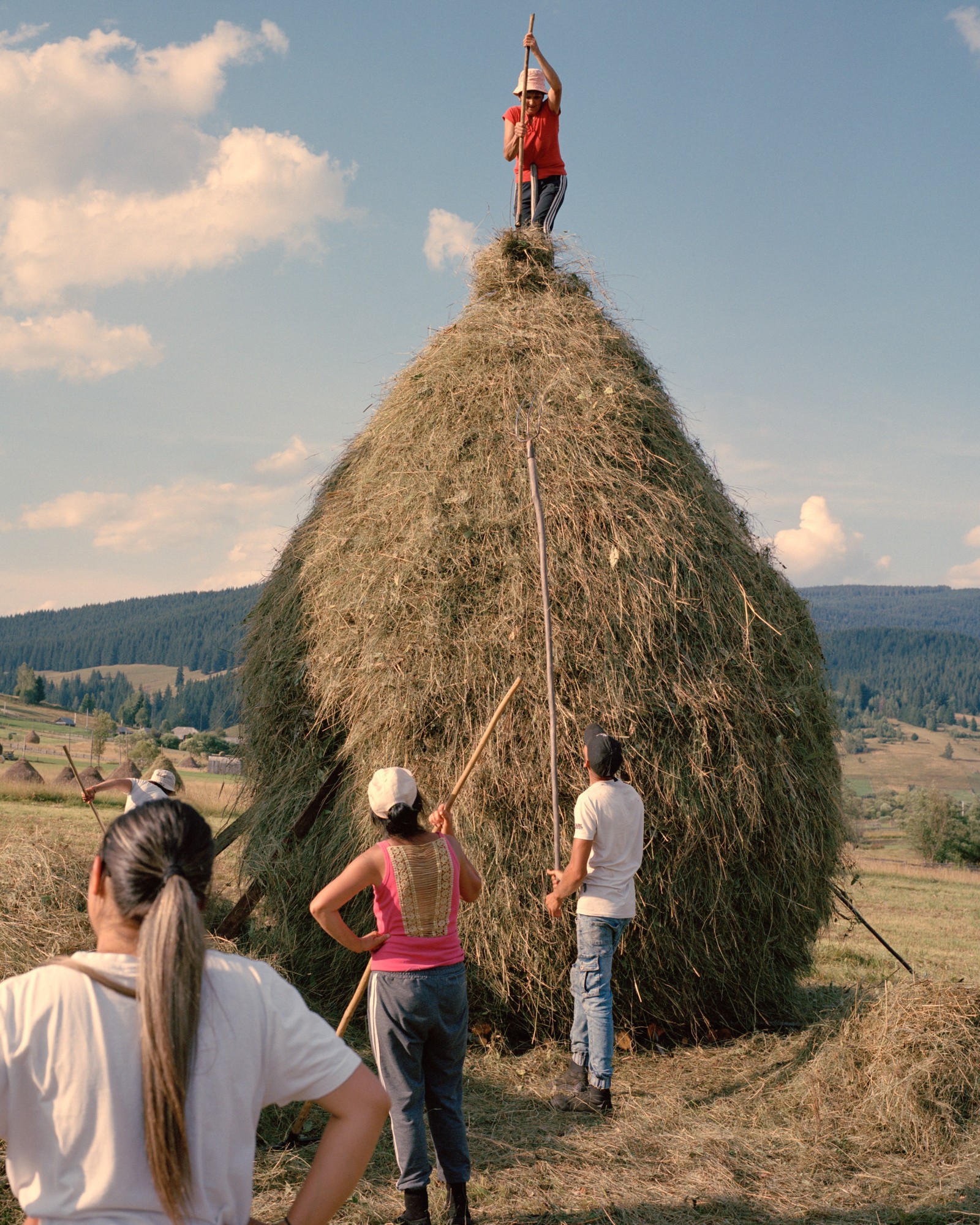
Hayfields in Romania are often managed using traditional farming practices that have been passed down through generations. These practices promote biodiversity and maintain the ecological balance of the landscape. The hayfields are typically cut in late summer, allowing wildflowers to bloom and providing habitats for various species.
Romanian hayfields are rich in wildflowers, with over 1,000 species of plants recorded in some areas. Common species include orchids, buttercups, clover, and wild thyme. The vibrant colors of these flowers create a picturesque landscape, especially during the blooming season, which typically occurs from late spring to early summer.
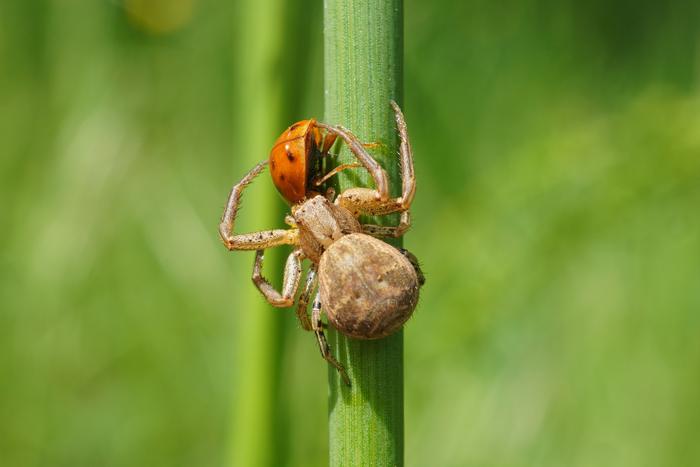
The diverse plant life in hayfields supports a wide range of animal species. Birds such as larks, finches, and quails can be found nesting in the grasses, while insects like butterflies, beetles, and bees thrive in this rich habitat. The presence of these species indicates a healthy ecosystem and contributes to the overall biodiversity of the region.
Hayfields provide essential ecosystem services, including soil stabilization, water regulation, and carbon sequestration. They help prevent soil erosion and maintain soil fertility, which is vital for sustainable agriculture. Additionally, these landscapes contribute to the overall health of the environment by supporting pollinators and other wildlife.
Recognizing the ecological importance of hayfields, various conservation initiatives have been implemented in Romania. These efforts aim to preserve traditional farming practices, protect endangered species, and promote sustainable land management. Organizations and local communities are working together to raise awareness about the value of these habitats and the need for their protection.
The beauty and biodiversity of Romania’s hayfields attract nature lovers, photographers, and tourists seeking authentic rural experiences. Eco-tourism initiatives encourage visitors to explore these landscapes while promoting conservation and sustainable practices. Educational programs and guided tours help raise awareness about the importance of biodiversity and the need to protect these unique ecosystems.
Romania’s hayfields are a treasure trove of beauty and biodiversity, offering a glimpse into the country’s rich natural heritage. By preserving these landscapes and promoting sustainable practices, Romania can continue to support the diverse flora and fauna that thrive in these vibrant ecosystems. The hayfields not only enhance the country’s scenic beauty but also play a vital role in maintaining ecological balance and supporting local communities.