Biodiversity Increases Nutrient Availability
-
 Loading...
 - Menes Taha
- 07 Jan 2025
- 39 Views
- 0 Like
- 0 Comment
Biodiversity plays a crucial role in enhancing nutrient availability within ecosystems, particularly through the provision of essential nutrients like omega-3 and omega-6 polyunsaturated fatty acids (PUFA). Insects and arachnids serve as vital sources of these essential fatty acids for various animals, including birds, hedgehogs, and lizards. However, the fatty acid content varies significantly depending on the specific types of insects and spiders consumed. For instance, aquatic insects such as caddisflies and dragonflies are richer in omega-3 long-chain (LC) PUFA compared to their terrestrial counterparts, as they feed on algae that form the base of aquatic food chains.
Research led by Cornelia Twining, a group leader at the aquatic research institute Eawag and a professor at ETH Zurich, aimed to explore the impact of insect and arachnid biodiversity on the availability of fatty acids within food webs. The study analyzed over half a million observations of approximately 7,600 insect and spider species across 700 land and water ecosystems in Switzerland, including around 400 aquatic and 300 terrestrial ecosystems. These ecosystems varied in land use, ranging from natural habitats like meadows and forests to agricultural areas and urban settings.
The analysis revealed that a decline in insect and spider biodiversity correlates with reduced biomass and lower levels of key fatty acids across all studied communities. In terrestrial ecosystems, significant differences were observed based on land use; for example, insect and spider communities in urban parks provided fewer omega-3 LC-PUFA compared to those in forested areas. This discrepancy is attributed to differences in species composition and lower biomass in urban environments, which also host fewer predators that accumulate these essential fatty acids.
Interestingly, the study found that the impact of land use on aquatic communities was less pronounced. Streams in urban areas exhibited similar fatty acid content to those in forested regions, likely because aquatic insects generally contain higher amounts of omega-3 LC-PUFA. However, the loss of predators like spiders in terrestrial ecosystems has a more significant impact on fatty acid availability.
Importance of Aquatic Ecosystems
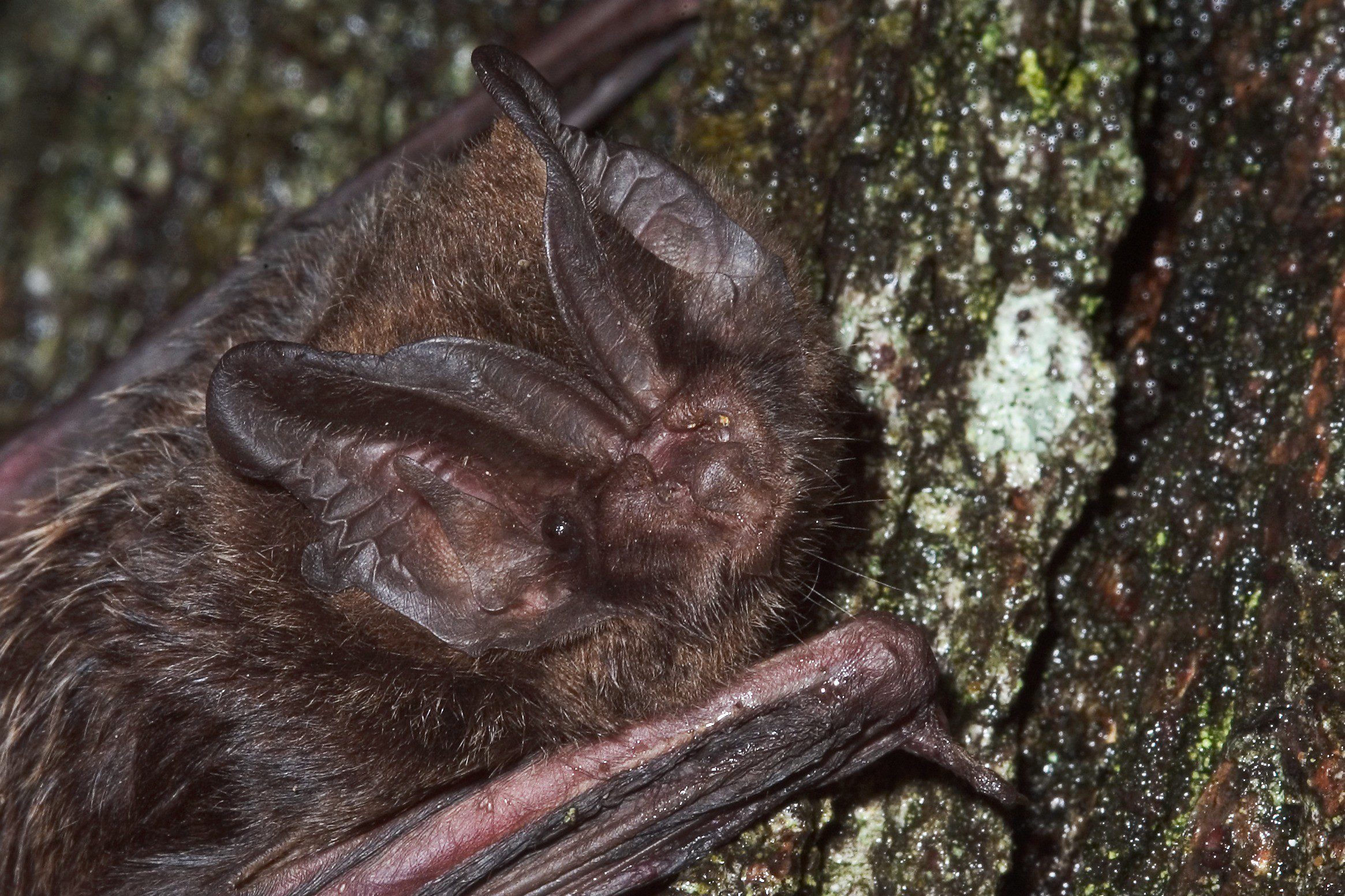
Aquatic ecosystems emerge as crucial sources of fatty acids, especially in urban areas where insect and spider populations are declining due to human land use pressures. In these environments, aquatic insects become increasingly important for providing essential fatty acids to terrestrial food webs, benefiting animals such as birds, bats, and lizards. However, the presence of pollutants in streams, rivers, and lakes poses a significant threat to these vital food sources.
The study underscores the importance of protecting biodiversity, particularly in agricultural and urban areas, and highlights the need to improve water quality to sustain food webs and ecosystem functions. As Twining emphasizes, preserving biodiversity is essential for maintaining the health and functionality of ecosystems.