85% of Wetlands Lost to Farming and Infrastructure
-
 Loading...
 - Solomon Iroh
- 09 Jan 2025
- 31 Views
- 0 Like
- 0 Comment
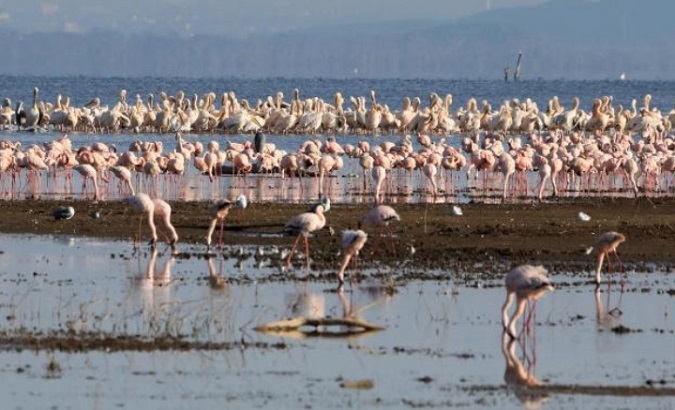
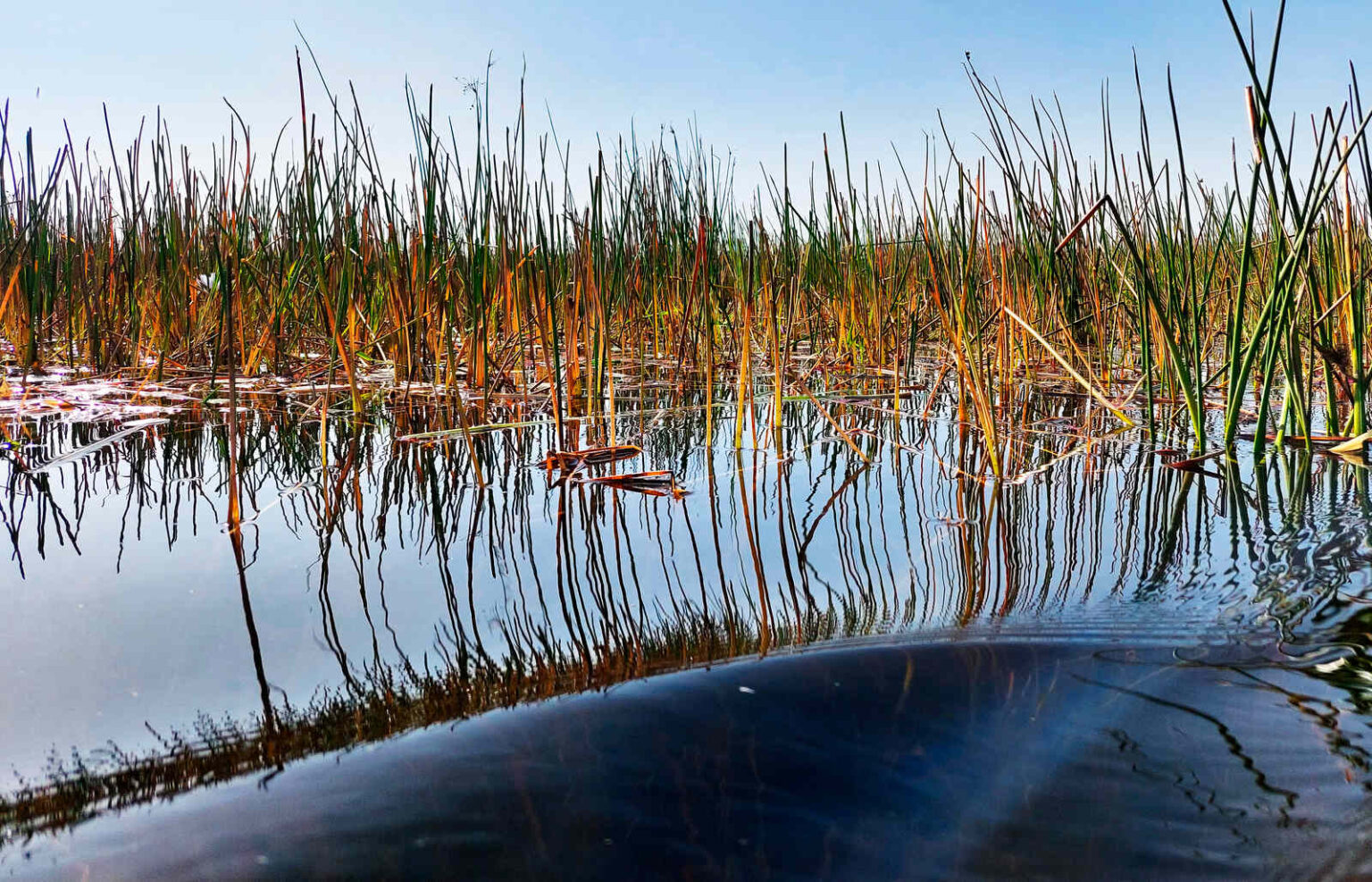
The impact of climate change on ecosystems is profound, and one of the most alarming statistics is the significant loss of wetlands. According to the Intergovernmental Science-Policy Platform on Biodiversity and Ecosystem Services (IPBES), over 85% of wetlands that existed in 1700 had been lost by the year 2000. This loss is primarily attributed to drainage for development, farming, and other productive uses.
Here are some important climate facts to understand the current environmental challenges:
i. Unclean Environments: A report by the State of the Nigerian Environment (STONE) indicates that approximately 179 million Nigerians live in unclean environments, highlighting the urgent need for improved sanitation and environmental management.
ii. Cleanliness Performance Index: The annual cleanliness performance index ranks Akwa Ibom and Abuja as the cleanest areas in Nigeria, showcasing regional efforts in maintaining cleaner environments.
iii. Wetland Loss: The IPBES reports that wetlands are disappearing at a rate three times faster than forests. This rapid loss poses an existential threat to hundreds of thousands of animal and plant species that rely on these ecosystems for survival.
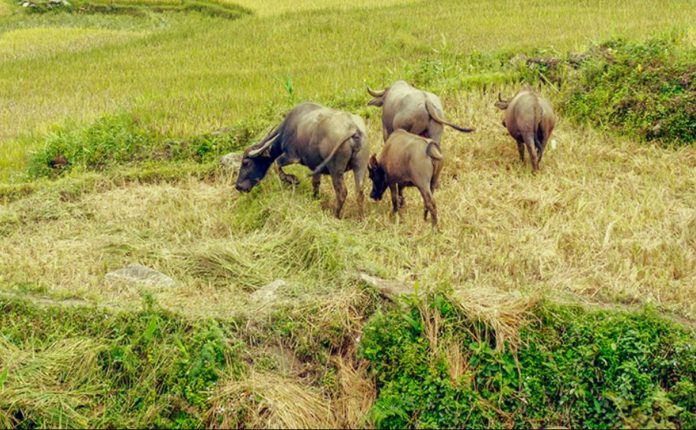
iv. Impact on Agriculture: The Intergovernmental Panel on Climate Change (IPCC) states that agricultural productivity growth in Africa has decreased by 34% since 1961 due to the effects of climate change. This decline in productivity can be linked to the degradation of vital ecosystems, including wetlands.
The loss of wetlands due to farming and infrastructure development is a critical environmental issue that has far-reaching implications for biodiversity, agriculture, and overall ecosystem health. As wetlands continue to disappear, it is essential to raise awareness and implement strategies to protect these vital ecosystems for future generations. Understanding these facts can help demystify the complexities of climate change and its impact on our environment.