5 Fascinating Animals Found in Belgium
-
 Loading...
 - Annette Monet
- 24 Feb 2025
- 24 Views
- 0 Like
- 0 Comment
Belgium, known for its rich history and stunning architecture, is also home to a remarkable array of wildlife. With diverse habitats ranging from dense forests to wetlands and coastal areas, the country supports a variety of fascinating animals. Here are five incredible species that call Belgium home, each playing a vital role in the nation’s ecosystems.
1. Harbour Porpoise
The harbor porpoise is a small, shy marine mammal often spotted along Belgium’s North Sea coast. Recognizable by its compact size, dark gray coloring, and rounded dorsal fin, it is one of the smallest cetaceans in the world. These excellent swimmers navigate shallow waters in search of fish, squid, and crustaceans. Sightings of harbor porpoises in Belgium have increased due to conservation efforts and cleaner coastal waters, making them a highlight for wildlife enthusiasts visiting the region.

2. Wild Boar
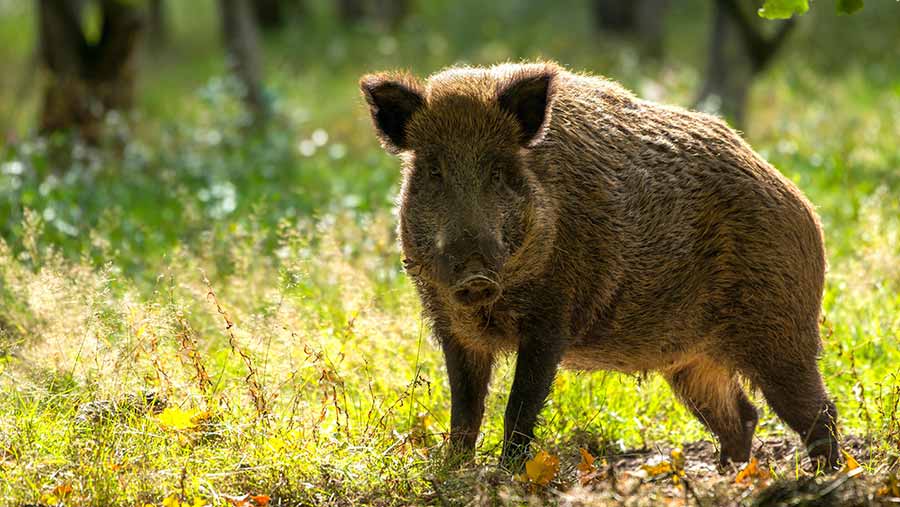
One of the most popular woodland animals in Belgium, the wild boar roams in large groups throughout the Ardennes and other natural reserves. With their stocky build, coarse dark fur, and prominent tusks, wild boars are intelligent and adaptable creatures. They contribute to forest health by feeding on roots, fruits, and insects. While generally shy, they are increasingly spotted near rural areas as they adapt to human activity. The wild boar is also a symbol of Belgium’s untamed wilderness and natural heritage.
3. Eurasian Beaver
The Eurasian beaver, Europe’s largest rodent, has made a remarkable comeback in Belgium, particularly along rivers and wetlands. Known for their impressive engineering skills, these industrious creatures build dams and lodges using branches and mud, creating vital habitats for other wildlife. With their flat tails, webbed feet, and powerful teeth, beavers are perfectly adapted to aquatic life. Once extinct in Belgium due to overhunting, conservation efforts have successfully reintroduced them, making the Eurasian beaver a symbol of ecological restoration.
4. Common European Adder
The common European adder is Belgium’s only venomous snake, often found in heathlands, woodlands, and grasslands. Easily recognizable by its distinctive zigzag pattern, this small snake is generally shy and prefers to avoid humans, striking only when threatened. Adders play a crucial role in controlling rodent populations, feeding on small mammals, birds, and lizards. Despite their ecological importance, habitat loss and misconceptions about their danger have threatened their numbers, making the adder a vital part of Belgium’s natural diversity.
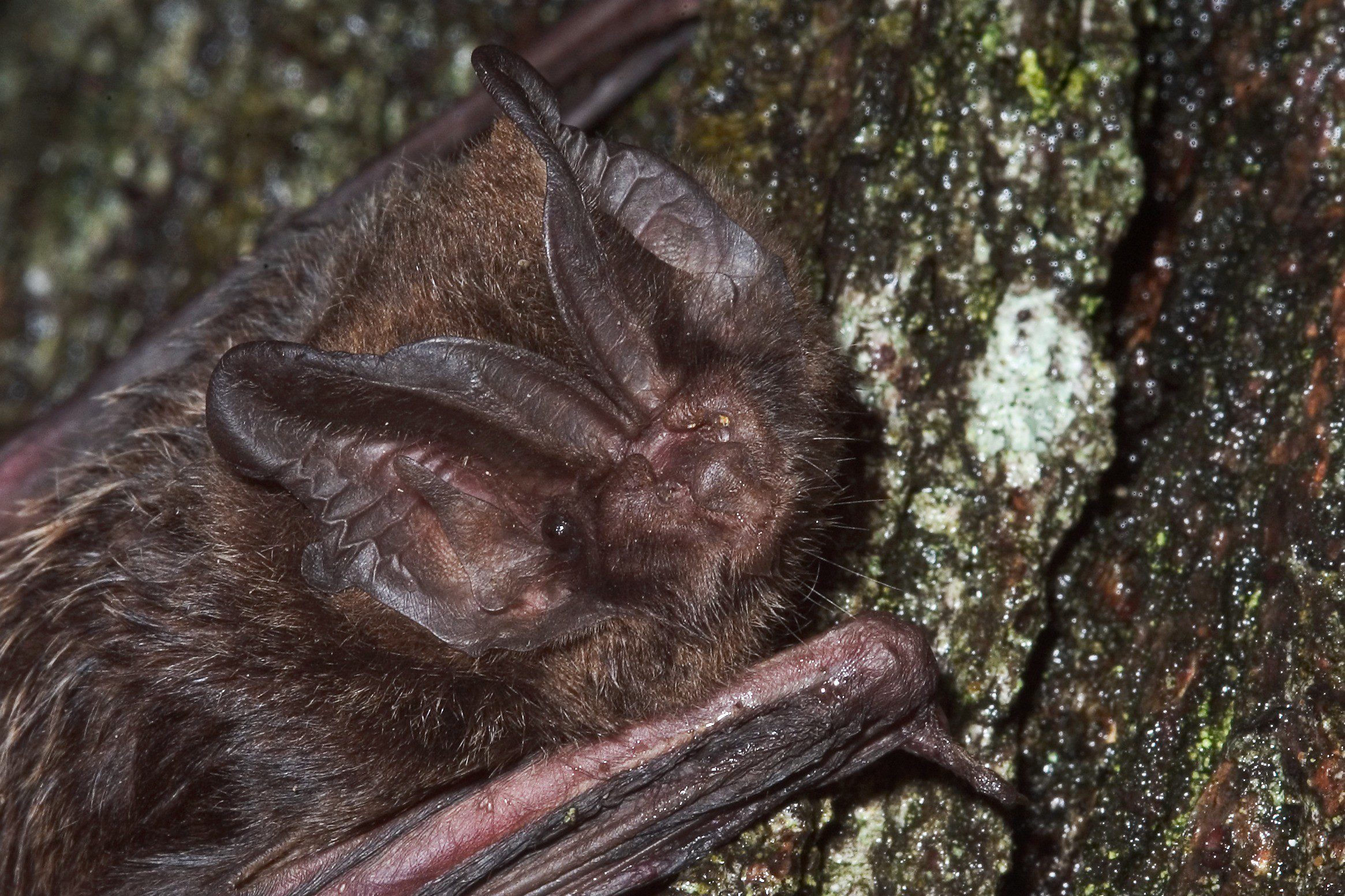
5. Western Barbastelle
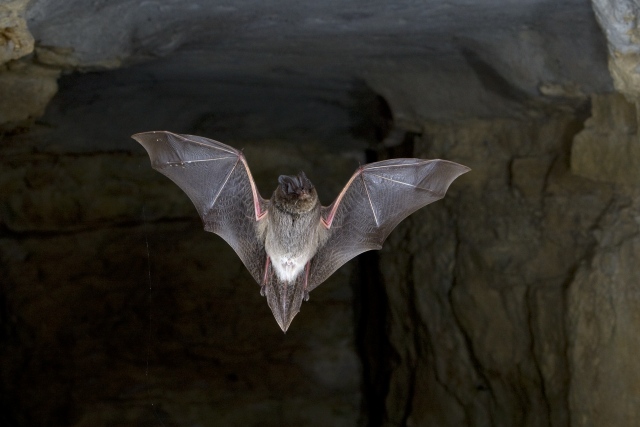
The western barbastelle is a rare and elusive bat species found in Belgium’s forests, caves, and old buildings. Known for its rounded ears and dark, velvety fur, this small bat is a skilled nocturnal hunter, primarily feeding on moths and other flying insects. As a keystone species, it helps maintain ecological balance by controlling insect populations. The western barbastelle is highly sensitive to environmental changes, and its presence often indicates healthy ecosystems. Due to habitat loss and human activity, it remains a conservation priority in Belgium.
Belgium’s diverse wildlife is a testament to the country’s rich natural heritage. From the elusive harbor porpoise to the industrious Eurasian beaver, each species plays a crucial role in maintaining the ecological balance. Protecting these animals and their habitats is essential for preserving Belgium’s biodiversity for future generations. Whether you’re a nature enthusiast or simply curious about the country’s fauna, these fascinating animals are a reminder of the importance of conservation efforts in safeguarding our natural world.