To Conserve or Cull? Life in Australia's Crocodile Capital
-
 Loading...
 - Max Schneider
- 06 Jan 2025
- 34 Views
- 0 Like
- 0 Comment
As dawn breaks over Darwin Harbour, government ranger Kelly Ewin finds herself balancing on a floating trap, preparing to catch and remove one of the region's most formidable residents: the saltwater crocodile. With heavy rain clouds looming overhead, the engine of the boat is cut, leaving only the intermittent splashing from inside the trap to break the silence. “You get pretty much zero chances with these guys,” Ewin remarks, as she attempts to loop a noose around the agitated reptile.
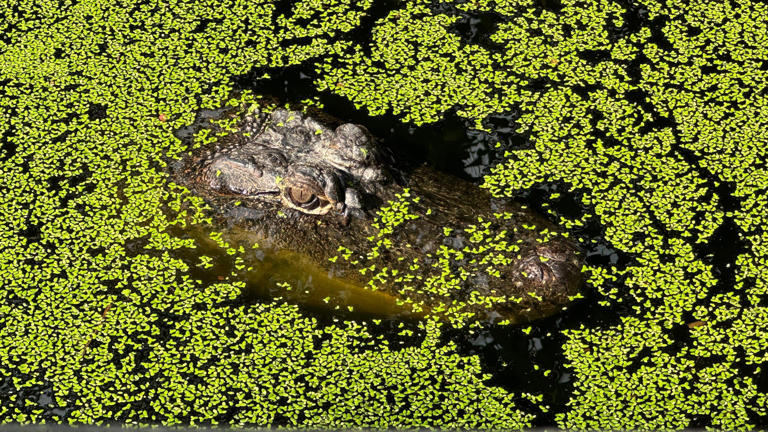
Australia's Northern Territory (NT) is home to an estimated 100,000 wild saltwater crocodiles, more than anywhere else in the world. The capital, Darwin, is a small coastal city surrounded by beaches and wetlands, and as locals quickly learn, where there is water, there are often crocs.
Saltwater crocodiles, affectionately known as "salties," were nearly hunted to extinction 50 years ago due to uncontrolled trade in their skins, which reduced their population to around 3,000. However, after hunting was banned in 1971, their numbers rebounded dramatically. Today, they are a protected species, but the rapid recovery has led to a new dilemma: how to manage their population to ensure public safety and maintain community support.
"The worst thing that can happen is when people turn against crocodiles," explains croc expert Prof. Grahame Webb. "Then a politician will invariably come along with some knee-jerk reaction to 'solve' the crocodile problem."
The NT's hot climate and abundant waterways create an ideal habitat for these cold-blooded predators. While fatal incidents involving crocodiles are rare, they do occur. Last year, a tragic incident resulted in the death of a 12-year-old girl, marking the first crocodile-related fatality in the NT since 2018.
As breeding season begins, Ewin and her team are busy checking 24 crocodile traps around Darwin. The crocodiles removed from the harbour are often euthanized, as releasing them elsewhere typically results in their return to the area. "It's our job to try and keep people as safe as we can," Ewin states, emphasizing the importance of reducing the risk of human-crocodile encounters.
Education plays a crucial role in public safety. The NT government runs a program called "Be Crocwise," which teaches residents how to behave responsibly around crocodile habitats. This initiative has gained international attention, with Florida and the Philippines looking to adopt similar programs.
Currently, mass culling of crocodiles is not an option due to their protected status. However, the government has approved a new 10-year crocodile management plan, increasing the annual quota of crocodiles that can be killed from 300 to 1,200. This plan aims to balance safety with conservation efforts.
Every crocodile-related death reignites the debate about living in close proximity to these apex predators. Following the recent tragedy, the then-leader of the NT, Eva Lawler, made it clear that she would not allow crocodiles to outnumber the human population, which currently stands at 250,000.
While crocodiles can be a source of controversy, they also attract tourists and generate significant economic activity. Tourists flock to the Adelaide River for "croc jumping" shows, where saltwater crocodiles leap out of the water for food. The crocodile farming industry has also flourished since hunting was banned, with an estimated 150,000 crocodiles now in captivity in the NT. Luxury brands like Louis Vuitton and Hermès have invested in this industry, further intertwining conservation with commerce.
Mick Burns, a prominent crocodile farmer, emphasizes the importance of commercial incentives in fostering tolerance for crocodiles. "The commercial incentives were effectively put in place to help people tolerate crocodiles," he explains, highlighting the need for a social license to utilize wildlife.
For Indigenous communities, crocodiles hold cultural significance that spans thousands of years. Traditional Owner Otto Bulmaniya Campion reflects on the historical relationship between his people and crocodiles, noting that they were once traded for essential goods. Today, partnerships between Aboriginal rangers and crocodile farmers aim to ensure that Indigenous communities benefit financially from the industry.
Despite the controversies surrounding crocodile management, many in Darwin recognize the necessity of balancing conservation with public safety. Prof. Webb, who bears the scars of a close encounter with a crocodile, advocates for a pragmatic approach to managing these predators. "We've done what very few people can do, which is take a very serious predator and manage them in such a way that the public is prepared to tolerate them," he asserts.
As the conversation around crocodile management continues, it is clear that the future of these apex predators in Australia will require a careful balance between conservation efforts and public safety. The ongoing challenge lies in finding effective strategies that allow for coexistence while addressing the legitimate concerns of local communities. With increasing awareness and education, as well as innovative management plans, there is hope for a future where both humans and crocodiles can thrive in harmony. The unique relationship between the people of the Northern Territory and these ancient reptiles will continue to evolve, reflecting the complexities of wildlife management in a modern world.