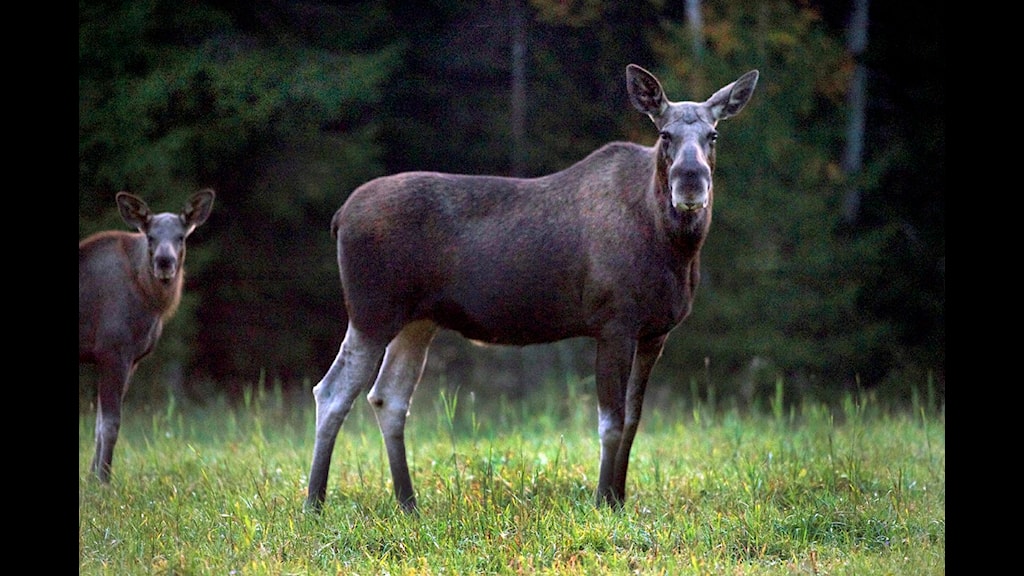
How Climate Change is Threatening Moose in Sweden
-
 Loading...
 - Nicholas Leos
- 02 Jan 2025
- 42 Views
- 0 Like
- 0 Comment
Climate change is increasingly impacting ecosystems around the world, and Sweden's moose population is no exception. As temperatures rise and weather patterns shift, the challenges faced by these iconic animals are becoming more pronounced, affecting their habitat, health, and overall survival.
1. Changing Habitat Conditions
Moose thrive in cold, temperate climates, and Sweden's forests provide an ideal environment for them. However, climate change is altering these habitats. Warmer temperatures can lead to changes in vegetation, with some plant species becoming less abundant while others, more suited to warmer climates, take their place. This shift can affect the availability of food sources for moose, which rely on specific types of foliage, bark, and shrubs for sustenance.
2. Increased Tick Populations
One of the most significant threats to moose in Sweden is the rise in tick populations, which is directly linked to warmer winters. Ticks thrive in milder conditions, and as temperatures rise, they are becoming more prevalent in moose habitats. These parasites can cause severe health issues for moose, including anemia and increased susceptibility to disease. The stress from tick infestations can also lead to lower reproductive rates and higher mortality, particularly among calves.
3. Altered Migration Patterns
As climate change affects seasonal weather patterns, moose may find their traditional migration routes and behaviors disrupted. Changes in snow cover and temperature can influence when and where moose move in search of food and mates. This can lead to increased competition for resources and may force moose into less suitable habitats, further stressing their populations.
4. Impact on Breeding and Calf Survival
Warmer temperatures can also affect the breeding cycles of moose. The timing of calving is crucial for the survival of calves, as they need to be born when food is plentiful and conditions are favorable. If climate change alters the timing of vegetation growth, it could lead to a mismatch between the birth of calves and the availability of food, resulting in higher mortality rates among young moose.
5. Increased Human-Wildlife Conflicts
As moose adapt to changing conditions, they may venture closer to human settlements in search of food. This can lead to increased encounters with vehicles, resulting in accidents and injuries. Additionally, as moose populations shift in response to climate change, they may compete more with livestock for resources, leading to conflicts with farmers and landowners.
The threats posed by climate change to Sweden's moose population are multifaceted, impacting their habitat, health, and behavior. As temperatures continue to rise and weather patterns become more unpredictable, it is crucial for conservation efforts to address these challenges. Protecting moose habitats, monitoring tick populations, and promoting sustainable land use practices will be essential in ensuring the survival of these majestic animals in a changing climate. As Sweden navigates the complexities of climate change, the fate of its moose population serves as a poignant reminder of the broader impacts of environmental shifts on wildlife.