Berlin votes on climate neutrality by 2030
-
 Loading...
 - Ignacio Cervantes
- 24 Mar 2023
- 61 Views
- 0 Like
- 0 Comment
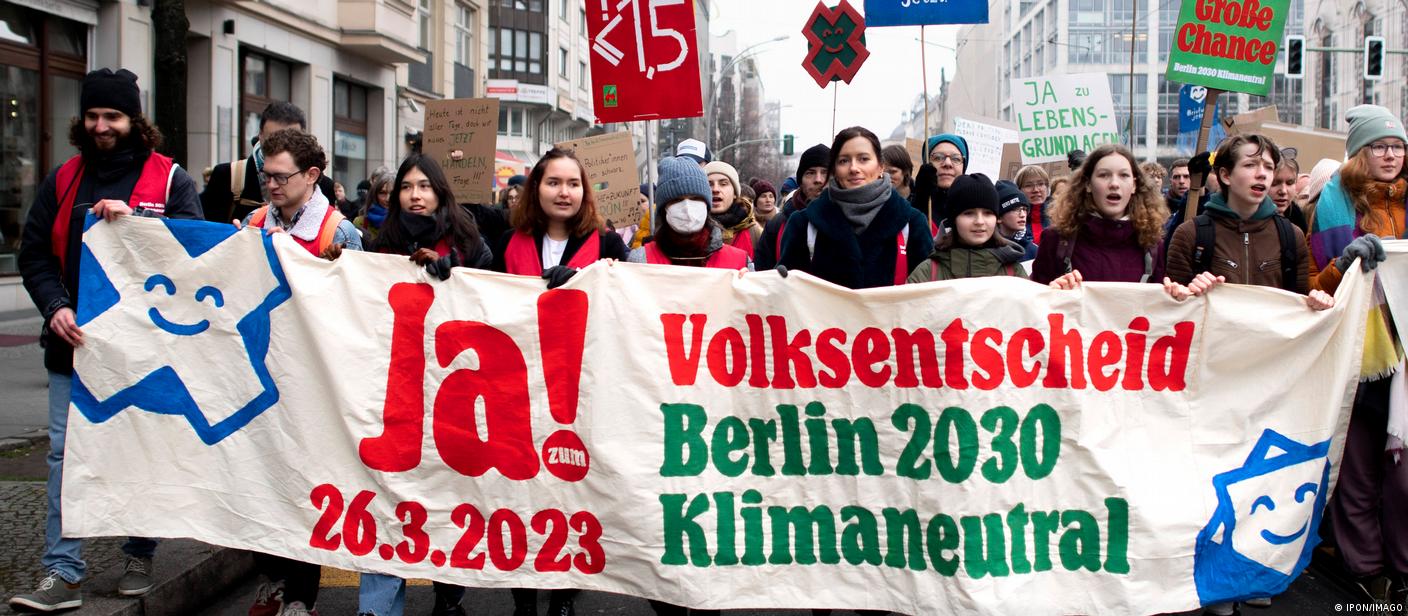
Berliners will go to the polls yet again on Sunday to vote in a referendum to make the German capital climate neutral 15 years earlier than planned. Critics deride the proposal as too costly and completely unrealistic.
This Sunday, Berliners will vote in a referendum on whether to make the capital climate-neutral by 2030, bringing the current official target of 2045 forward by 15 years. About 2.4 million Berliners aged 18 or over will be eligible to vote. For the amendment to pass, at least 25% (roughly 613,000 eligible voters) will need to vote in favor.
Berlin, like Germany as a whole, currently aims for a 95% reduction in net carbon dioxide emissions by 2045, compared with 1990 levels. But climate scientists and activists say this does not go far enough, not least because Germany will have already exceeded its carbon budget for a pathway to limiting global warming to 1.5 degrees Celsius by 2031.
According to the initiator of the referendum, a group called Klimaneustart Berlin (Climate Reset Berlin), the target, which was introduced in accordance with the Paris Climate Agreement of 2015, needs to be brought forward. With the referendum, Klimaneustart is seeking to make that legally binding for Berlin's government.
Klimaneustart is asking voters to approve a pre-drafted amendment to the existing energy transition law. If passed, it would take immediate effect and require action by the municipal government. A failure to meet the goals could then result in legal repercussions and financial penalties for Berlin's state government.

"We wanted to minimize the chances that empty promises could continue to be made, so that just gives us more options to apply pressure on politicians to really hit the 2030 mark," Jessamine Davis, an activist from Klimaneustart Berlin, told DW. "Berlin declared a climate emergency and is not acting accordingly at the moment. There's no sign that emergency behavior is being implemented."
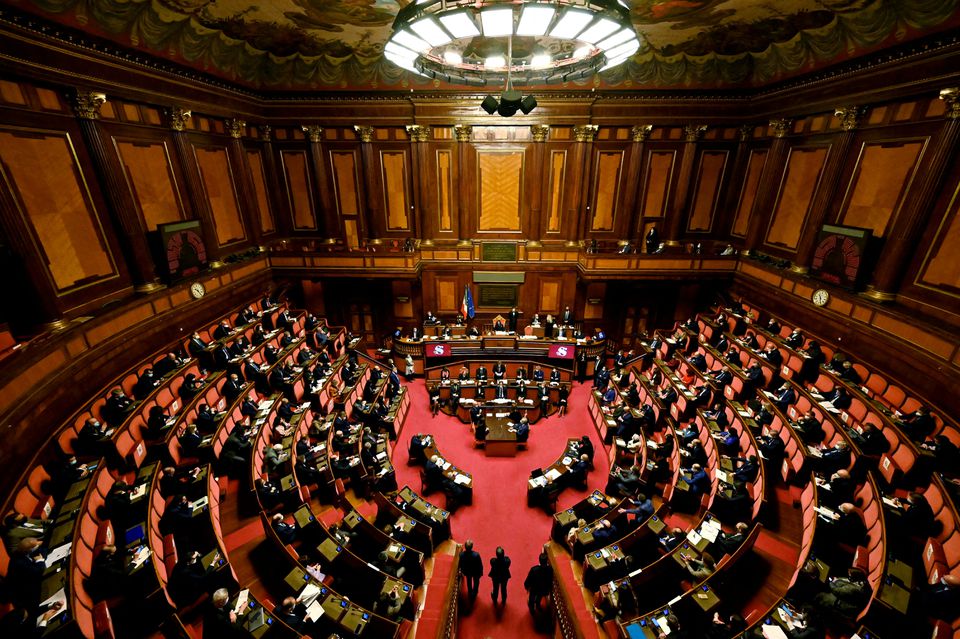
Lack of political support
At least 80% of Berlin's energy comes from fossil fuel sources. Few lawmakers in Berlin's state parliament, the Senate, believe seven years is enough to make the transition to renewable energy complete and are concerned about the short-term costs this would incur. Read More…