President Karis Approves Removal of Third-Country Nationals' Voting Rights in Estonia
-
 Loading...
 - Giorgia Parisi
- 10 Apr 2025
- 33 Views
- 0 Like
- 0 Comment
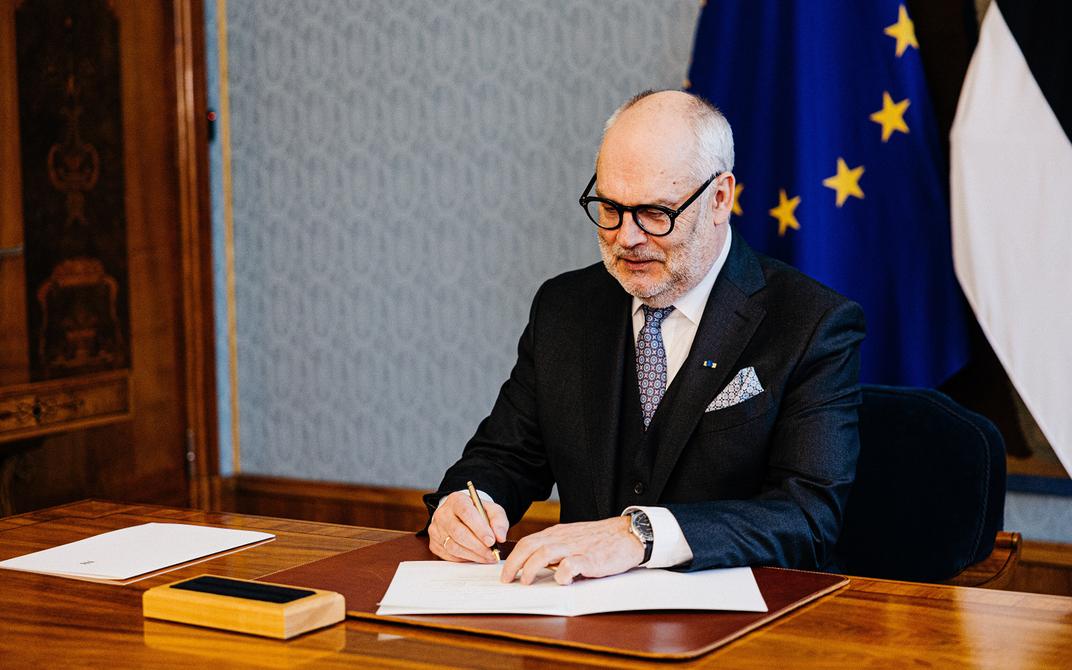
On Wednesday, President Alar Karis signed a constitutional amendment that revokes the right to vote in local elections for all third-country nationals residing in Estonia. The decision, which has sparked significant discussion, was made in light of the changing security situation and concerns regarding potential threats posed by Russian and Belarusian citizens during the upcoming local elections in October.
The amendment, which passed almost unanimously in a Riigikogu vote on March 27, includes an exemption for stateless persons, also known as gray passport holders, allowing them to vote in the upcoming local elections but not in future municipal elections. President Karis emphasized the need for thorough analysis of the implications of this change, expressing concern that the Riigikogu must ensure no negative repercussions arise from the decision.
In his statement accompanying the assent, President Karis highlighted the serious consequences of amending the Constitution and the importance of safeguarding both internal and external peace. He stated, "Certainly members of the Riigikogu understand that by amending the Constitution, they made a decision with weighty consequences."
The amendment means that only Estonian citizens and EU nationals will be allowed to vote in European and local elections in Estonia. Voting in Riigikogu elections will remain exclusive to Estonian citizens. The "sunset clause" for gray passport holders is intended to encourage these individuals to pursue Estonian citizenship before the next local elections in 2029.
The vote on March 27 saw 93 members in favor, seven against, and one abstention. This amendment marks the first change to the current Constitution since it was drafted in 1992 and is considered an urgent measure, one of only three ways the Constitution can be amended.
President Karis expressed hope that the Riigikogu would take steps to ensure that those who lost their voting rights do not feel excluded from social life or perceive themselves as security threats. He stressed that defending internal peace cannot be merely a slogan and that the potential societal impacts of such decisions must be carefully considered.
The president's statement concluded with a call for the Riigikogu to keep the path to Estonian citizenship open for those who have lived in the country for a long time and demonstrated loyalty to Estonia, even if their home countries restrict their ability to choose citizenship freely.
The upcoming local election polling day is set for Sunday, October 19. The amendment has significant implications for the political landscape in Estonia, particularly for third-country nationals who have previously participated in local governance. Notably, U.K. citizens residing in Estonia would have retained their voting rights in local elections had Brexit not occurred, resulting in them losing the vote in Estonia twice in less than a decade.
As Estonia navigates these changes, the focus will be on maintaining social cohesion and ensuring that all residents feel included in the democratic process.