Best Japanese books for kids
-
 Loading...
 - Himari Saito
- 13 Jun 2022
- 288 Views
- 0 Like
- 0 Comment
Which Japanese book for kids is best?
If you’re thinking about teaching your child a foreign language, Japanese is an excellent choice. Not only is it becoming a very popular global language, but Japan’s rich history and culture are also sure to entice and inspire any learner. Japanese is also a very common language in today’s modern media with the spreading popularity of Japanese animation (anime) and Japanese comics (manga).
The top pick, My First Book of Japanese Words: An ABC Rhyming Book of Japanese Language and Culture, is a great children’s book that teaches Japanese words and culture through engaging rhymes, beautifully drawn illustrations and a bilingual mix of English and Japanese.
What to know before you buy a Japanese book for kids
Japanese children’s books vs. instructional Japanese books for kids
Japanese children’s books that are written specifically for native Japanese speakers are a great resource for your child to learn the language, especially considering that kids are more receptive to foreign languages when they are younger. However, because Japanese uses a different writing system than English, your child will need some prior Japanese instruction before they can start reading native material.
Instructional Japanese books for kids could be a very helpful way to introduce your child to the Japanese language, especially if your family does not have access to native Japanese speakers. Instructional Japanese books are likely to start children off with the basics of the writing system in addition to teaching some vocabulary and grammar.
What your child needs to know in order to read in Japanese
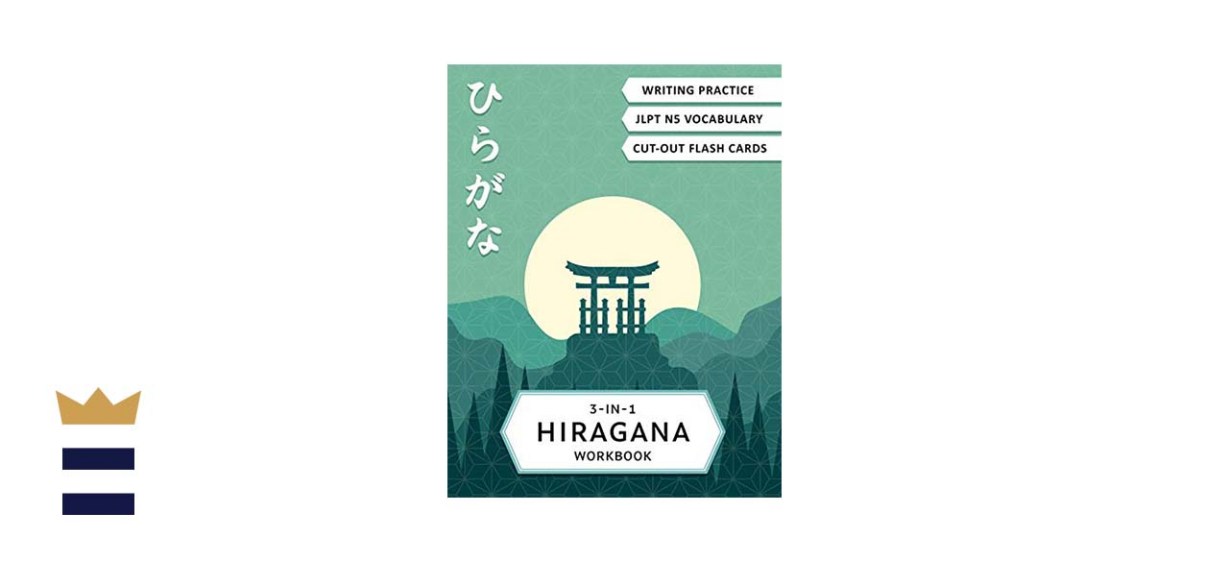
Because Japanese uses a different writing system than English, your child will need to first learn how to read the Japanese script before they can start consuming native children’s books.
Japanese uses three different scripts for writing: kanji (Chinese characters), hiragana and katakana. Most native material that is written for children will be written in hiragana, which is the easiest of the three scripts to learn. Have your child learn hiragana with the help of a hiragana workbook designed for kids.
Japanese also has a fourth, less common writing system that uses the Roman alphabet called romaji. Some Japanese books will include romaji alongside the hiragana, which will help your child to learn Japanese pronunciation and phonetics.
Why teach your child Japanese
Japanese has about 126 million native speakers, and about 10% of internet users use Japanese. It’s a global language and one with a rich history. Learning Japanese can also set your child up for success in their future career, as a lot of businesses work with Japanese people. All of this aside, Japanese is a great language for kids to learn due to the availability of Japanese media all around the world.
What to look for in a quality Japanese book for kids
Hiragana, romaji and English
When looking for a Japanese book for your kid, one thing that you’ll want to look for is a book that includes hiragana, romaji and even some English. Bilingual editions of Japanese children’s books are great as they enable children to experience the language without fear of not understanding native Japanese.
Having romaji alongside the hiragana is also a great feature, as your kid will be able to learn how to read hiragana with the romaji serving as a phonetic guide. This is especially useful for families that do not speak Japanese at home.
Focus on specific grammar concepts or vocabulary sets
As with any children’s book, it’s important that the book focuses on one or a few key grammar concepts or vocabulary sets. An example of a vocabulary set could be “food,” “colors” or “sports.”
Engaging and easy to understand
It’s especially important for Japanese books for kids to be engaging and easy to understand due to the difficulty of learning Japanese as a native English speaker. Most kids will not have a problem intuitively learning the language through immersion and exposure, but parents will want a book that is also easy to explain and talk about with their kids. Read More...