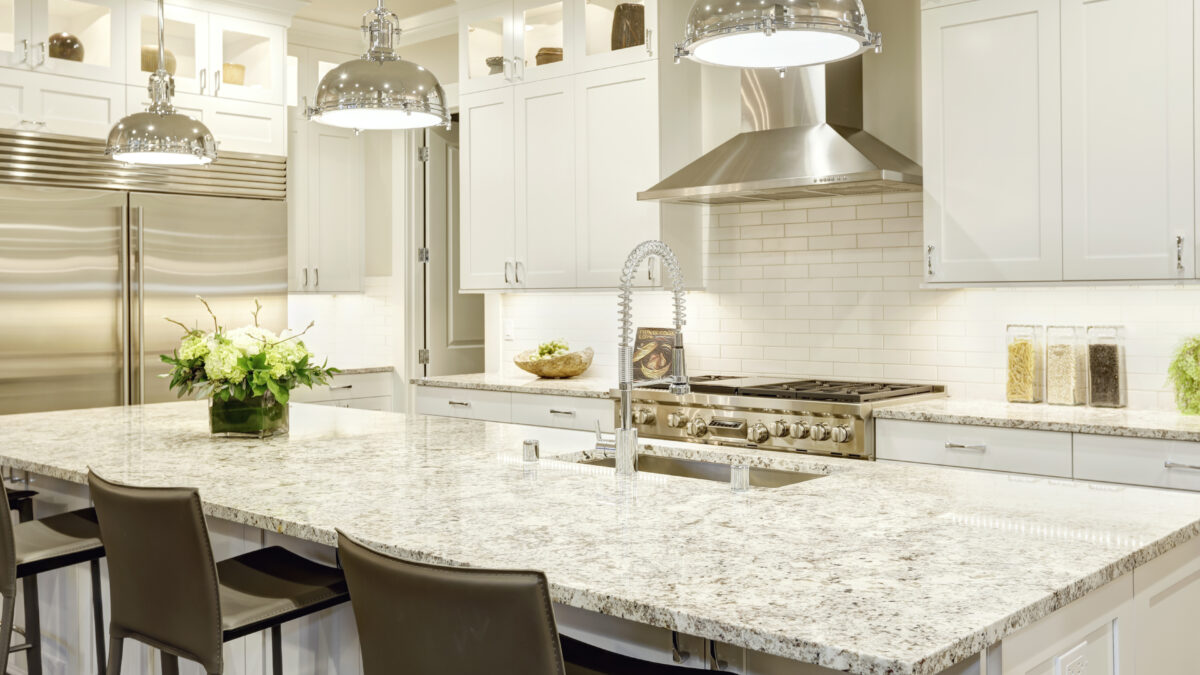
Best Types of Kitchen Countertops
-
 Loading...
 - Gabriel Fortin
- 12 Aug 2024
- 55 Views
- 0 Like
- 0 Comment
When it comes to designing or renovating a kitchen, one of the most crucial decisions homeowners face is choosing the right countertop material. With numerous options available, each with its unique characteristics, advantages, and disadvantages, selecting the perfect countertop can be overwhelming. In this article, we will delve into the various types of kitchen countertops, exploring their features, benefits, and drawbacks to help you make an informed decision.

Laminate Countertops
Laminate countertops are made from sheets of plastic laminate bonded to a particleboard core. They come in a variety of styles and colors, making them a popular choice for budget-conscious homeowners. However, their composition makes them susceptible to damage, such as warping, bubbling, scratches, or splitting, which can be costly and difficult to repair.

Quartz Countertops
Quartz countertops are a mixture of natural quartz and resin, making them extremely durable and resistant to stains and bacteria. They are available in a range of colors and feature subtle veins and patterns, mimicking natural stone. While quartz countertops are heat-resistant, they can be damaged by excessive heat, causing permanent discoloration, white spots, and damage to the surface.
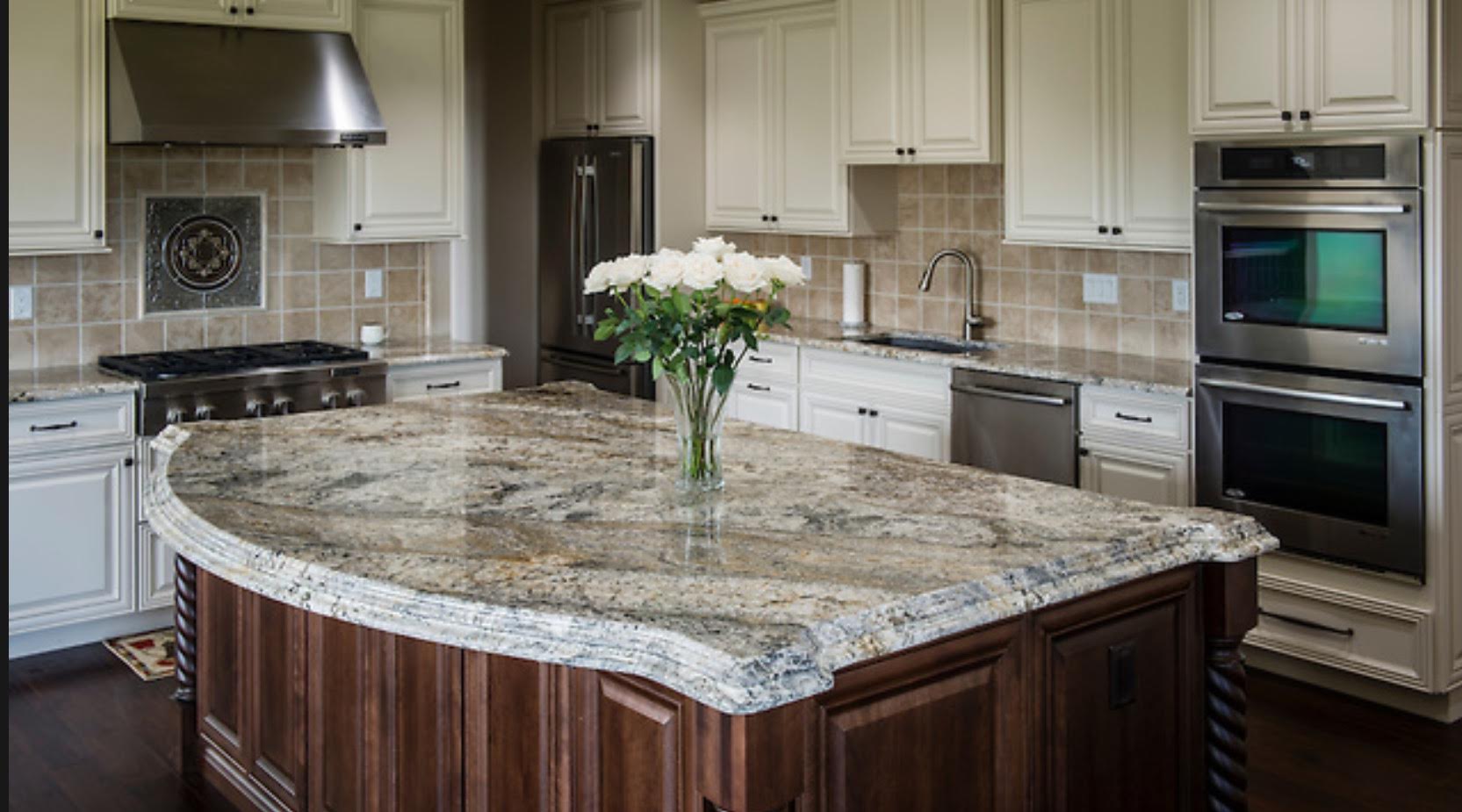
Granite Countertops
Granite countertops are known for their natural beauty and durability. This natural stone is available in a variety of colors and features a unique design, making each slab one-of-a-kind. Granite is heat-resistant and can withstand scratches, but it requires periodic sealing to prevent bacteria and stains from penetrating the surface.

Marble Countertops
Marble countertops add timeless elegance to a kitchen. As a natural stone, marble is durable and heat-resistant, but it etches and stains easily. Its polished finish can be compromised by common kitchen staples like lemon juice or tomatoes. Chips and cracks are also common, but they can be repaired with an epoxy or polyester resin.
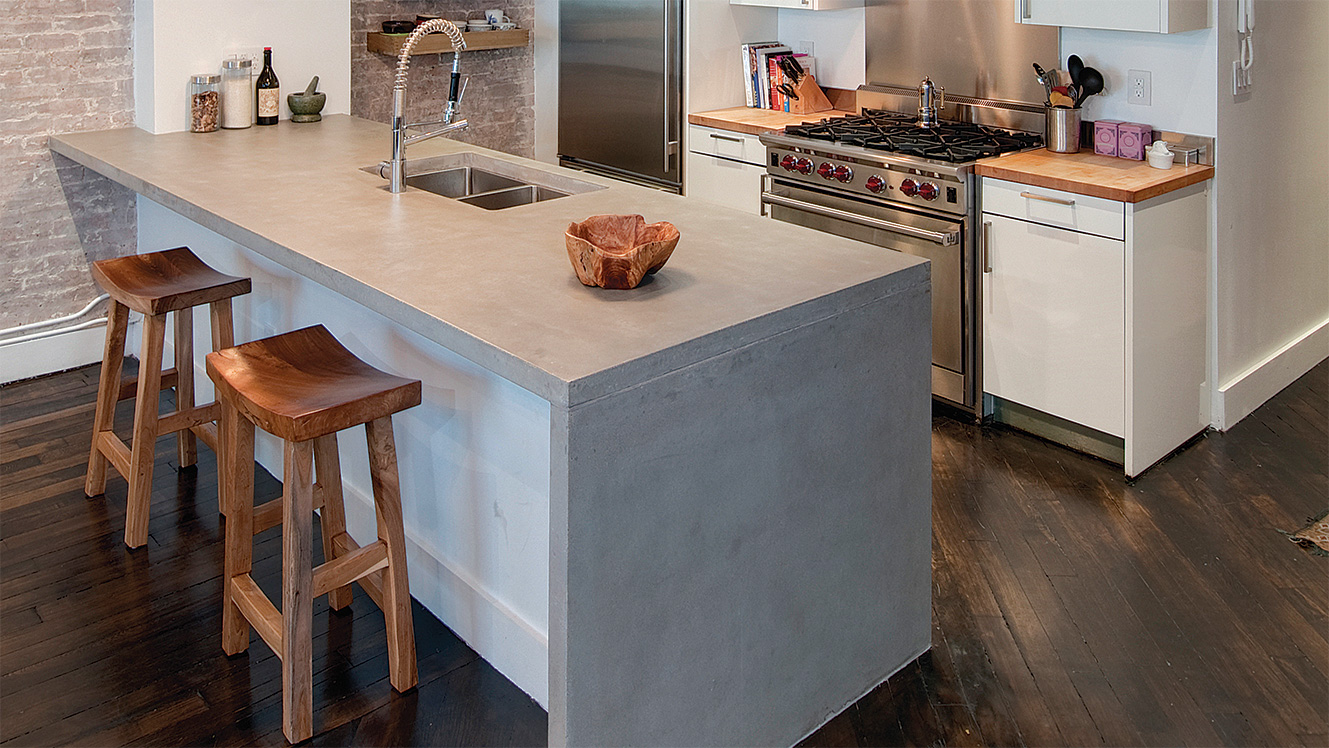
Concrete Countertops
Concrete countertops offer a unique, custom installation for kitchens. They are scratch-resistant, heat-resistant, and can be custom-colored and textured. However, concrete countertops are porous, making them susceptible to staining, moisture damage, mold, and bacteria unless regularly sealed.
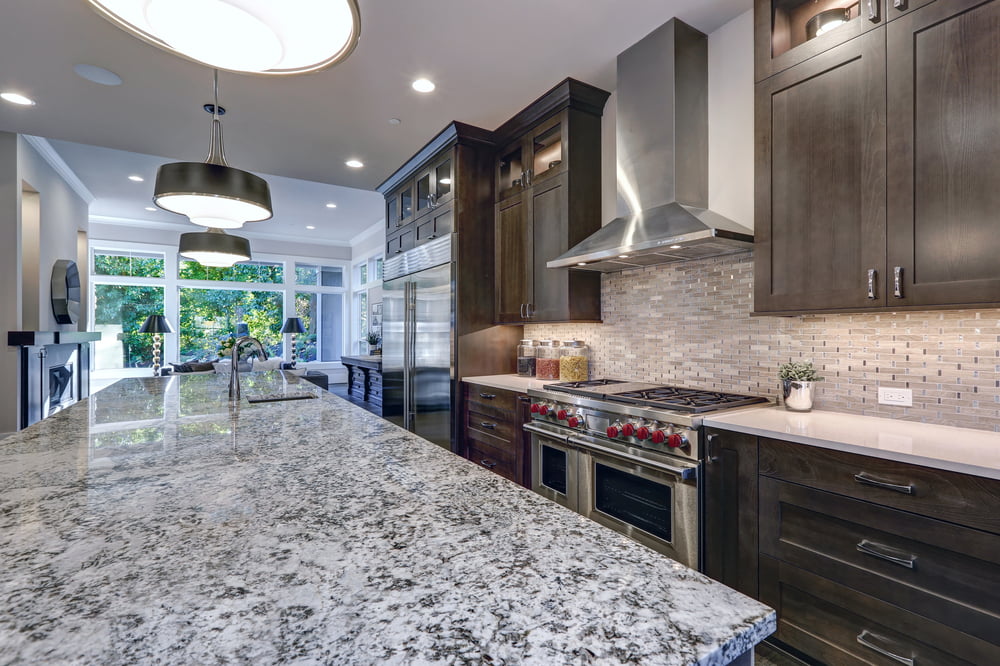
Solid Surfacing Countertops
Solid surfacing countertops are made from a combination of resin and minerals, making them durable and resistant to stains and bacteria. They are available in a range of colors and patterns, mimicking natural stone. Solid surfacing countertops are easy to maintain and can be repaired if damaged.
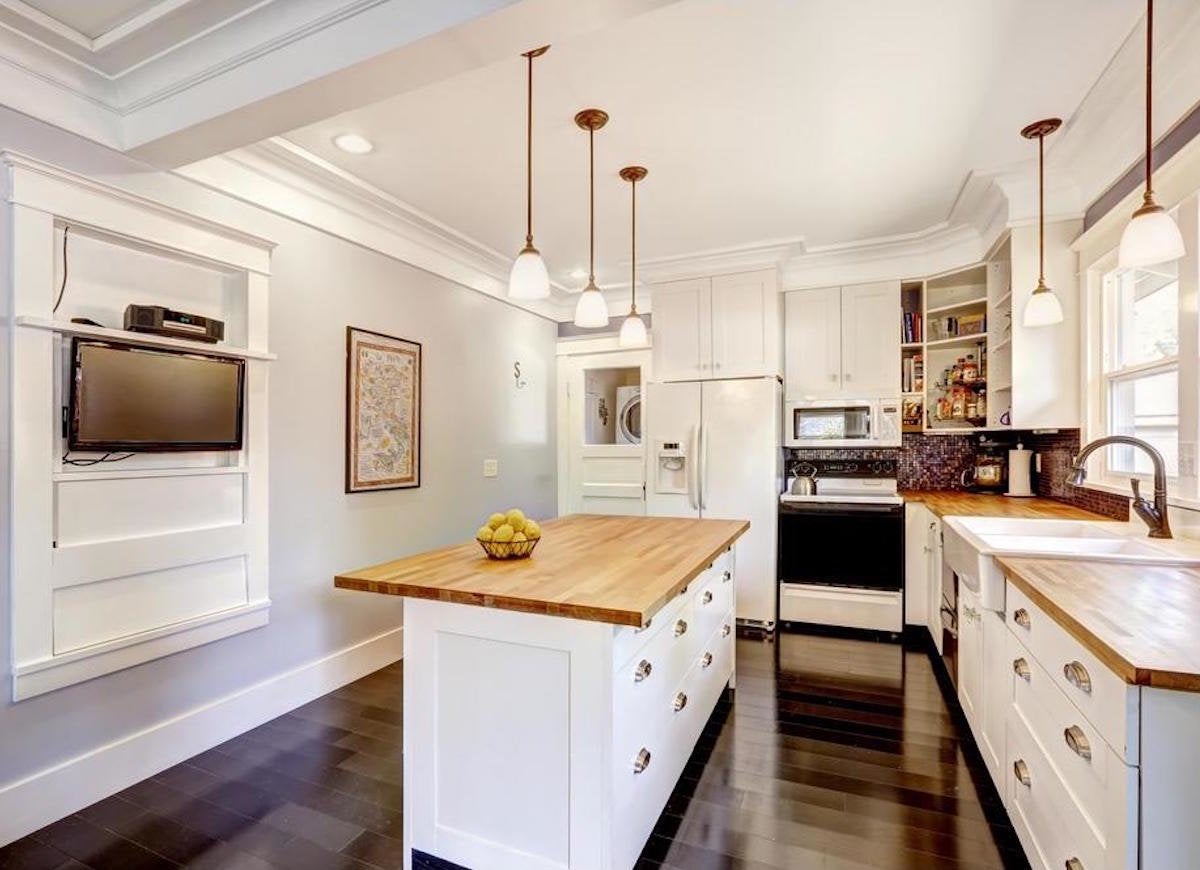
Wood Countertops
Wood countertops add warmth and character to a kitchen. They are available in various species, such as maple, cherry, and walnut, and can be stained or painted to match any kitchen style. However, wood countertops are prone to scratches, cracks, and water damage, requiring regular maintenance and sealing.
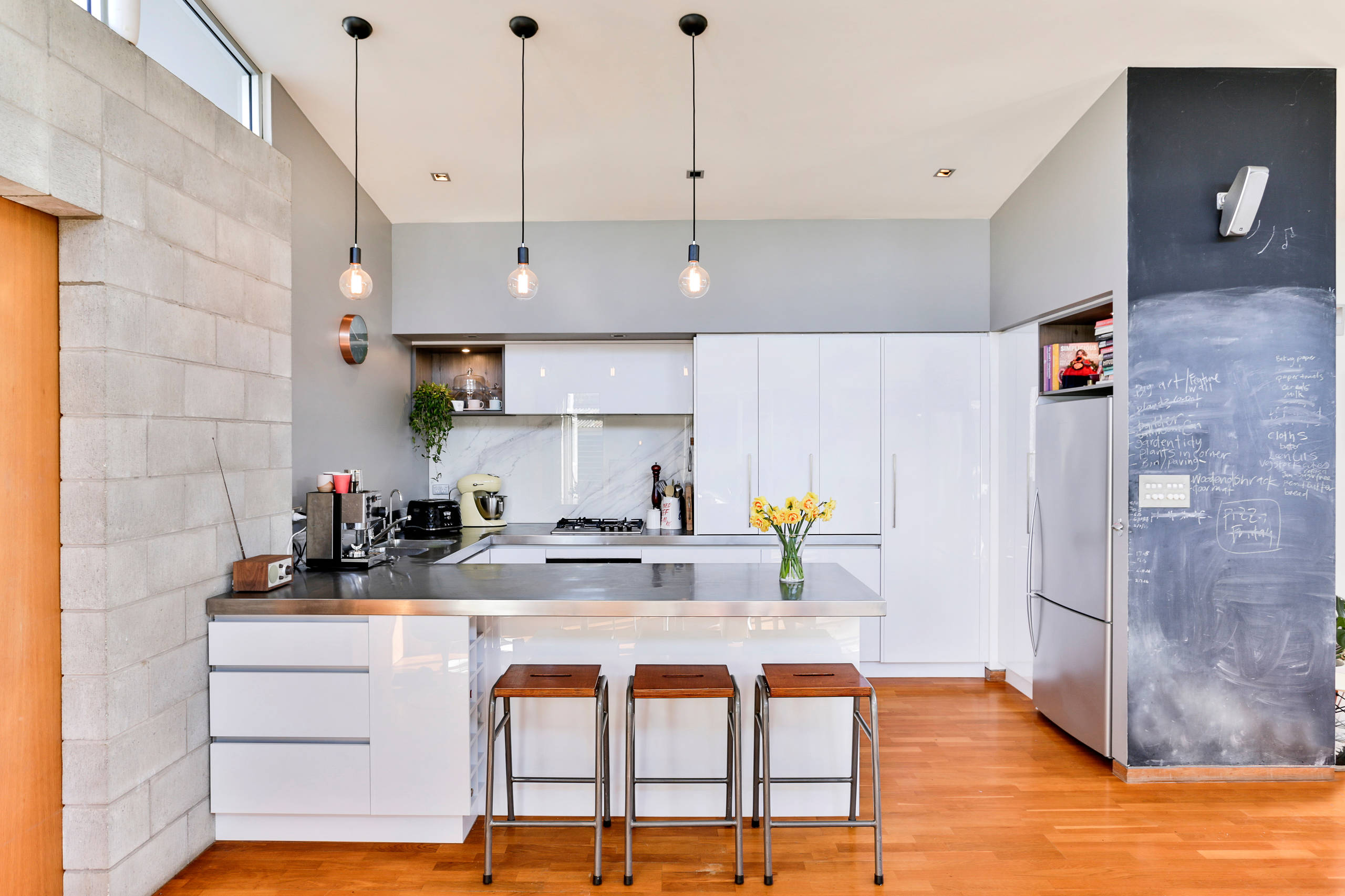
Stainless Steel Countertops
Stainless steel countertops are durable, resistant to scratches and heat, and easy to clean. They are ideal for commercial kitchens or homes with high-traffic kitchens. However, stainless steel countertops can be noisy, show fingerprints, and may not be suitable for homes with a traditional or rustic kitchen style.
In conclusion, choosing the right kitchen countertop material depends on your lifestyle, budget, and personal preferences. By understanding the characteristics, advantages, and disadvantages of each type of countertop, you can make an informed decision that meets your needs and enhances the beauty and functionality of your kitchen.


