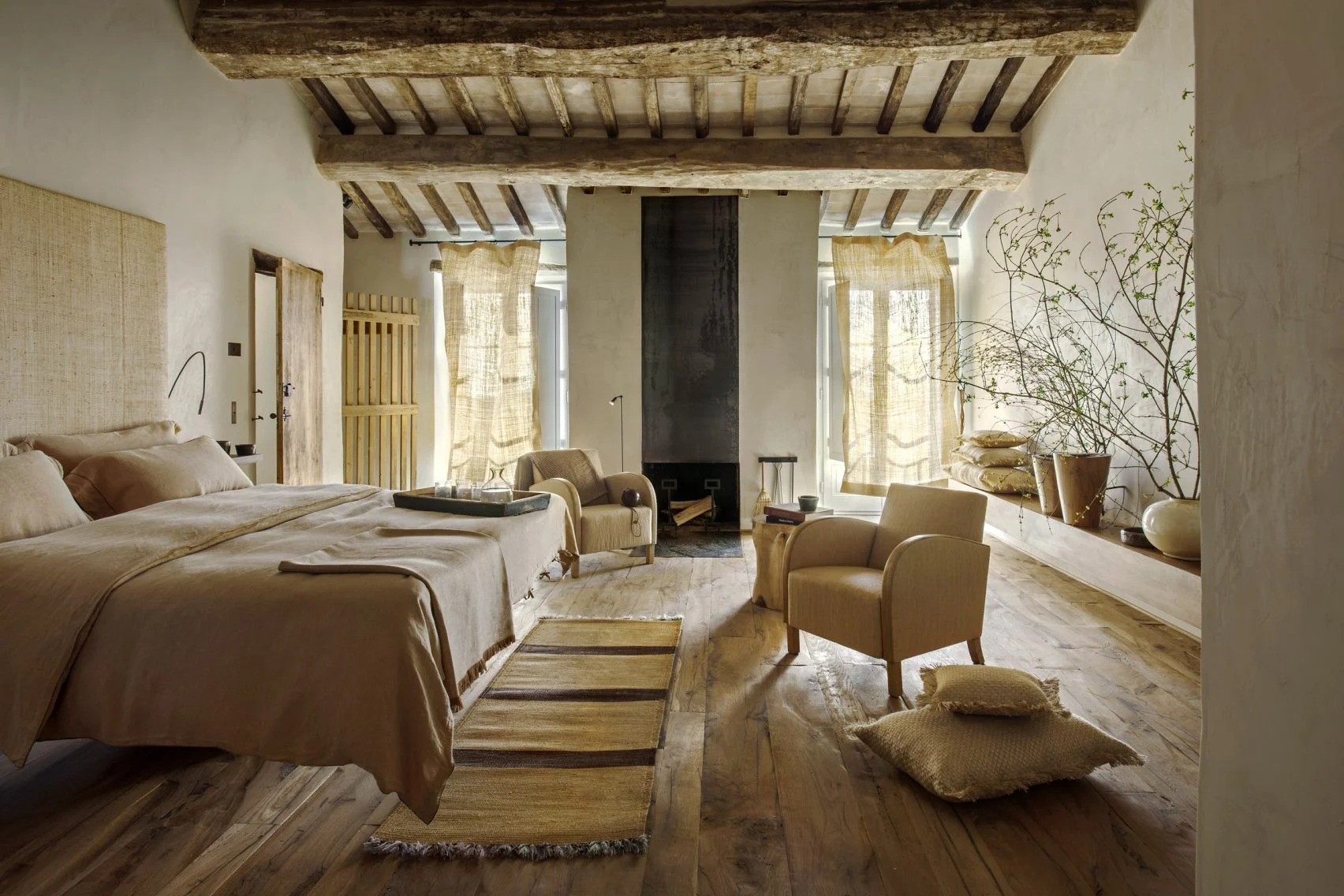
Five Rustic Italian Interiors That Evoke the History of the Mediterranean
-
 Loading...
 - Martina Biondi
- 12 Aug 2024
- 50 Views
- 0 Like
- 0 Comment
The Mediterranean region is renowned for its rich history, stunning landscapes, and a unique architectural style that reflects centuries of cultural influences. In Italy, this heritage is beautifully captured in rustic interiors that combine traditional craftsmanship, natural materials, and timeless design. These interiors evoke the warmth and charm of Mediterranean living, offering a serene and inviting atmosphere. In this article, we explore five rustic Italian interiors that transport you to the heart of the Mediterranean, each telling a story of Italy's past and its enduring love for beauty and simplicity.
1. Stone Farmhouse in Tuscany
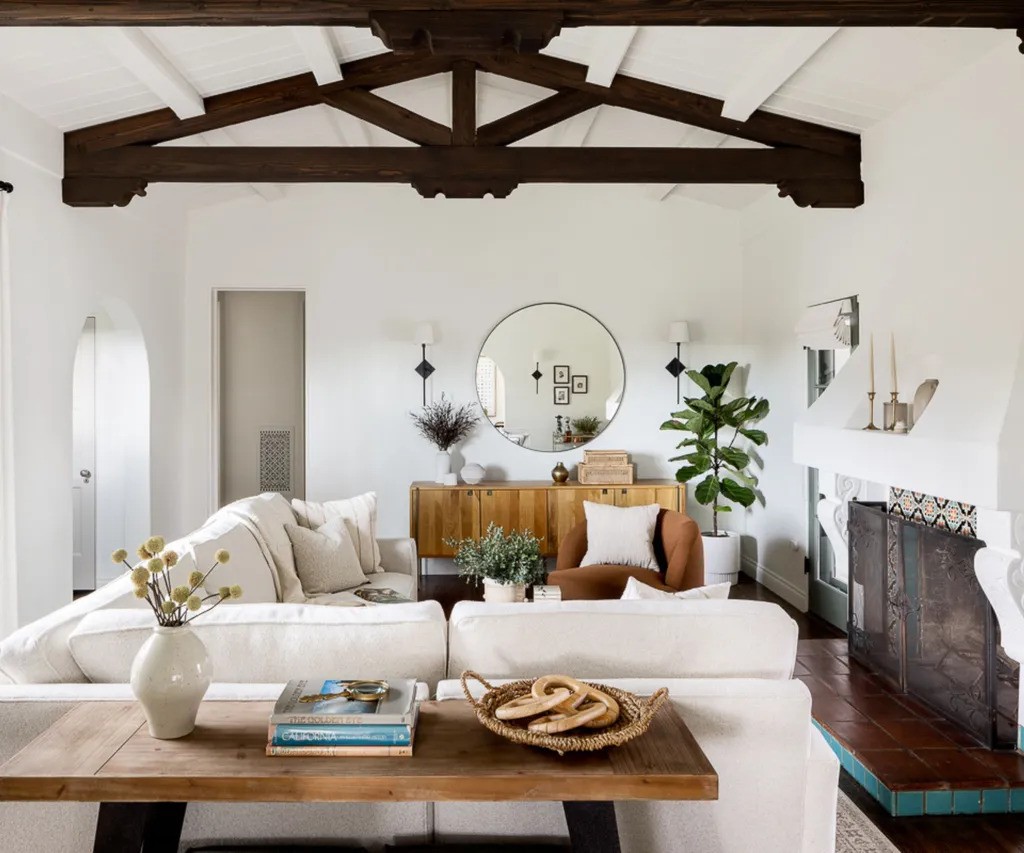
Tuscany is synonymous with rolling hills, vineyards, and charming stone farmhouses that exude rustic elegance. A quintessential Tuscan interior features exposed stone walls, terracotta floors, and wooden beams that create a warm, earthy ambiance. The use of local materials like travertine and reclaimed wood adds authenticity, while simple, handcrafted furniture enhances the rustic charm. A large stone fireplace often serves as the focal point, inviting cozy gatherings and reflecting the region’s history of communal living.
Key Elements:
- Exposed Stone Walls: Highlight the natural beauty and texture of local stone.
- Terracotta Floors: Traditional flooring that adds warmth and durability.
- Wooden Beams: Rustic wooden beams provide structural support and aesthetic appeal.
- Handcrafted Furniture: Simple yet elegant pieces that reflect local craftsmanship.
2. Venetian Palazzo Apartment
Venice is a city steeped in history, and its interiors often blend opulent details with rustic charm. A Venetian palazzo apartment might feature high ceilings adorned with frescoes, aged parquet floors, and antique chandeliers. The rustic elements come into play with worn plaster walls, vintage tapestries, and artisanal glasswork. The combination of grandeur and patina creates an interior that feels both regal and lived-in, echoing the city’s rich past.
Key Elements:
- Frescoed Ceilings: Artistic details that add historical significance.
- Aged Parquet Floors: Elegant wooden flooring that has aged gracefully over time.
- Worn Plaster Walls: Walls with a weathered look that adds character and depth.
- Artisanal Glasswork: Handcrafted glass pieces that reflect Venice’s storied glassmaking tradition.
3. Puglia’s Masseria Retreat
In the sun-drenched region of Puglia, the masseria (a traditional farmhouse) offers a rustic retreat that embodies the simplicity and beauty of Mediterranean life. Interiors typically feature whitewashed stone walls, vaulted ceilings, and minimalistic decor that highlights the natural surroundings. The use of local materials like limestone and olive wood, combined with handwoven textiles and artisanal ceramics, creates a soothing and harmonious environment. Outdoor living spaces, with stone courtyards and shaded pergolas, seamlessly blend the indoors with the natural landscape.
Key Elements:
- Whitewashed Stone Walls: Reflects the region’s hot climate and creates a bright, airy space.
- Vaulted Ceilings: Adds architectural interest and a sense of openness.
- Limestone and Olive Wood: Local materials that connect the interior to the surrounding landscape.
- Artisanal Ceramics: Handcrafted items that add a touch of local artistry.
4. Sicilian Villa with Moorish Influence
Sicily’s history as a cultural crossroads is reflected in its unique interior style, where rustic Italian elements meet Moorish influences. A Sicilian villa might feature bold geometric tiles, arched doorways, and intricate wrought ironwork. The rustic charm is evident in the use of natural stone, warm earthy colors, and simple wooden furniture. The blend of Italian and Moorish design creates an exotic yet grounded interior, where every element tells a story of the island’s diverse heritage.
Key Elements:
- Geometric Tiles: Vibrant, patterned tiles that add color and cultural flair.
- Arched Doorways: Architectural features that reflect Moorish influence.
- Wrought Ironwork: Handcrafted metal details that add elegance and texture.
- Warm Earthy Colors: A color palette inspired by the Mediterranean landscape.
5. Umbria’s Countryside Cottage
Nestled in the heart of Italy, Umbria’s countryside cottages offer a rustic escape that feels timeless and serene. These interiors are characterized by rough-hewn wooden beams, stone fireplaces, and rustic plaster walls. The decor often includes antique furnishings, handwoven rugs, and pottery that showcase the region’s artisanal traditions. Large windows and open spaces invite natural light, creating a cozy and inviting atmosphere that celebrates the beauty of simplicity.
Key Elements:
- Rough-Hewn Wooden Beams: Adds a natural, rustic touch to the interior.
- Stone Fireplaces: Central features that provide warmth and a sense of tradition.
- Rustic Plaster Walls: Walls with a textured finish that adds depth and character.
- Antique Furnishings: Pieces with a history that add a sense of continuity and charm.
Rustic Italian interiors are more than just a design choice; they are a reflection of the country’s rich history, cultural diversity, and love for artisanal craftsmanship. Each of these five interiors captures a unique aspect of Mediterranean life, offering a glimpse into the timeless beauty of Italy's architectural heritage. Whether it’s the stone farmhouses of Tuscany or the Moorish-influenced villas of Sicily, these spaces evoke a sense of history and place, making them not only beautiful but also deeply meaningful.