Bey's Palace: Spellbinding Ottoman heritage in Algeria
-
 Loading...
 - Ajay Bhatt
- 04 Aug 2022
- 88 Views
- 0 Like
- 0 Comment
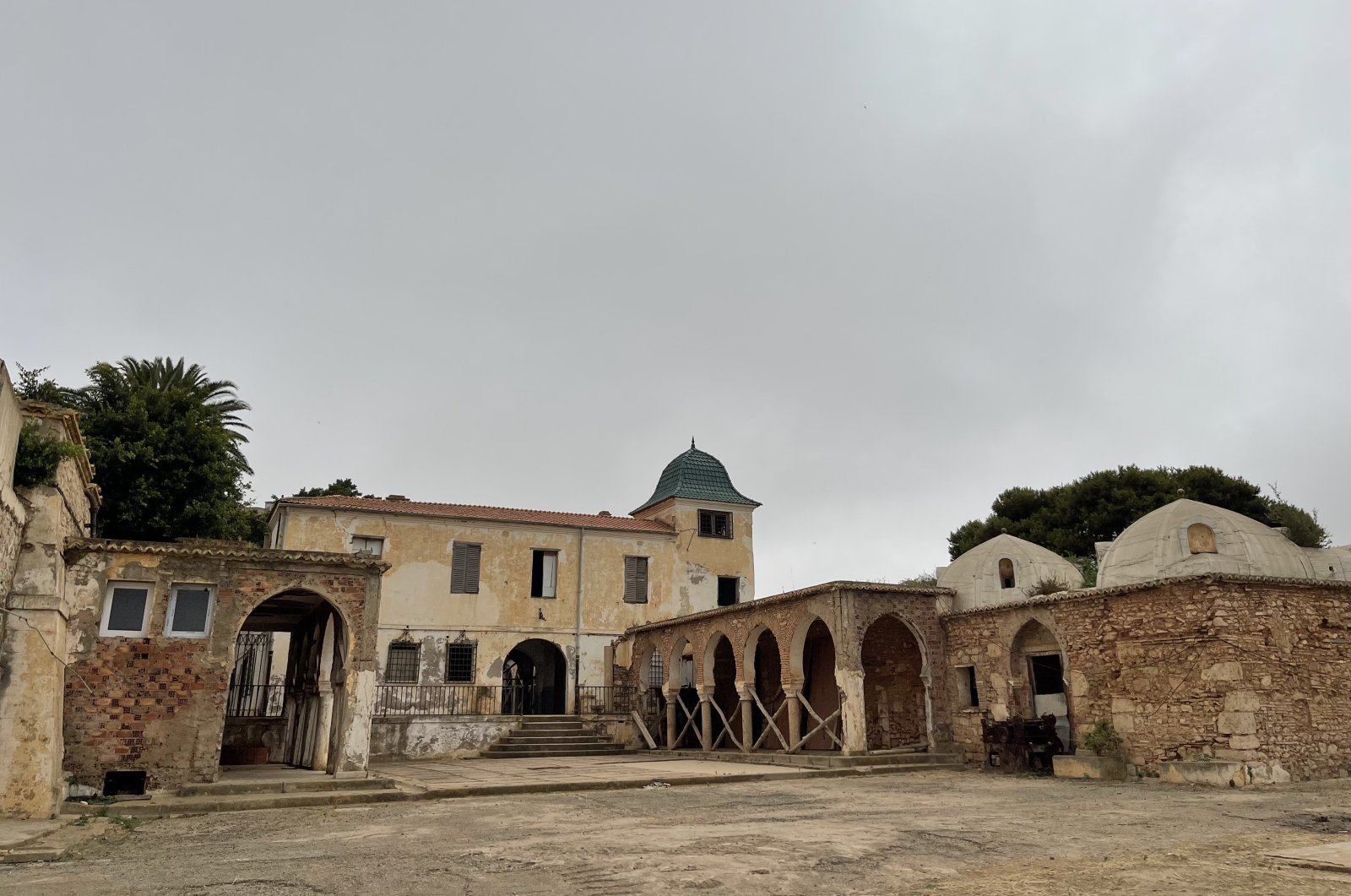
he Ottoman heritage Bey's Palace in Algeria's northwestern province of Oran welcomes visitors as an important historical monument that has a place in the memory of Algerians.
The city of Oran, where the 19th Mediterranean Games were held this year, stands out with historical artifacts and structures from the Ottoman Empire. Located in the south of the Mediterranean, at the point where Algeria is closest to Spain, the city was once dominated by the Spanish. Ottoman Grand Adm. Piyale Pasha surrounded Oran between 1556 and 1563, and after a war with the Spanish, the Ottoman navy, under the command of YusufoÄŸlu Mustafa Bey, conquered the city in 1708.
Even though it was taken back by the Spanish in 1732, Oran was recaptured by the Ottomans on Sept. 12, 1792. Thus, Oran was once again ruled by the Muslims, as the most important city in the west of the Algerian BeylerbeliÄŸi (Governorship) of the Ottoman Empire. The city fell out of the dominance of the Ottoman Empire in the 1830s, when the French colonialism of Algeria began.
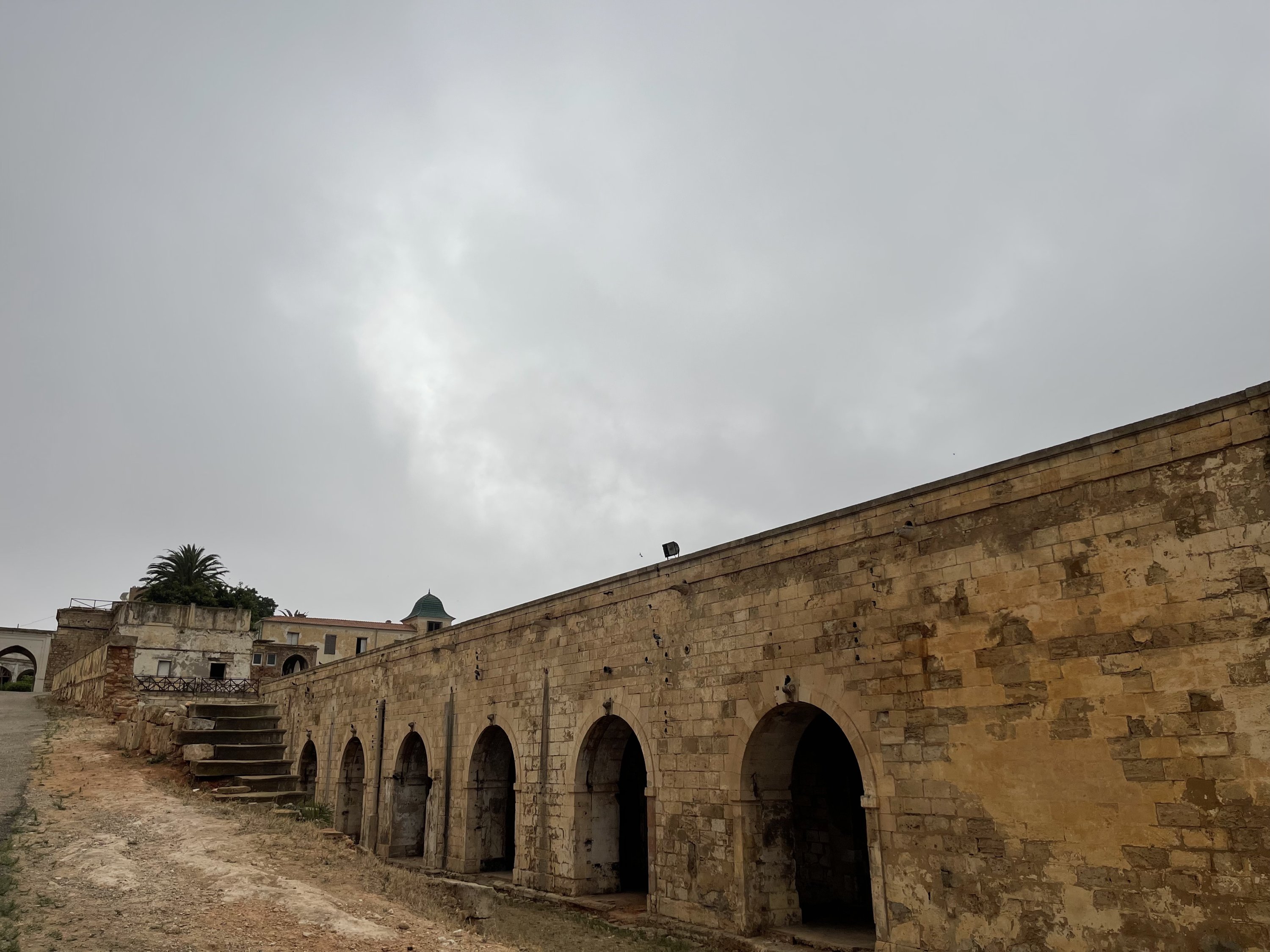
Muhammad Bin Osman al-Kabir, one of the Ottoman beys in Oran, commissioned the Bey's Palace in 1792 in the city on an area of 5.5 hectares, which housed works built by the Sultanate of Marinid and Spaniards. Located in the Seyyidi Huvvari, one of the ancient neighborhoods of Oran, the Bey's Palace complex includes the Red Bastion Fortress (Burc el-Ahmer, Rosalcazar), built during the Marinid period, and a barn from the Spaniards.
Features of Bey's Palace
The Bey's Palace was built in the shape of a ship that protected the vessels moored in the Mers El Kebir port from Frankish and Spanish invaders who yearned for this quiet town.
Muhammad bin Osman al-Kabir paid particular attention to the use of red bricks and very hard rocks in this palace, which he had ordered as the administrative center where he would receive military delegations and gave orders to all western vilayets (provinces).
The Bey's Palace consists of three main sections: the diwan (public room), the harem (domestic room) and the khalwa room (a solitary retreat or seclusion area). The diwan featured the Ottoman coat of arms with verses from the Quran on the ceiling but it was later replaced with inscriptions and coats of arms expressing devotion to French Emperor Napoleon III.
Although the floor of the palace was decorated with tiles bearing the characteristics of Turkish-Islamic architecture, they were also changed and turned into a wooden terrace during the colonial period. Read More...