Biogas project offers lifelines to Kenyan community, forest, and rare species
-
 Loading...
 - Nelson Chepkirui
- 27 Apr 2023
- 66 Views
- 0 Like
- 0 Comment
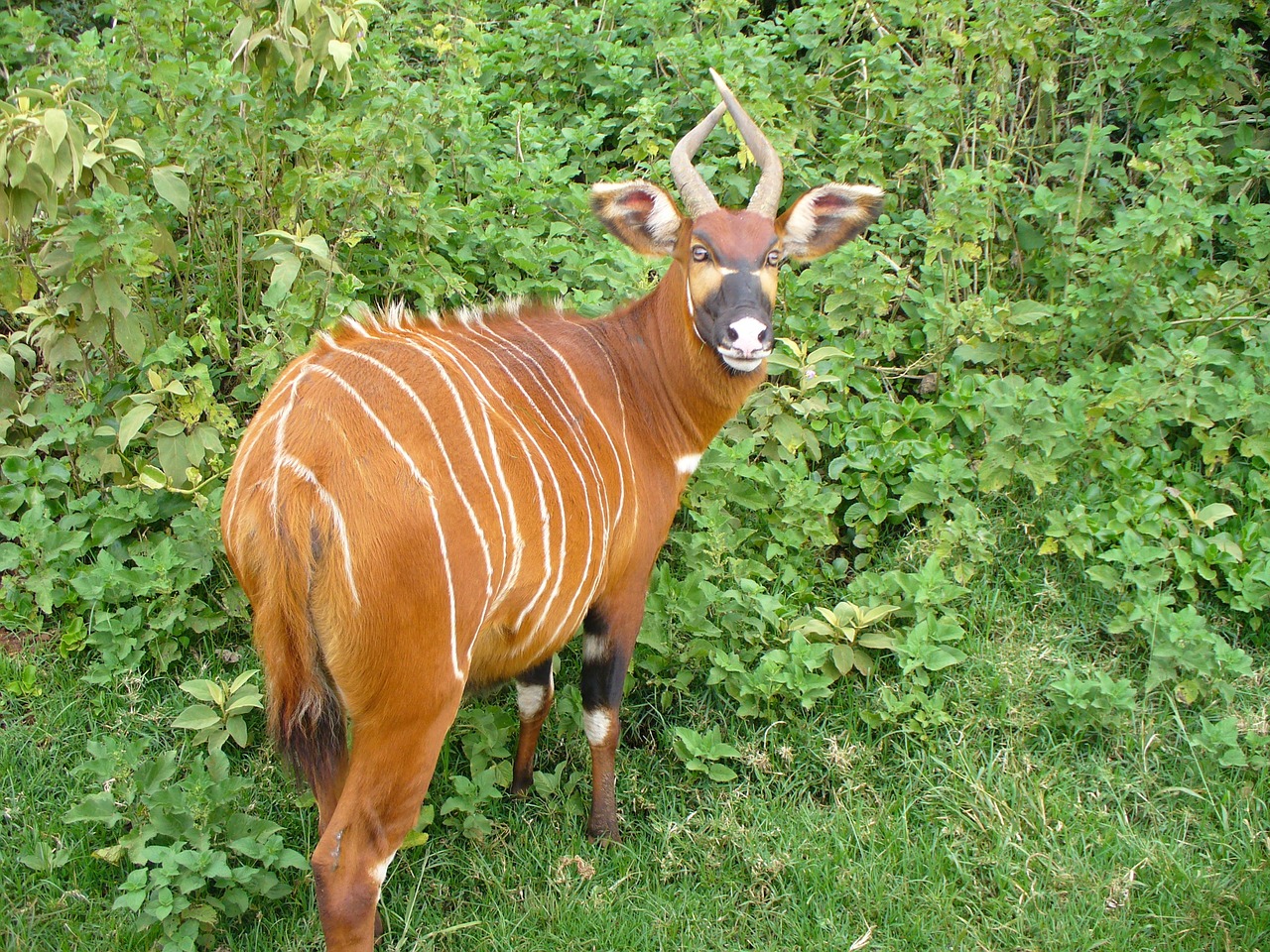
The twin peaks of Mount Eburu are draped with 87 square kilometers, about 34 square miles, of montane forest. They’re home to more than 40 species of mammals, including the critically endangered mountain bongo (Tragelaphus eurycerus isaaci). Like other forest reserves in central Kenya, Eburu has suffered degradation because it’s also a source of food and fuel for surrounding communities.
This could change, though, as a household biogas project aims to reduce demand for timber, firewood, and charcoal, by providing locals an alternative source of energy.
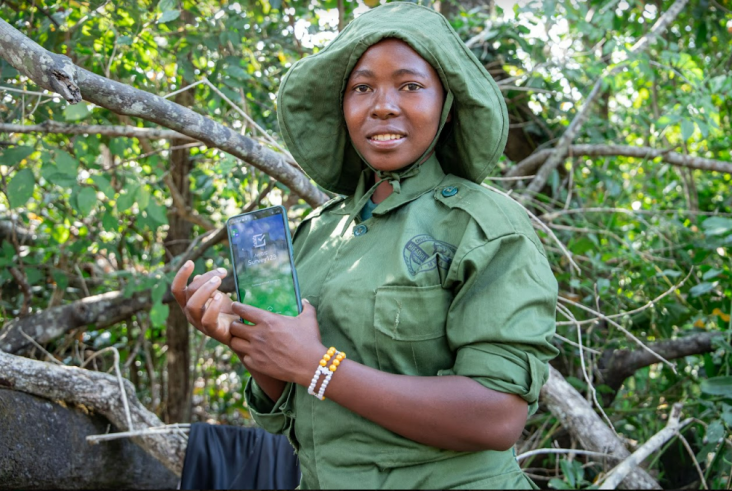
Lydia Nyota heads one of 150 households in the village of Eburu that have begun using biogas for cooking and lighting their homes. Like most of her neighbors here, the 60-year-old used to rely on firewood and charcoal from the nearby Eburu Forest for fuel.
“We value this forest because it gives us rain and it hosts critically endangered species,” Nyota told Mongabay.
Reserves of biodiversity
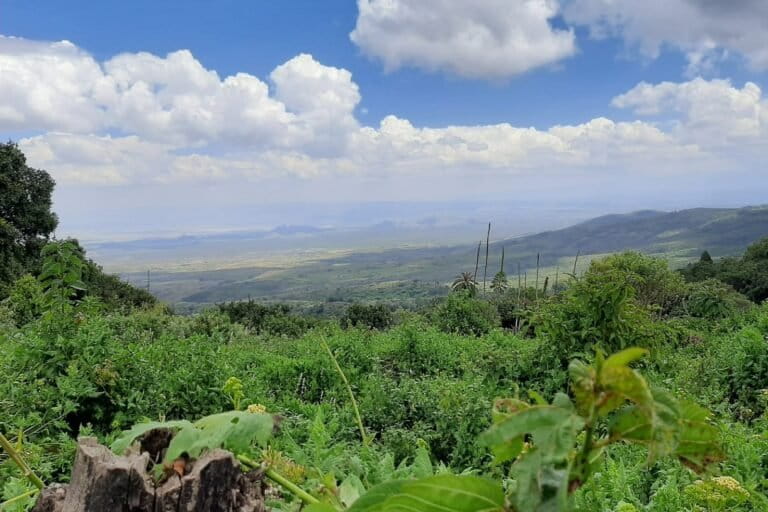
Eburu is the easternmost of 22 protected forest blocks in central Kenya. Once part of the Mau Forest complex, an expanse of montane forest that’s a vital source of the water that feeds lakes and rivers across the Rift Valley region, Eburu is now an island of forest surrounded by agriculture and settlements.
Despite decades of encroachment, Eburu’s various zones — shifting from acacia and lelechwa on the lower slopes, to tall, shady Dombeya torrida trees, cone-bearing Podocoarpus, and leafy Crotalaria species at higher elevations, with highland bamboo and open grassland on the highest peaks — have remained a hotspot for bird and mammal species. The latter include harnessed bushbucks (Tragelaphus scriptus), Harvey’s red duikers (Cephalophus harveyi), leopards (Panthera pardus), and the mountain bongo, a rare striped antelope believed to number just 70-80 in the wild. Read More…