Bitcoin conference comes to Miami for 2nd year, drawing thousands
-
 Loading...
 - Mark Robinson
- 07 Apr 2022
- 333 Views
- 0 Like
- 0 Comment
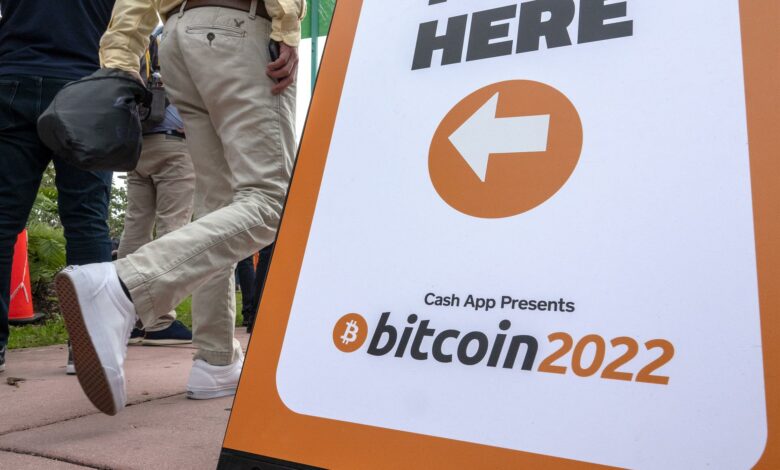
The world of cryptocurrencies on Wednesday will hold its four-day Bitcoin 2022 conference in Miami Beach where business will be conducted, people can learn about the latest developments in the sector, talks and seminars will be given and the digital “coin” will become better known to the general public.
The president of El Salvador, Nayib Bukele, the first world leader to make Bitcoin a legal tender in his country, will participate in the event on Thursdy, but the Salvadoran President’s Office confirmed to EFE that Bukele will only address the conclave from his homeland and will be represented at the in-person event by his country’s envoy to the US, Milena Mayorga.
Attending the kickoff event on Wednesday for the conference – now in its fourth year and expecting to attract more than 35,000 people – was Miami Mayor Francis Suarez, who in his speech lobbied for “integrating” virtual currencies into all aspects of society “this year.”
“Together we’ll create a world where everyone has a chance to live in peace, with dignity and freedom,” said Suarez after emphasizing that what in the medium term cryptocurrencies could mean for the Americas and the role Miami can play in that evolution.
As one of the US mayors most in favor of cryptocurrencies, Suarez said that Miami is styling itself as the world capital of decentralization.
The Miami Mayor’s Office in 2021 associated itself with CityCoin, an organization that facilitates the launching of digital securities to back municipalities, and in the process launched Miami Coin.
Part of the funds that the city receives from its operations with the digital currency will be placed into an assistance fund for residents who have trouble paying their rent.
The digital currencies of CityCoin generate profits via the process known as “staking,” which involves earning rewards for holding a particular crypto-asset for a period of time and is simply the process of devoting assets to a blockchain network in exchange for compensation.
In the case of CityCoin, about 30 percent of the revenues go into the municipal treasury and 70 percent are distributed among people who use their computers to process other people’s transactions, called “miners.” Read More…