Brazilian Desserts: 25 Traditional Sweets You Need to Try in Brazil
-
 Loading...
 - Mason Bell
- 07 Jan 2022
- 508 Views
- 0 Like
- 0 Comment
If you have a sweet tooth, then we hope this article on traditional Brazilian desserts gives you much to look forward to on your next visit to Brazil.
THE BEST BRAZILIAN DESSERTS
1. Brigadeiro
There’s no better way to start this article on traditional Brazilian desserts than with brigadeiro. Considered by many to be a Brazilian national dessert, it’s a common sight at children’s birthday parties in Brazil and is something that many locals grew up eating.
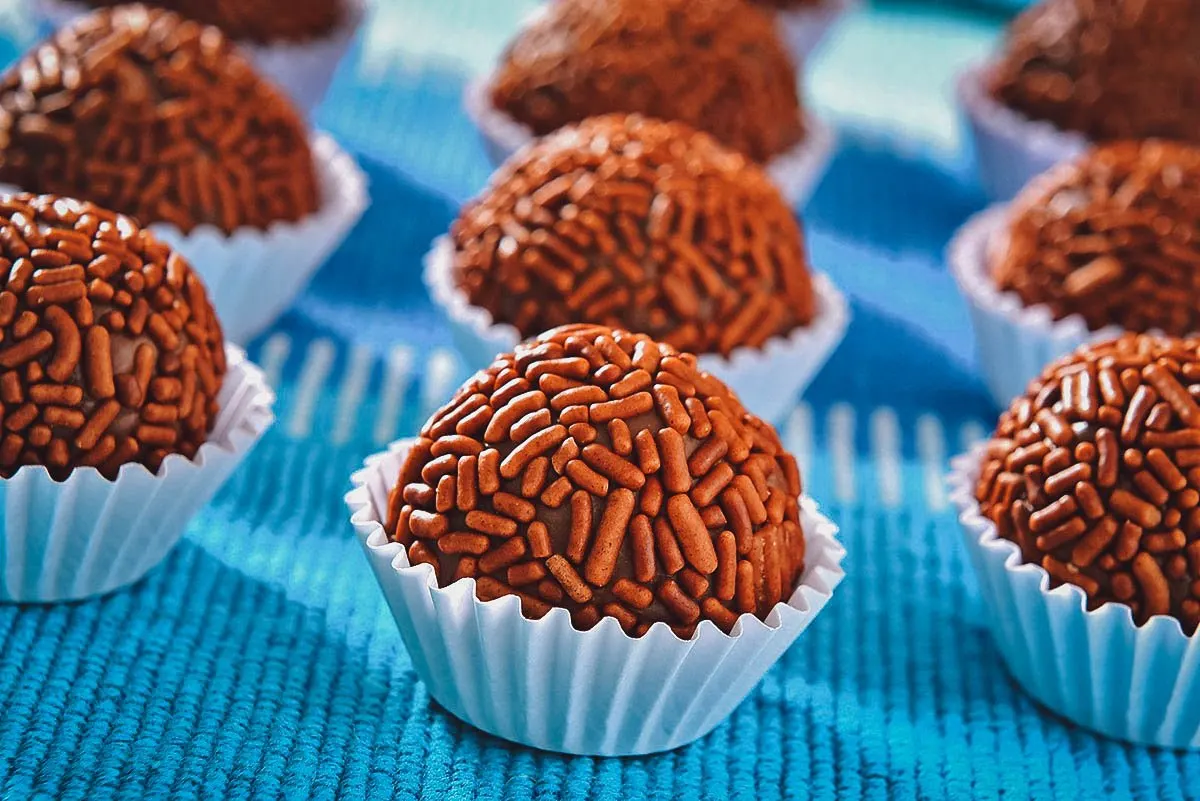
Brigadeiros are Brazilian fudge balls made with sweetened condensed milk, chocolate powder (or cocoa powder), and butter. Similar to chocolate truffles or bon-bons, they’re rolled into balls and coated in chocolate sprinkles before being served in individual paper cups.
The name brigadeiro means “brigadier” and is reference to Eduardo Gomes, a Brazilian brigadier who ran for president in 1946. In support of his campaign, a woman by the name of Heloísa Nabuco de Oliveira created this dessert and named it doce do brigadeiro (“brigadier’s sweet”). It quickly became popular throughout Brazil with the name eventually being shortened to just brigadeiro.
This popular sweet dish and birthday party treat is traditionally made with chocolate or cocoa powder, but more modern versions can be made with other ingredients as well like pistachio, white chocolate, passion fruit, and Nutella.
2. Beijinho de Coco
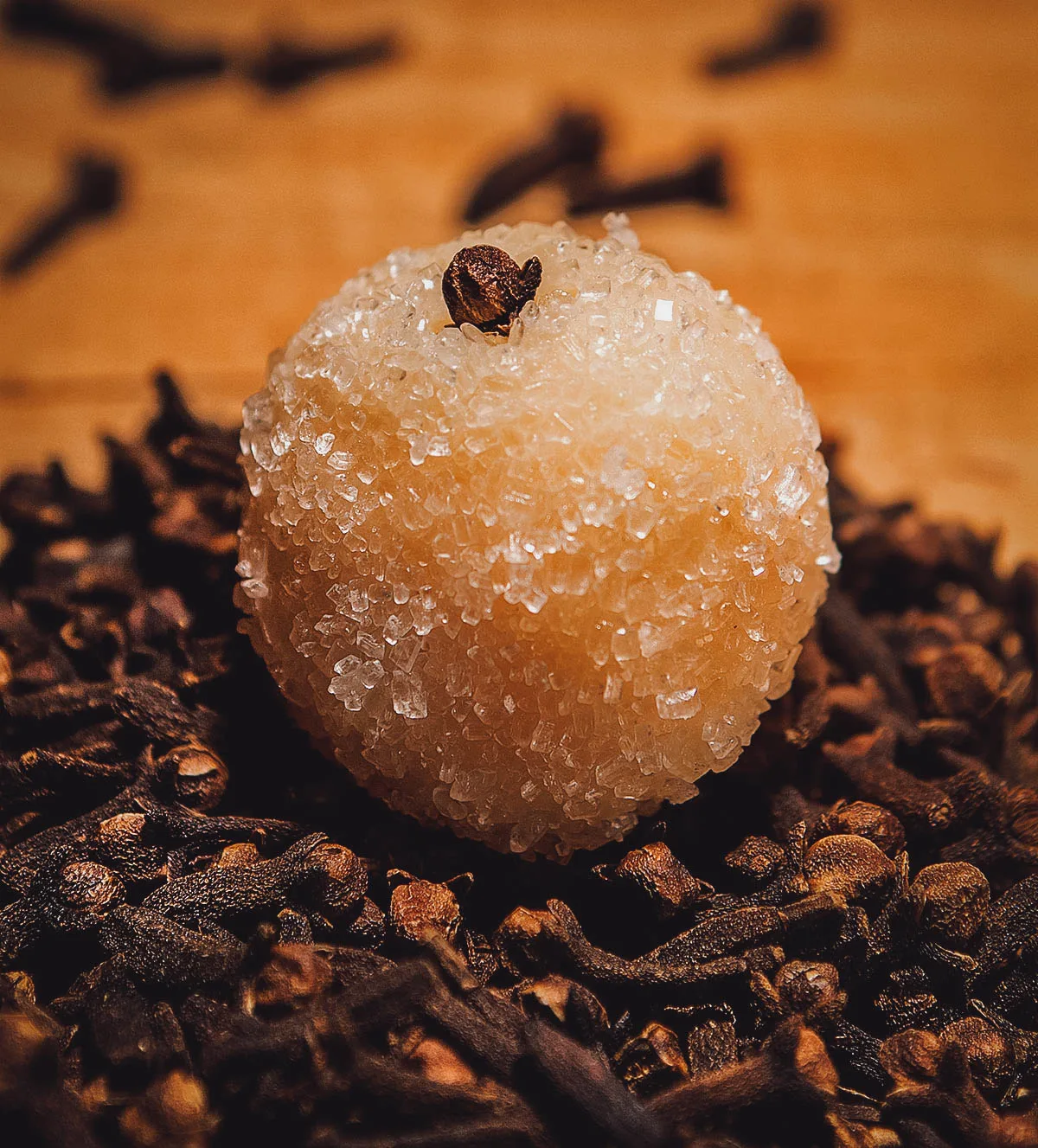
Like brigadeiros, beijinho de coco is one of the most popular Brazilian desserts and a common sight at birthday parties in Brazil. Meaning “little coconut kiss” in Portuguese, it refers to a popular dessert made with grated coconut, condensed milk, butter, and granulated sugar. It’s essentially a coconut brigadeiro rolled in sugar or shredded coconut and topped with a single decorative clove.
Beijinhos are almost as popular as brigadeiros and can be found at nearly every birthday party in Brazil. They’re typically made with coconut but they can be made with other ingredients as well like passion fruit, cocoa powder, and strawberry gelatin. They can also be referred to as branquinhos, meaning “little white ones”.
3. Surpresa de Uva
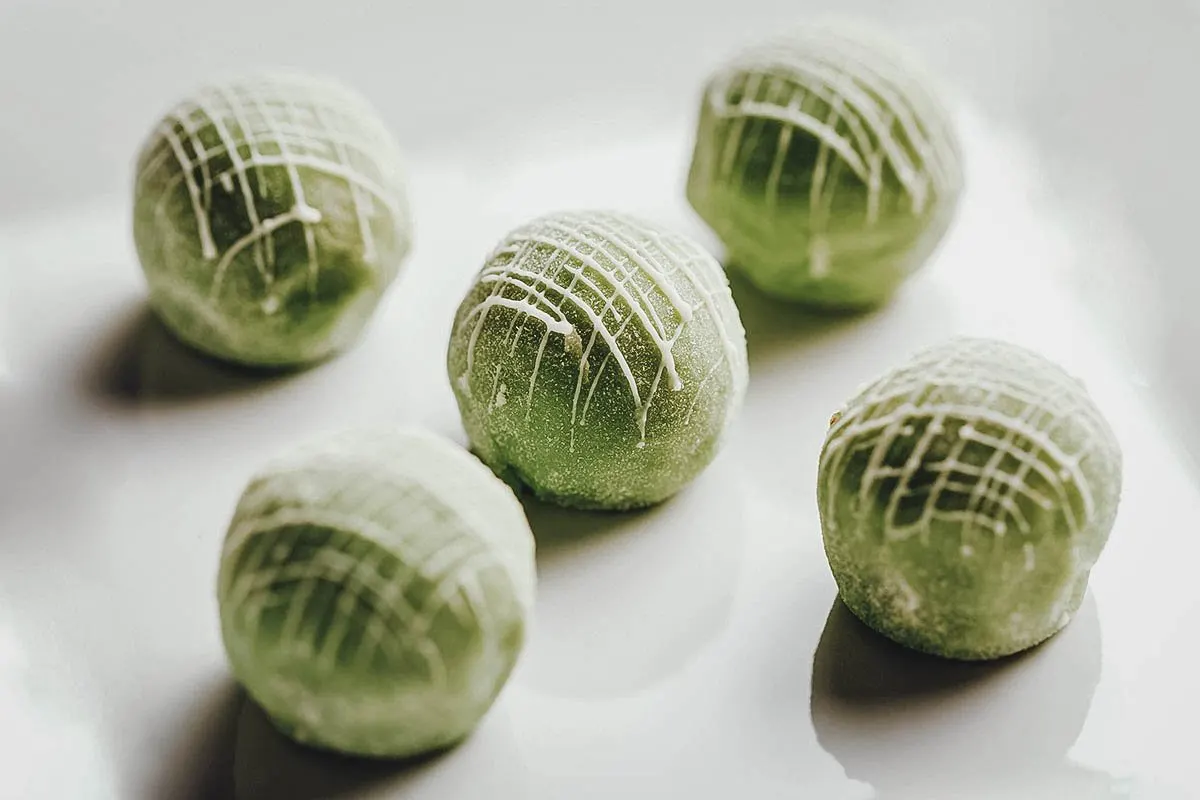
If beijinho de coco is a coconut brigadeiro, then you can think of surpresa de uva as a grape brigadeiro. Also known as uvinha, surpresa de uva literally means “grape surprise” and refers to brigadeiro balls made with sweetened condensed milk, butter, vanilla, green food coloring, and whole tart grapes.
Like brigadeiros and beijinhos, uvinhas are one of the most popular Brazilian desserts and a common sight at birthday parties, baby showers, weddings, and other celebratory occasions.
4. Cajuzinho
Like the previous sweet treats, cajuzinho is one of the most popular Brazilian desserts served at children’s birthday parties. Its name literally means “little cashew” and refers to a dessert made with ground peanuts, sweetened condensed milk, cocoa powder, butter, and granulated sugar.
Cajuzinhos are commonly made with peanuts but they were traditionally made with cashews and molded into the shape of a cashew fruit, hence the name.

5. Rabanada
Who doesn’t like French toast? If you have a sweet tooth, then this delicious dish has probably graced your breakfast plate on many occasions. It’s enjoyed in many parts of the world and Brazil is no exception.
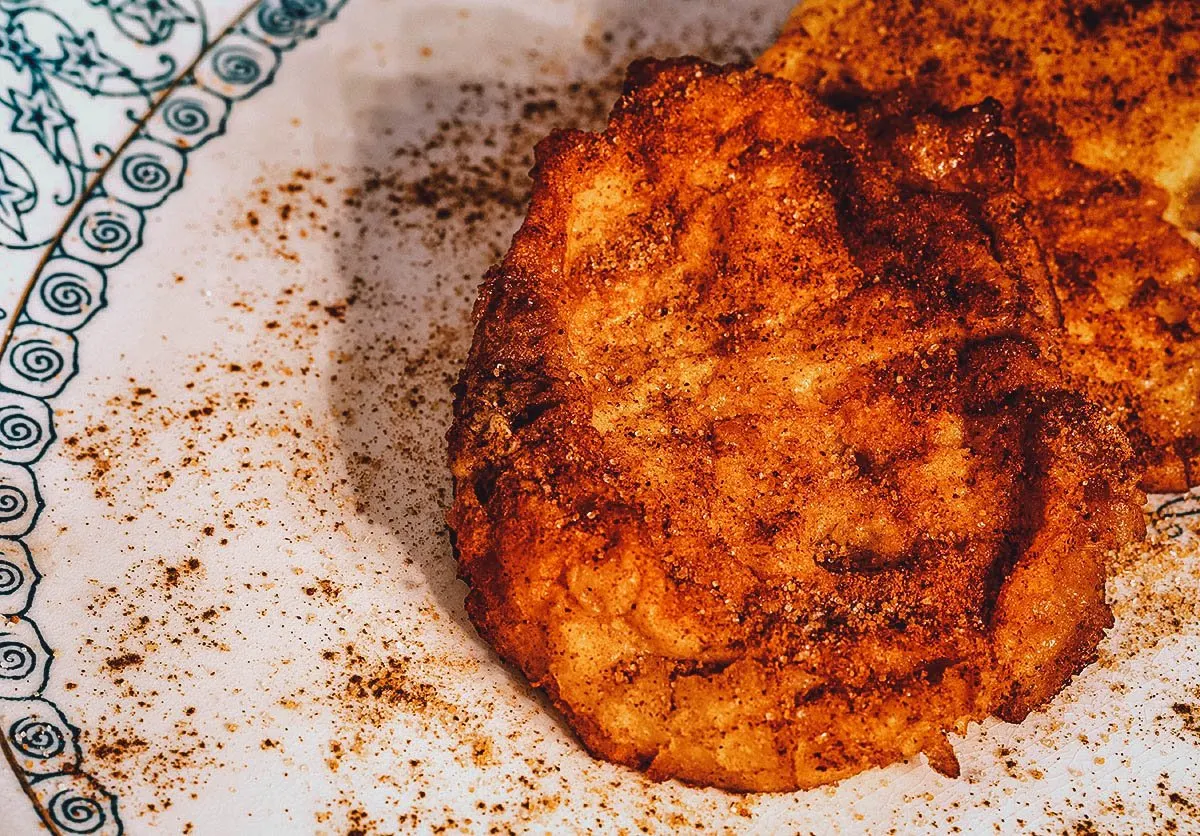
Rabanada refers to Brazilian-style French toast. Similar to Spanish torrijas, it’s originally a Portuguese dish that’s become a popular dessert in Brazil. Unlike American French toast that’s typically enjoyed for breakfast, rabanadas are usually eaten for dessert or as an afternoon snack . They’re traditionally associated with Christmas in Brazil though they’re so delicious that you’ll probably want them throughout the year.
Another key difference between rabanada and its American cousin is that it’s usually made with crusty bread. This gives it a crispier exterior and a soft, custard-like interior. The bread is soaked in sweetened condensed milk before being dipped in beaten eggs and deep-fried in oil. After frying, it’s given a nice coat of cinnamon sugar before serving.
Rabanada is such a popular Christmas treat in Brazil that a special bread called pan de rabanada is commonly sold around the holidays, just to make this dessert.
6. Açaí na Tigela
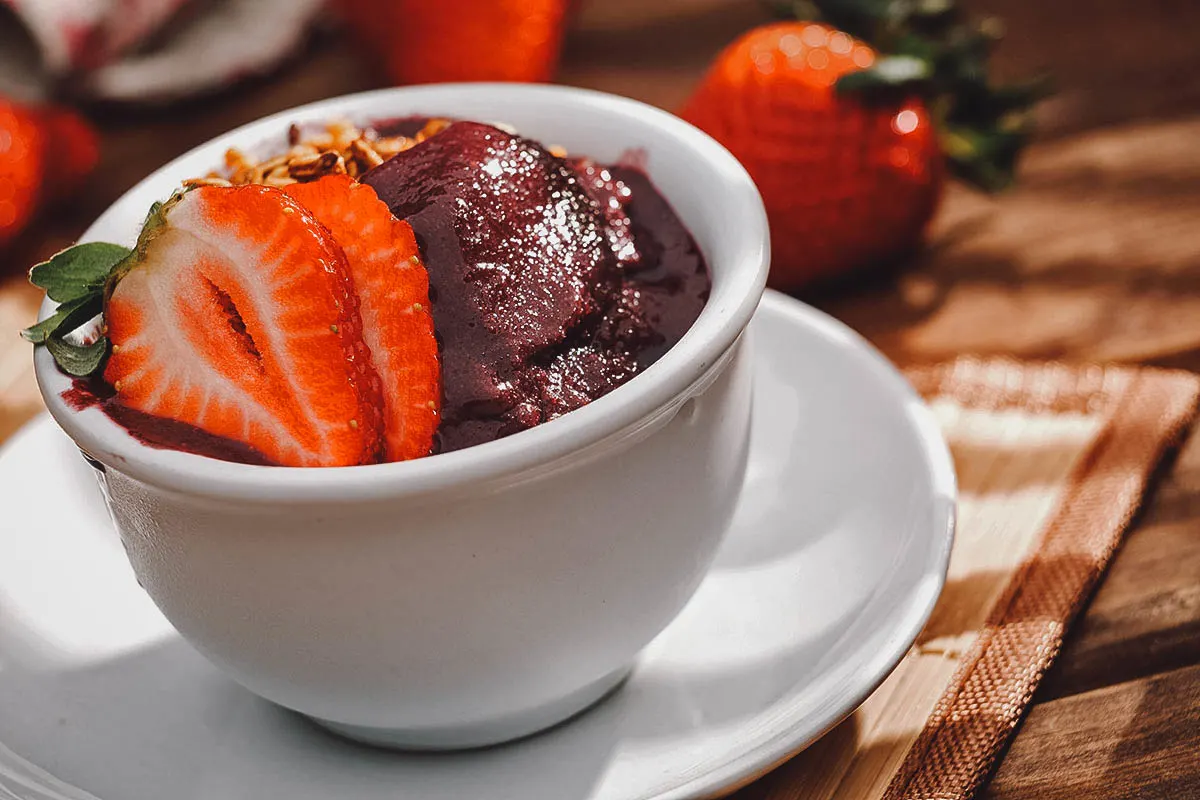
No list of popular Brazilian desserts can ever be complete without mentioning açaí na tigela. Açaí na tigela literally means “açaí in the bowl” and refers to a Brazilian dessert made with frozen and mashed acai berries.
Açaí berries are an indigenous fruit produced by the açaí palm, a species of palm tree native to Brazil and other South American countries like Ecuador, Colombia, Venezuela, and Guyana. In the west, it’s often marketed as a superfood rich in antioxidants, healthy fats, calcium, and fiber.
Açaí berries can be prepared and consumed in many ways but in Brazil, it’s commonly eaten in an acai bowl. Acai bowls are often artfully topped with various ingredients like granola, guaraná syrup, banana slices, strawberries, blueberries, and other fruits. If you’re active on social media, then pretty acai bowls are no strangers to your Instagram feed.
Açaí na tigela is consumed throughout Brazil but it’s especially popular in Rio de Janeiro, Pará, São Paolo, Goiás, Florianópolis, and along the northeastern coast. Sweet versions traditionally served cold are what many non-Brazilians think of when they think of the acai bowl, but savory versions made with cassava, fish, shrimp, or farofa are just as common in Brazil.