“Bride of Zambia” Short Film Ignites Anti-Patriarchal Rebellion in Conservative Zambia
-
 Loading...
 - Zaafarani Kiptanui
- 18 Nov 2024
- 38 Views
- 0 Like
- 0 Comment
Zambian filmmaker Tisa Chigaga’s short film, Bride of Zambia, is making waves in the southern African nation by tackling traditional gender roles and internalized misogyny. This mini-drama has sparked a significant conversation among Zambian women, many of whom feel empowered to voice their experiences and challenge the status quo.
Bride of Zambia is groundbreaking in its exploration of premarital bridal counseling—a topic often shrouded in secrecy and traditionally passed down from married women to brides-to-be. By shedding light on these confidential teachings, Chigaga questions whether some of these long-held doctrines are harmful in contemporary society. Her film dares to confront the patriarchal norms that have dominated Zambian culture, a culture where few women openly identify as feminists.
Chigaga, who grew up in Lusaka, has often grappled with the patriarchal elements of her culture. Directing this film was a bold and risky move, as Zambia is known for its conservative values. Despite her initial fears of backlash, the reception to Bride of Zambia has been overwhelmingly positive. Chigaga has received hundreds of messages on social media from Zambian women expressing gratitude for her courage in addressing these issues.
One poignant response came from a viewer who questioned the distribution of bride price, asking why it is shared among family members but not with the bride herself. This inquiry highlights the systemic exclusion of women from discussions about their own worth and the financial arrangements surrounding marriage. Chigaga was taken aback by the boldness of such questions, which reflect a growing desire for change among Zambian women.
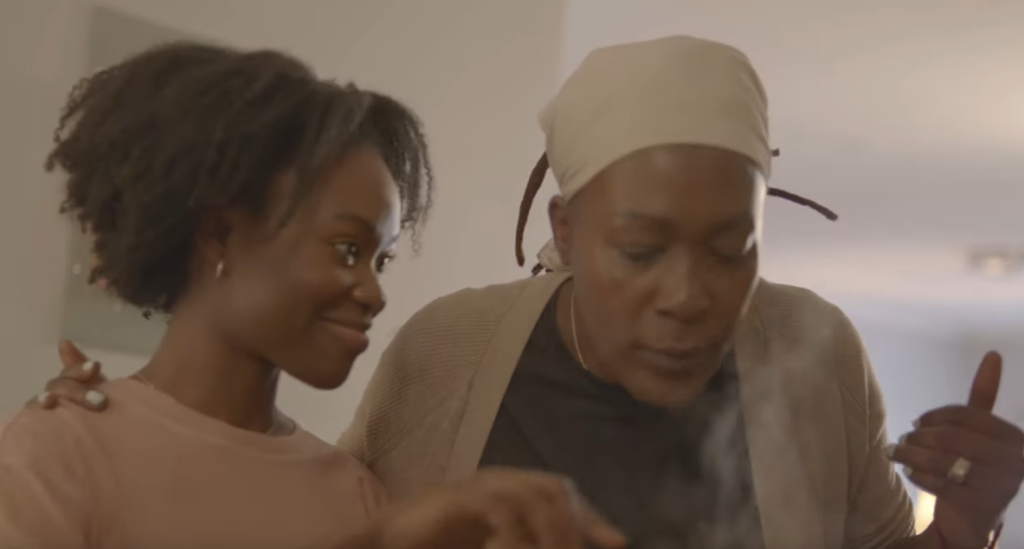
“I was shocked by the boldness and originality of the statement,” Chigaga remarked. “While I had expected Bride of Zambia to lead to dialogue, I never imagined the conversation would quickly become so radical.” Now residing in New York City, where she serves as the Program Manager of the New York African Film Festival, Chigaga hopes to leverage the momentum generated by her film to advocate for women’s rights in Zambia.
The film has garnered support from local Zambian filmmakers, who recognize its significance. Becky Ngoma, a prominent screenwriter and director known as the Queen of Zambian TV, praised the film as “agonizing and provocative,” emphasizing its exploration of cultural identity and the clash of traditions. She described it as a must-watch for anyone interested in themes of feminism and self-discovery.
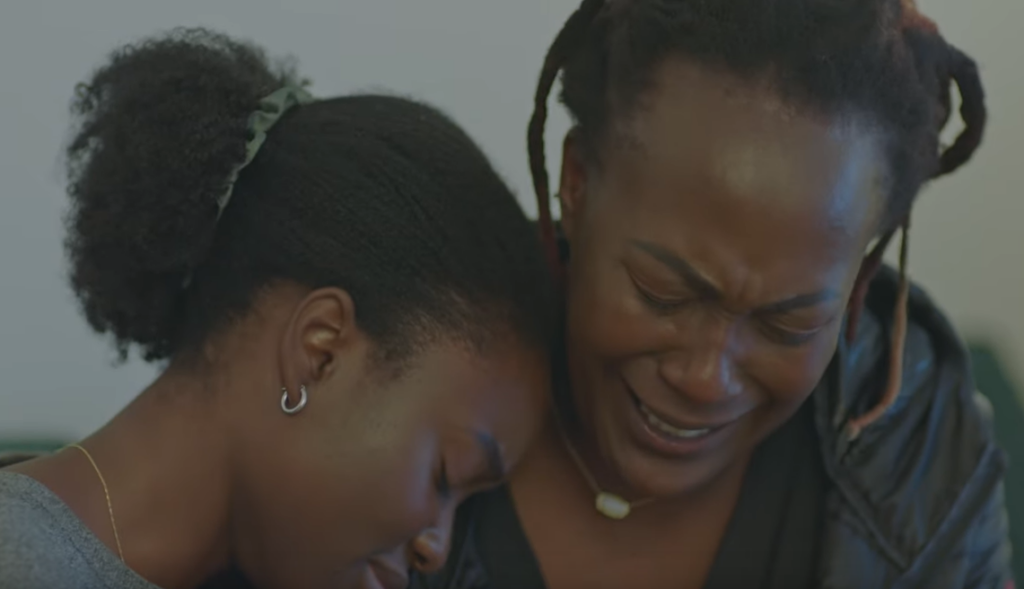
Bride of Zambia has also attracted attention from feminist film icons internationally, further amplifying its message and impact. The film serves as a catalyst for discussions about gender equality and the need for cultural transformation in Zambia, revealing that beneath the surface of traditional submissiveness, many Zambian women are yearning for change.
In conclusion, Tisa Chigaga’s Bride of Zambia is not just a film; it is a movement that challenges deeply entrenched patriarchal norms and inspires women to reclaim their voices. As the discourse surrounding the film continues to evolve, it holds the potential to drive significant advancements in women’s rights and cultural awareness in Zambia.