Bringing Ancient Egypt to Life on the Silver Screen
-
 Loading...
 - Alessia Abato
- 19 Aug 2024
- 160 Views
- 0 Like
- 0 Comment
The allure of Ancient Egypt has captivated audiences for decades, and filmmakers have risen to the challenge of bringing this iconic era to life on screen. But how do they achieve this feat of authenticity and believability? Let's delve into the techniques used to transport viewers back in time to the land of the pharaohs.
Ancient Egypt is synonymous with recognizable symbols and motifs, which filmmakers cleverly employ to instantly transport audiences to the era. Online casino games, such as Slingo Cleopatra and Book of Slingo, use pyramids, sand dunes, masks, and hieroglyphics to create an immersive experience. Similarly, films like Gods of Egypt (2016) and Raiders of the Lost Ark (1981) incorporate these themed visuals to create a believable and immersive setting.
To ensure historical accuracy, filmmakers often hire experts in the era to advise on various aspects of the film, from cinematography to costumes and accents. The Polish film Faroan (1966) brought in renowned Egyptologist Kazimierz Michalowski as a technical advisor, while Stargate (1994) consulted Egyptologist Stuart Tyson Smith to advise on Ancient Egyptian linguistics and cadence.
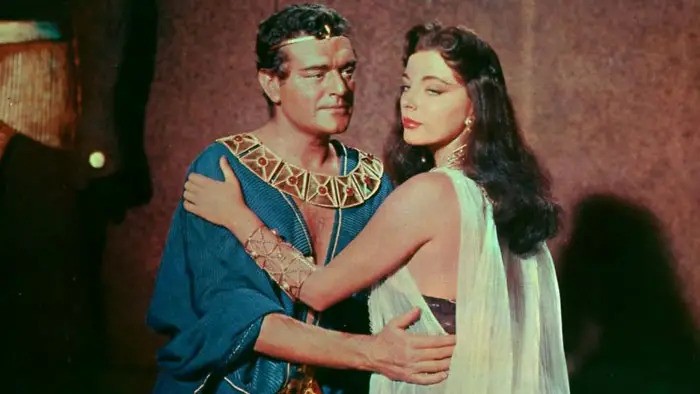
Filmmakers have two approaches to recreating Ancient Egypt: filming on location in modern-day Egypt or building elaborate sets. The Ten Commandments (1956) filmed on location in Egypt, while Cleopatra (1963) was mainly filmed in Pinewood Studios. Despite taking creative liberties, these films managed to capture the essence of Ancient Egypt, with Cleopatra becoming the highest-grossing film of 1963.
By employing these techniques, filmmakers have successfully brought Ancient Egypt to life on the silver screen, transporting audiences to a bygone era of pharaohs, pyramids, and mystique. So, grab your popcorn and enjoy your favorite Ancient Egypt-inspired films in a new light!