Chinese Film “Only the River Flows” Screens at the Hirschfield International Film Series

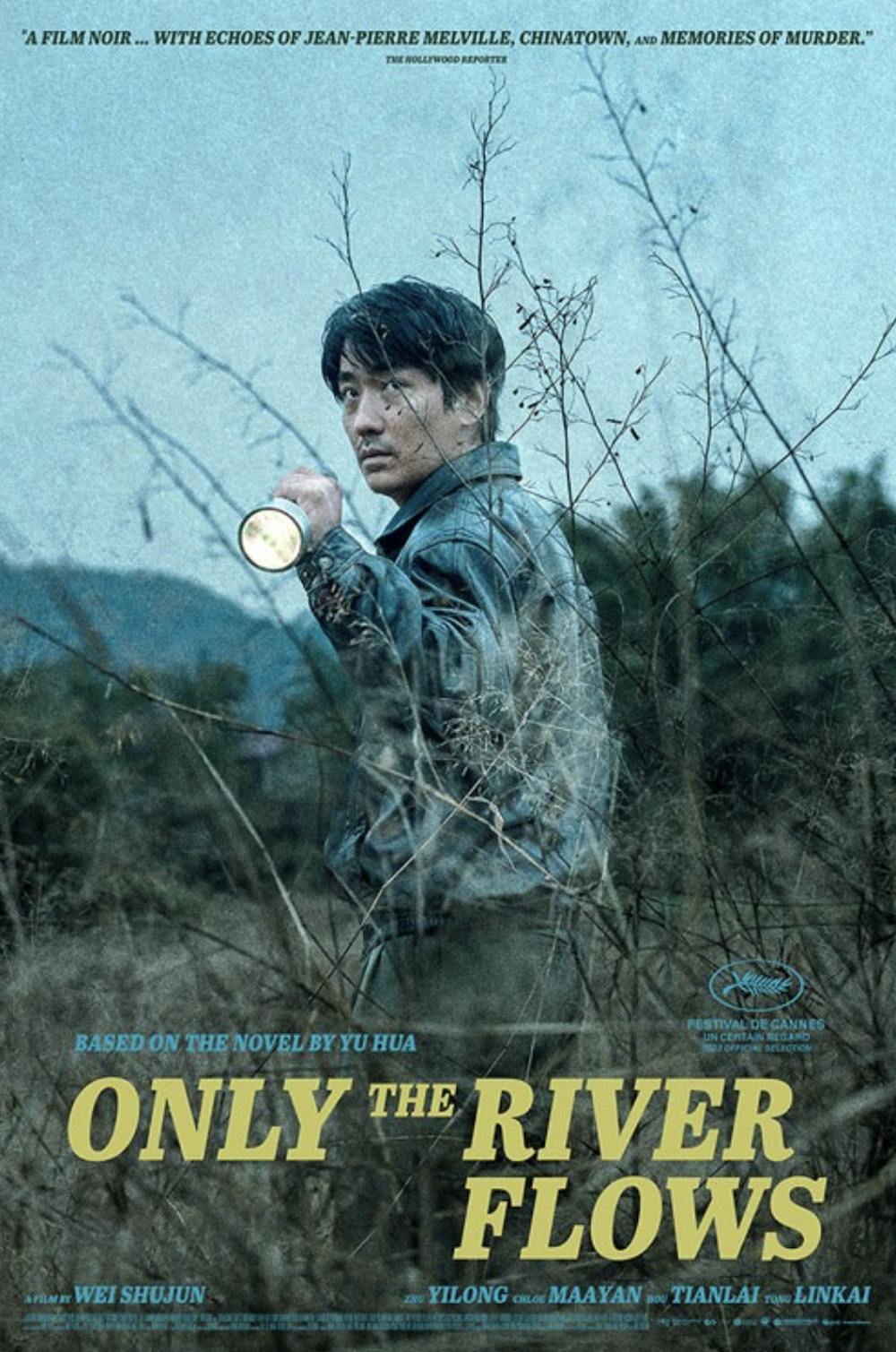
The Hirschfield International Film Series kicked off its first feature-length film with the atmospheric Chinese thriller Only the River Flows, which premiered in the Official Selection at the Cannes Film Festival. The screening, held on October 17 at the Dana Auditorium, drew a packed audience eager to experience this neo-noir cinematic piece.
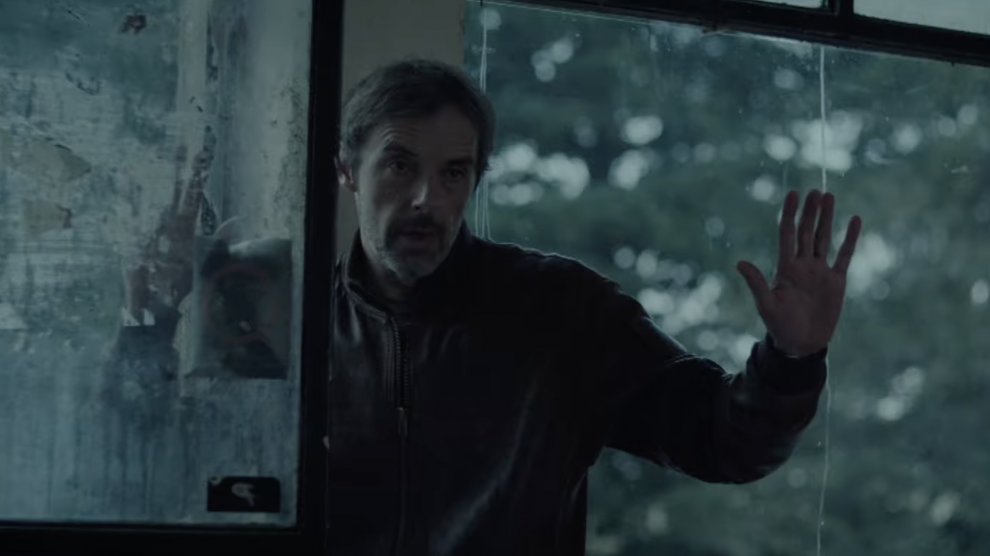
Assistant Professor of Chinese, Chialan Sharon Wang, opened the event by providing context for the film. Based on Yu Hua’s short story “Mistakes by the River,” the narrative unfolds in a riverside town in rural China during the 1990s, where a series of murders disrupt the community. The audience follows Ma Zhe, portrayed by Zhu Yilong, as he embarks on a quest to uncover the truth behind these crimes.
Only the River Flows is characterized by its shadowy cinematography, ambiguous morality, and an underlying theme of paranoia. Shot almost entirely on 16 mm film, the movie captures a dim, blurry, and blue-tinted aesthetic that effectively recreates the atmosphere of the 1990s. The film’s English title, Only the River Knows, suggests that the truth behind the murders is as elusive as the flowing river, potentially lost to the tides of time.
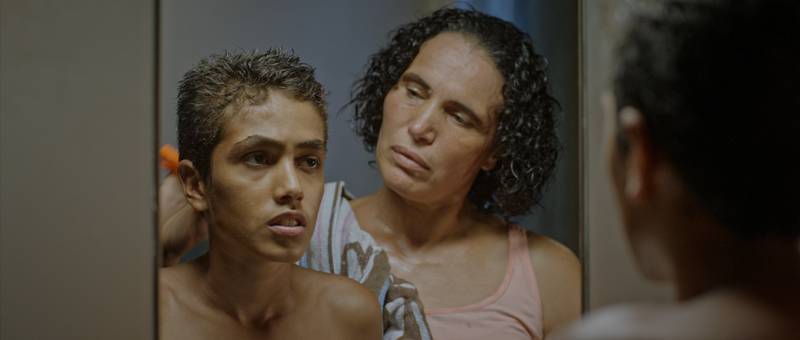
The film opens with the haunting strains of Beethoven’s “Moonlight Sonata” as Grandma Four, a widow who adopted a madman, is discovered dead by the river. Ma Zhe, the criminal police captain, is assigned to solve this peculiar case, leading him to uncover a secret romantic relationship between two other characters, Wang Hong (Moxi Zishi) and Qian Lin (Baisha Liu). However, just as Ma Zhe seems to be closing in on the murderer, the truth slips away when Wang Hong also dies by the river, accompanied once again by the melancholic music.
As Ma Zhe continues his investigation, he captures the madman, who is found in bloodstained clothes, and sends him to an asylum. The plot thickens when a witness, Xu Liang, is revealed to have a hidden life, leading to Xu’s tragic suicide. What begins as a single murder spirals into a series of deaths, including Wang Hong, Xu Liang, and ultimately a child.
Ma Zhe’s relentless pursuit of the truth inadvertently leads to the demise of those involved, as his probing questions and refusal to accept the madman as the true culprit ruin lives. The film delves into Ma Zhe’s deteriorating mental state, exacerbated by his wife’s pregnancy and fears of having a deficient child. The neo-noir elements are on full display as reality blurs with illusion; a pivotal scene reveals that a shooting Ma Zhe believes he committed was merely a hallucination.
In a climactic moment, Ma Zhe, overwhelmed by despair, plunges into the river and confronts the madman, ultimately beating him to death with a rock. The film concludes with Ma Zhe receiving a merit award and a serene scene of him and his wife bathing their newborn child in an ethereal light.
Despite the film’s ambiguous resolution regarding the murder mystery, it resonated with the audience, many of whom lingered afterward to discuss the plot with Assistant Professor of Film & Media Culture, Nikolina Dobreva. The discussions highlighted the film’s intentional obscuring of the true narrative and the frequent impasses in Ma Zhe’s quest, symbolizing the complexities of life and our fixation on truth.
An intriguing motif emerged regarding the madman; every character who met a tragic end was either marginalized or deviant in society. Even Ma Zhe’s baby, playing with a striped towel, mirrored the madman’s mannerisms, suggesting that the oppressive, Kafkaesque bureaucratic system depicted in the film ultimately drives individuals to madness and death.
Only the River Flows stands out as a memorable cinematic experience. The film not only explores the depths of human nature and societal pressures but also invites viewers to reflect on unresolved questions and elusive truths. As the river flows, so too do our thoughts, following Ma Zhe through a narrative rich with complexity and introspection.