Budget: Nigeria Needs 127.7 Million Barrels or $10.3 Billion Oil Revenue, Says FG
-
 Loading...
 - Orji Nweke
- 17 Jan 2025
- 43 Views
- 0 Like
- 0 Comment
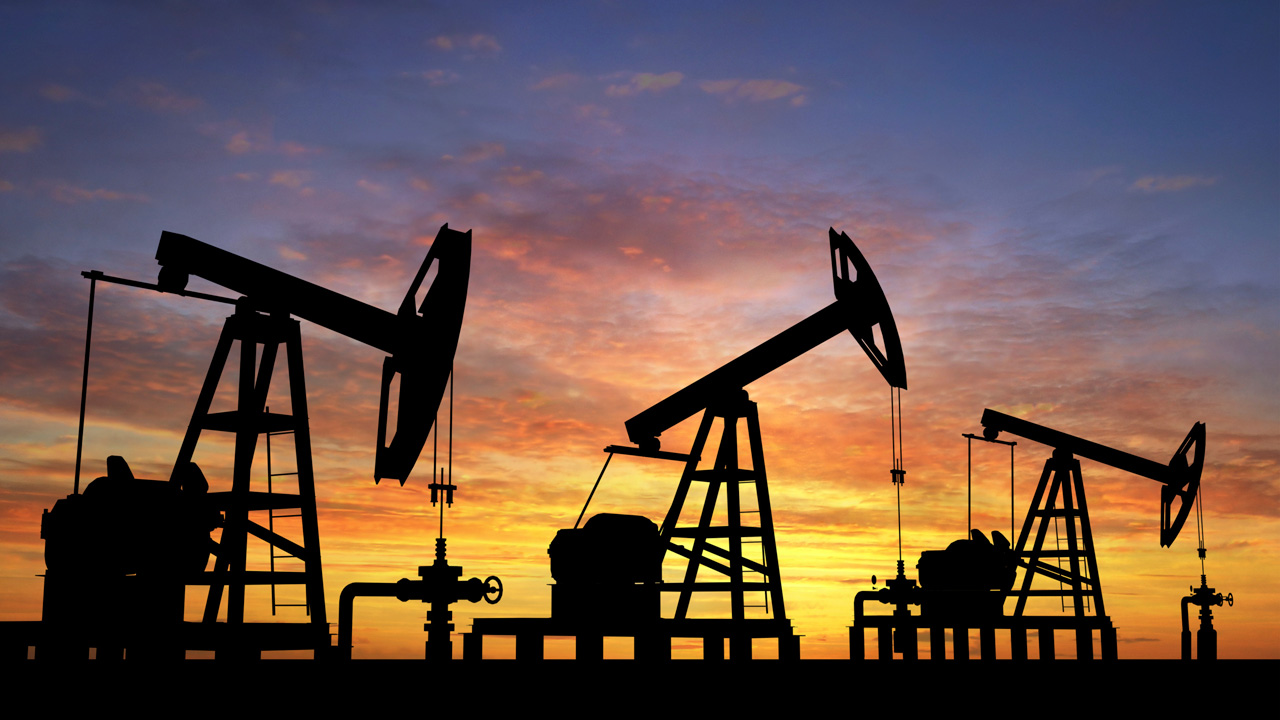
The Federal Government of Nigeria has announced that the country will require an additional 350,000 barrels per day (bpd) of oil to meet the targets set for the 2025 budget. This translates to a total of 127.7 million barrels, which is equivalent to approximately $10.3 billion in revenue.
The 2025 budget is based on an oil price of $75 per barrel and a production target of 2.06 million bpd. However, the Nigerian Upstream Petroleum Regulatory Commission (NUPRC) reports that current oil production, including condensate, stands at about 1.7 million bpd, resulting in a deficit of 350,000 bpd. If this shortfall is not addressed, it could lead to a significant revenue gap by the end of the year.
Over the past decade, Nigeria has consistently struggled to meet its oil production benchmarks, contributing to persistent budget deficits. The Petroleum and Natural Gas Senior Staff Association of Nigeria (PENGASSAN) has indicated that the country would require a budget size of approximately $200 billion to foster economic growth.
In response to these challenges, Minister of State for Petroleum, Heineken Lokpobiri, has initiated the creation of a new forum aimed at addressing issues within the oil and gas sector. This quarterly stakeholders’ forum is designed to facilitate discussions among industry players and promote collaborative solutions to the challenges facing the sector.
Lokpobiri highlighted the need for synergy among upstream, midstream, and downstream operators to stabilize the industry and ensure energy security. He also raised concerns about the burdensome tax structure, which imposes over 271 levies and taxes on businesses in the sector.
Industry leaders have praised the initiative, with Dr. Billy Harry, President of the Petroleum Product Retail Outlet Owners Association of Nigeria, calling it a crucial step towards achieving energy security. Nicolas Odinuwe, Chairman of the Petroleum Technology Association of Nigeria (PETAN), emphasized the importance of sustaining production levels to stabilize the economy.
Gbenga Komolafe, CEO of NUPRC, reported a 26% increase in oil production from April 2023 to November 2024, along with a rise in active rig counts. He noted that collaboration with security agencies has significantly reduced crude oil theft and deferment.
Ahmed Farouk, CEO of the Nigerian Midstream and Downstream Petroleum Regulatory Authority (NMDPRA), discussed progress in developing Compressed Natural Gas (CNG) infrastructure, with over $400 million invested in establishing new stations.
PENGASSAN has criticized the proposed budget of N49.76 trillion (approximately $30,000 per capita) for 2025, arguing that it falls short given the country’s population of over 200 million. Festus Osifo, President of PENGASSAN, urged the government to expand its revenue base by harnessing mineral resources and adding value to them, rather than merely exporting raw materials.
Osifo also called for urgent action to address the frequent grid collapses in the power sector, which occurred more than 12 times in 2024. He urged President Bola Tinubu to appoint qualified individuals to manage the power ministry and protect the electricity infrastructure.
As Nigeria navigates its budgetary challenges and seeks to enhance its oil production capabilities, the establishment of collaborative forums and a focus on regulatory reforms may play a crucial role in stabilizing the sector. Stakeholders are calling for a comprehensive approach to address the underlying issues affecting the oil and gas industry, while also advocating for broader economic reforms to ensure sustainable growth and development.