Bulgaria will vote with little hope after two years of political crisis
-
 Loading...
 - Yosif Zlatko
- 30 Mar 2023
- 63 Views
- 0 Like
- 0 Comment
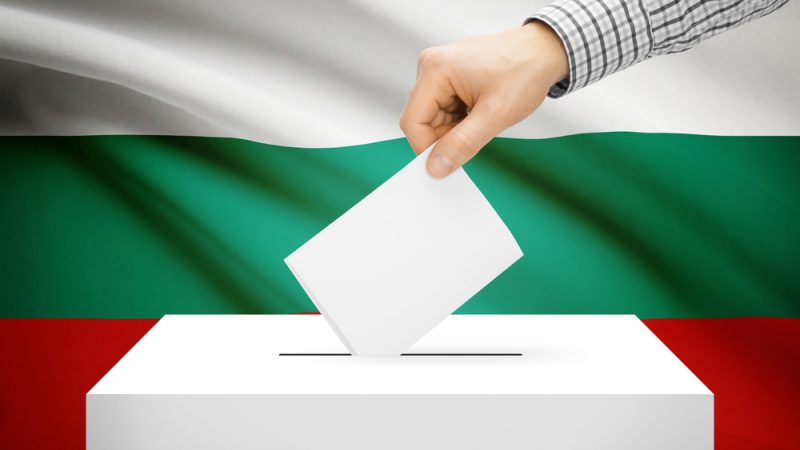
Bulgarians will vote on 2 April for the fifth general elections in two years, but the odds of forming a stable government after that are not high.
There is no light at the end of the dark tunnel of the political crisis in the EU’s poorest country, which also happens to be NATO’s most vulnerable link to Russian influence.
The risk is that pro-Russian President Rumen Radev, opposed to sending ammunition to Ukraine, will continue to rule from Sofia.
Without a stable parliamentary majority, Bulgaria will not be able to accept the justice reform promised to Brussels, which will block payments for €4.5 billion under the Recovery Plan.
At the same time, authorities in Sofia also show serious hesitation in absorbing the EU funds for the Green transition, flirting with the coal lobby and spreading anti-European sentiments.
For Bulgaria’s EU partners, Radev’s long rule is very bad news because he cannot negotiate and make long-term political bets since he does not have his parliamentary majority. However, his playing with the pro-Russian sentiments of the Bulgarians may cause problems in the European Council – meaning that Bulgaria will continue to be the black hole of EU politics and can only hinder the achievement of unity on key issues.
The irony is that the three largest political formations in the country stick Euro-Atlantic labels on each other. The We Continue the Change-Democratic Bulgaria coalition has the greatest chance of winning the elections, gathering between 23-27% according to various surveys.
The elections are expected to be highly contested because the GERB-SDS coalition of former Prime Minister Boyko Borissov is only 1% behind. The two political formations could easily form a stable government, but Borissov is a divisive figure. Read More..