Buying homes under inflation? What will happen next
-
 Loading...
 - Bulan Susilo
- 27 Sep 2022
- 100 Views
- 0 Like
- 0 Comment
In July, I wrote the blog post “Cash is king now”. Two months later, the trends covered in the post have advanced faster than anyone can predict. Everywhere we hear people saying, “Inflation makes everything expensive. I need more money!”
Inflation stress far more contagious than Covid-19
As of this writing, Singapore has close to 2,500 daily new cases. However, the mental stress from higher outgoing expenses and lower spending power is far more contagious than Covid-19.
Under Singapore’s highest inflation in 14 years, every day we are bombarded with talks of inflation: Journalists write about tips to save money. Colleagues complain about higher petrol prices and private hire fees. Parents grumble about rising utility bills and household expenses. Even children talk about inflation in school after they pick up the word at home.
Do we all have financial pressure from inflation? Not really. But this inflation virus is so contagious that most of us are infected by it.
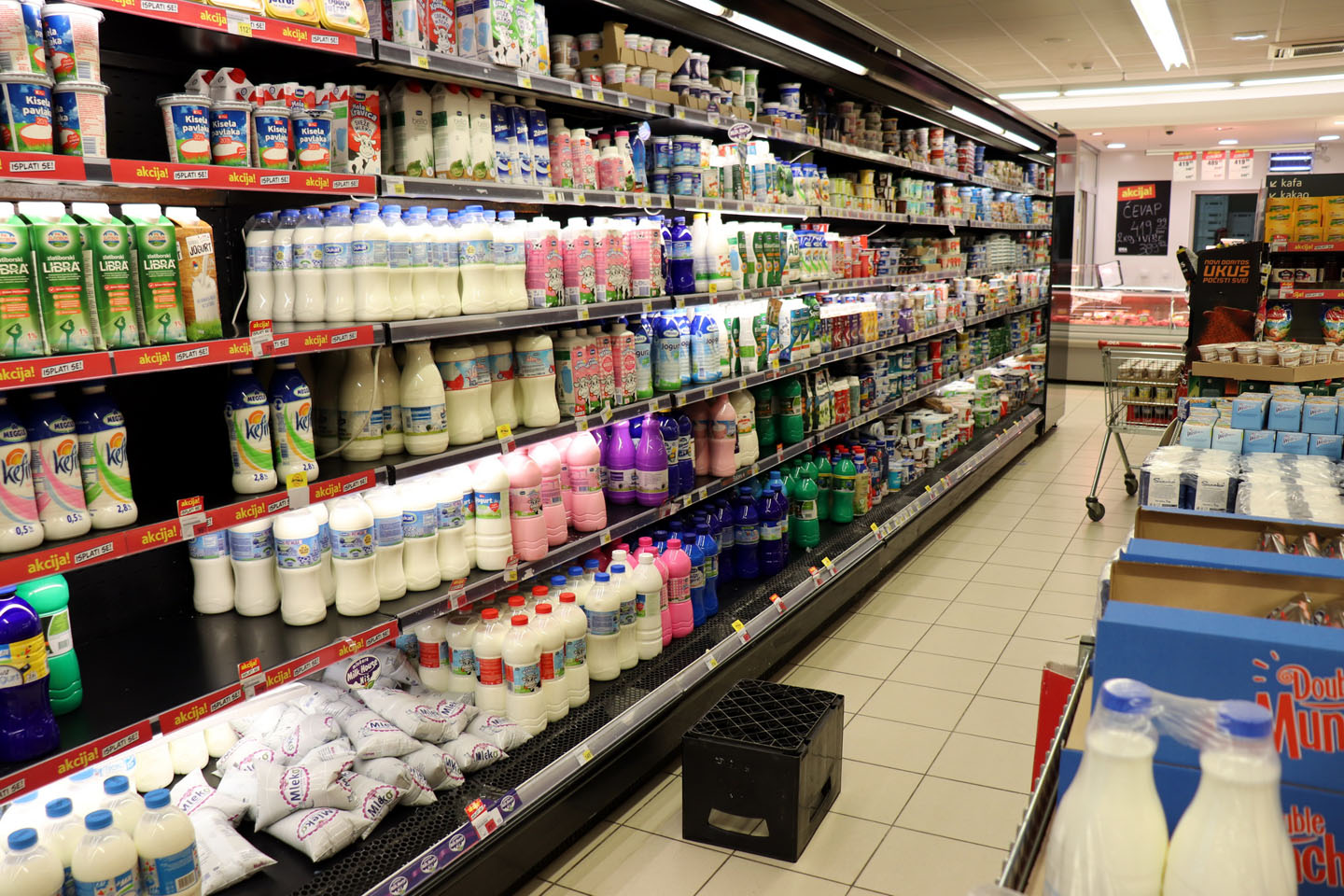
A visit to the supermarket sees shoppers swiftly snap up foodstuff and groceries with discount. All things under “buy 1 get 1 free” promotion leave only the last piece on the shelf.
To illustrate with a simple example, a particular brand of instant noodles was selling at $2.2 for a pack of five for the longest time. But one fine day the price suddenly became $2.5. A week later it shot up to $2.75. By now it was selling at $2.8 in the wet market. So when there was an online promotion at $2.2, I quickly added it to the shopping cart. I was not even a fan of instant noodles. But who knows. The price may go up to $3 next year. Who can be immune to the inflation bug?
People hoarded foodstuff and groceries during the lockdown because they were afraid that these items would be out of stock. They hoard foodstuff and groceries now because they are afraid that their prices will be out of reach soon.
Untamed inflation – what will happen next
Singapore’s July core inflation excluding accommodation and private transport was 4.8 percent – the highest in 14 years. The next month in August, it hit even higher at 5.1 percent. In July, overall inflation or consumer price index was 7 percent. Last month it climbed to 7.5 percent, matching the 14-year high in June 2008. The Monetary Authority of Singapore (MAS) and Ministry of Trade and Industry expect inflationary pressures to remain high in the coming months.
In mid-August, Deputy Prime Minister Lawrence Wong said inflation in Singapore is expected to peak in the next two to four months. End of August, OCBC’s chief economist assured us that “inflation may only peak closer to October in 2022”. Maybe a safer bet would be closer to October in 2023?
After the release of disappointing figures on Singapore’s inflation rate, what will happen next?
1. Shrinking money supply
As long as inflation rate is still going up, MAS will be compelled to tighten monetary policy again. The next round will be early next month. This is already the fifth time of monetary tightening since last October. Each round results in further reduction of money supply.
Contrary to monetary easing in the last two years, there is now less cheap money available in the market. In other words, banks which used to be flooded with money now have less cash available to lend to borrowers. Read More…