Cheap Cheese Goes Up in Price Faster Than Brie: The Arrival of Chipflation
-
 Loading...
 - Colin Drakos
- 05 Mar 2025
- 44 Views
- 0 Like
- 0 Comment
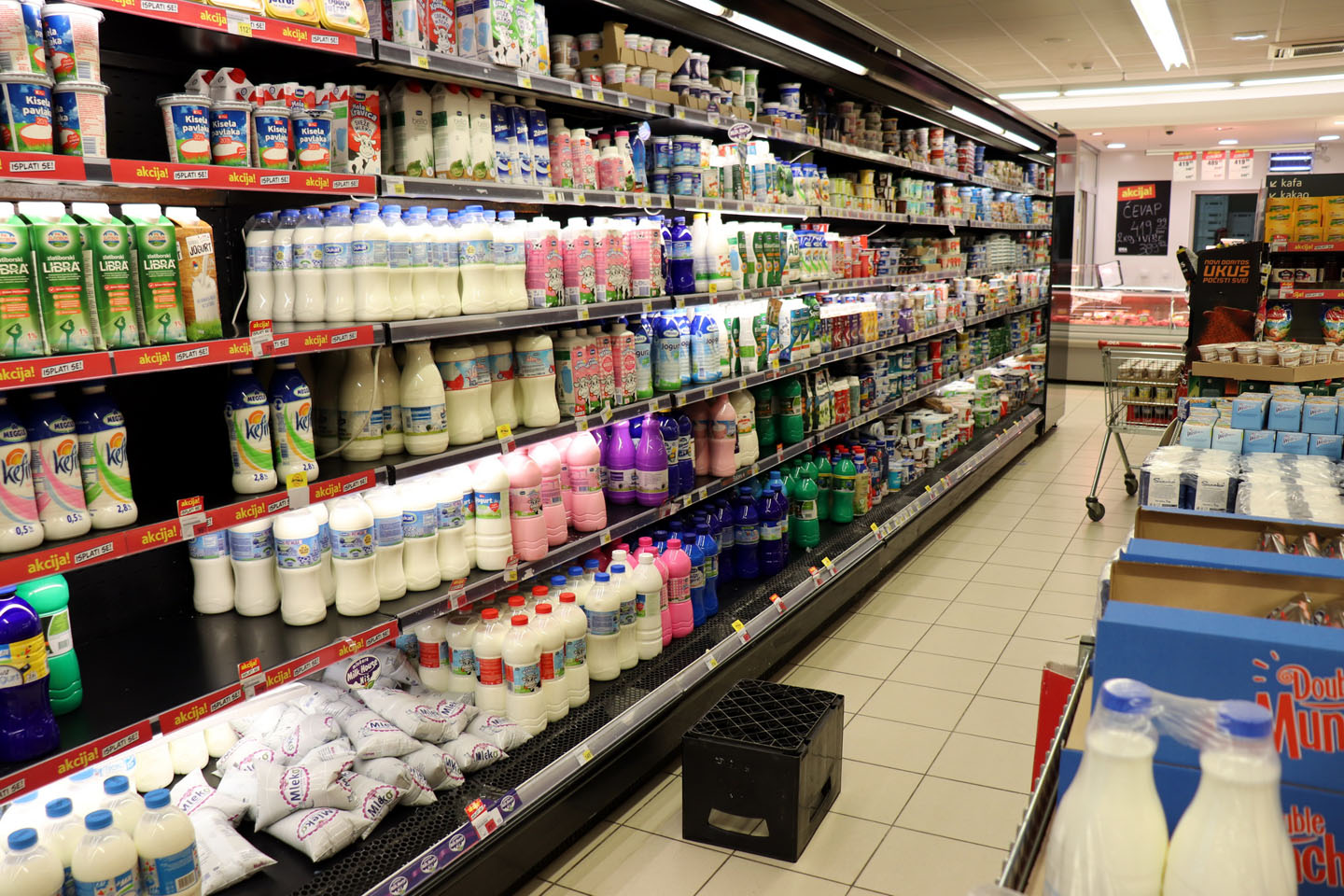
The National Bank of Serbia has recently highlighted a peculiar phenomenon in the country’s markets, revealing that the prices of cheaper domestic cheeses are rising at a significantly faster rate than those of luxury brie. This trend, dubbed "chipflation," is part of a broader set of inflationary behaviors that are reshaping consumer experiences in Serbia.
Chipflation refers to the phenomenon where the prices of lower-cost brands increase more rapidly than those of premium brands during inflationary periods. According to NBS Vice-Governor Željko Jović, an analysis conducted by the National Bank of Serbia showed that from 2022 to 2024, the cumulative price increase for cheaper food and beverage brands was five percentage points higher than that of their more expensive counterparts. This trend is particularly pronounced during times of heightened inflation.
The analysis covered 58 products, including dairy, meat, confectionery, coffee, and soft drinks, revealing an overall price increase of 37.7%. Cheaper brands saw a staggering 40% rise in prices, with two-thirds of that increase occurring in 2022 alone. In contrast, more expensive brands experienced a cumulative price increase of about 35%, with over half of that growth also happening in 2022.
In addition to chipflation, two other inflation-related phenomena are impacting the market: shrinkflation and gridflation. Shrinkflation occurs when consumers receive smaller quantities of a product for the same or higher price, effectively reducing the value of their purchase without a visible price increase. This tactic allows companies to maintain profit margins while disguising the impact of inflation.
Gridflation, on the other hand, describes a situation where retailers exploit inflation as a pretext to raise prices beyond what is justified by increased production costs. This behavior was notably prevalent during the COVID-19 pandemic, when many businesses raised prices to artificially high levels, citing the crisis as justification for their actions.
The current inflationary environment in Serbia raises questions about the long-term implications for consumers and the economy. While deflation—characterized by a general decline in prices—has not been a significant issue in Serbia, it has been a concern in other economies, such as Japan during the 1990s. Deflation can lead to reduced consumer spending and investment, ultimately stalling economic growth.
Stagflation, another economic concern, combines high inflation with high unemployment, creating a challenging environment for policymakers. This phenomenon complicates the typical economic responses to inflation, as measures to stimulate growth can exacerbate inflationary pressures.
As Serbia grapples with the complexities of chipflation, shrinkflation, and gridflation, consumers are left to navigate a market where the cost of living continues to rise, often in unexpected ways. The stark contrast between the price increases of cheap and luxury products serves as a reminder of the intricate dynamics at play in the economy. As the situation evolves, it will be crucial for consumers to remain vigilant and informed about the true costs of their purchases in this shifting landscape.