Cambodia's last leopards on brink of extinction
-
 Loading...
 - Cherry Fer
- 05 Mar 2021
- 1162 Views
- 0 Like
- 0 Comment
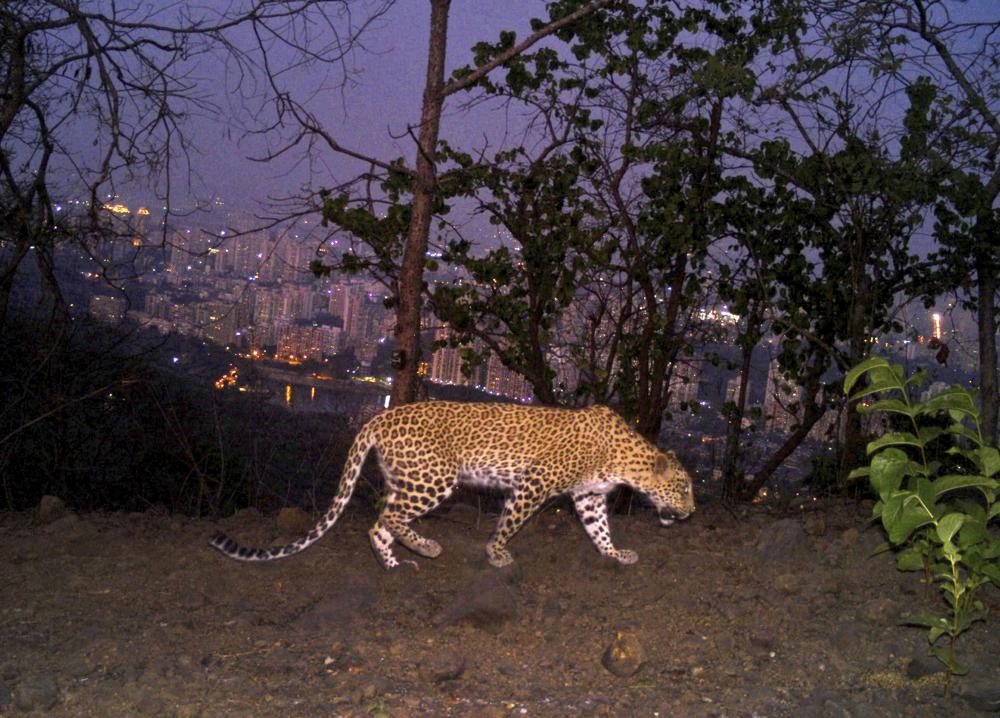
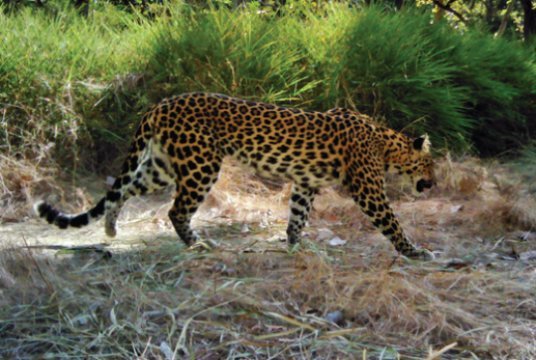
A new study has confirmed that the world's last breeding population of leopards in Cambodia is at immediate risk of extinction, having declined an astonishing 72% during a five-year period. The population represents the last remaining leopards in all of eastern Indochina -- a region incorporating Cambodia, Laos and Vietnam.
The report was published this month in the Royal Society Open Science journal by Oxford University's Wildlife Conservation Research Unit (WildCRU), Panthera -- the global wild cat conservation organization, WWF-Cambodia, the American Museum of Natural History, and the Forestry Administration of the Ministry of Agriculture Forestry and Fisheries of Cambodia.
Carried out in Cambodia's Eastern Plains Landscape, the study revealed one of the lowest concentrations of leopards ever reported in Asia, with a density of one individual per 100 square kilometers. Increased poaching, especially indiscriminate snaring for the illegal wildlife trade and bushmeat, is to blame for the dramatic decline.
Panthera Southeast Asia Leopard Program Coordinator and study coauthor, Dr. Jan Kamler, stated, "This population represents the last glimmer of hope for leopards in all of Laos, Cambodia, and Vietnam -- a subspecies on the verge of blinking out. No longer can we, as an international community, overlook conservation of this unique wild cat."
Kamler continued, "As the world gathers to celebrate World Wildlife Day this Saturday, we must band together in action, not just in words, to curb the epidemic of poaching facing this gorgeous big cat and others around the globe."
Professor David Macdonald, Director of the WildCRU and also a co-author, added "Leopards are a monument to opportunism, adapting to habitats from desert to urban jungle, but their adaptability risks a deadly complacency: people think -- "oh, leopards will be fine." They won't! Almost everywhere they are doing worse than people thought, and our findings show that in SE Asia they are heading for catastrophe."
In addition to these somber results, scientists were shocked to discover that the primary prey of leopards was banteng -- a wild species of cattle weighing up to 800 kilograms (1,760 pounds). In particular, male leopards targeted this large ungulate, making this the only known leopard population in the world whose main prey weighed greater than 500 kg (1,100 pounds), more than five times the leopard's mass.
Scientists believe the Indochinese leopards' new choice of prey was triggered by the extirpation of tigers from the region in 2009, which created a predatory void for the opportunistic and highly adaptable species.
Prompted by the study's findings, Panthera and WildCRU are working with local and national collaborators to increase effective law enforcement and monitoring of this region, which will include the use of Panthera PoacherCams, and strengthen environmental laws to develop strictly protected conservation zones and increased fines for poachers.
Historically found throughout all of Southeast Asia, the Indochinese leopard has lost 95% of its range and is likely to be classified as Critically Endangered by IUCN later this year. A separate study recently authored by WildCRU, Panthera and partners estimates just over 1,000 breeding adult Indochinese leopards remain in all of Southeast Asia. However, just 20-30 reproductive individuals remain in eastern Cambodia, representing the last hope for the leopard's future in eastern Indochina.
Poaching for bushmeat and the illegal wildlife trade, habitat loss, prey decline due to bushmeat poaching, and conflict with people are to blame, creating a deadly cocktail of threats facing leopards in Asia, and around the globe.
WildCRU scientist and lead author, Susana Rostro-Garcia, stated, "Much of the snaring in Cambodia, and across Southeast Asia, is driven by the rising demand for bushmeat. Wild landscapes are covered with thousands of snares set to catch wild pig and deer to supply bushmeat markets. Unfortunately, these snares also negatively impact many other species, with leopards and other wildlife often caught as by catch, and their valuable parts removed and sold to illegal wildlife traders."
In particular, as tiger numbers plummet due to poaching pressure, leopard skins and other body parts are increasingly coveted for use as status symbols and in traditional Asian medicines sold through the illegal wildlife trade.
This Saturday, March 3, the United Nations' World Wildlife Day will be held, in partnership with Panthera, under the banner of 'Big Cats: Predators Under Threat' to underscore the intensity of these threats and the critical need to turn the tide to save big cat species like the Indochinese leopard.