Canola Oil May Be the Key to Healthy, Hydrated Hair
-
 Loading...
 - Honza Kohout
- 17 Jun 2022
- 254 Views
- 0 Like
- 0 Comment
When I decided to go natural a few years ago, I knew that one of the biggest challenges of my hair journey would be finding the right products. The one thing I knew to turn to was natural oils. Why? Well, many nourishing hair oils such as peppermint oil, olive oil, and tea tree oil are the subject of rave reviews by experts in the haircare space. After much exploration, the one oil that kept my hair strong and healthy was canola oil. Although it came to prominence as a cooking oil, canola oil has many well-documented health and beauty benefits.1 But what is it and what does it do for our hair? Keep reading to learn all about canola oil for hair, complete with insights from haircare experts as well as a few product recommendations.
What Is Canola Oil?
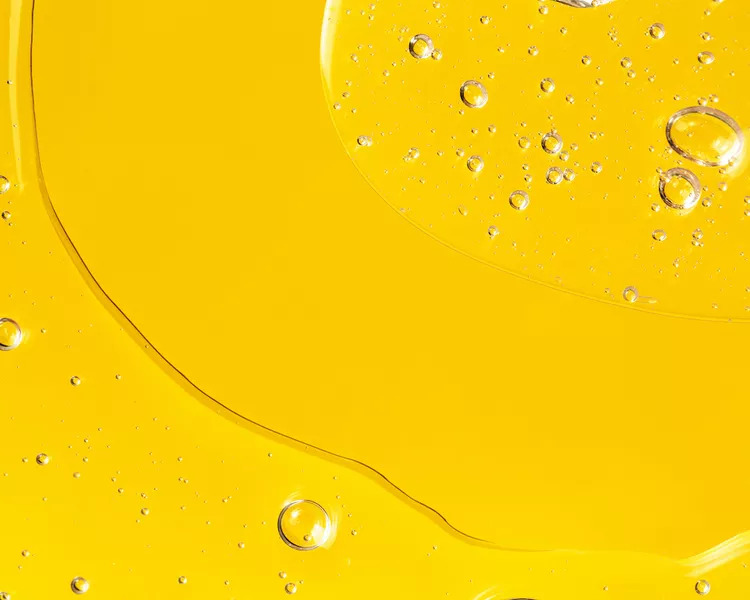
True to its name, canola oil is extracted from the canola seed, a variety of rapeseed that's low in erucic acid. It's grown primarily in the prairie regions of western Canada. Although it remains one of the most versatile and popular cooking oils to grace many pantries, it also has numerous beauty and wellness benefits and can be applied to hair, skin, and nails to moisturize and strengthen.2
Canola oil contains vitamin E, an active ingredient that has been hailed as a trusted solution for many haircare woes.3 Although canola oil boasts many hair-transforming properties, it shouldn’t be used in cases of serious hair loss. In cases like this, it’s always best to seek advice from a medical professional. In spite of this, canola oil can revive dull hair, repair hair follicles, and improve blood circulation to the scalp.
To find out what makes canola oil so beneficial to hair, we’ve sought some knowledge and expertise from trichologists Shab Reslan and Gretchen Friese, as well as medical advisor Dr. Angela Phipps and skincare expert Dr. Catharine Denning. Ahead, they share everything there is to know about canola oil and the things it can do for your hair—you can thank us later.
CANOLA OIL
TYPE OF INGREDIENT: Moisturizer and hydrator
MAIN BENEFITS: Keeps scalp and hair healthy, promotes hair growth, prevents dryness
WHO SHOULD USE IT: In general, canola oil can be used on all hair types due to its lightweight texture.
HOW OFTEN TO USE IT: One to two times a week
WORKS WELL WITH: Other moisturising oils like coconut oil, olive oil, and avocado oil.
DON’T USE WITH: No known contradictions—however, be aware that canola oil is a vegetable oil, so discuss with your doctor before use if you have any allergies.
Benefits of Canola Oil for Hair
Don't let canola oil's widespread availability and prevalence in the kitchen fool you: This unassuming ingredient may be one of the best ways to improve your hair health. This oil has an impressive amount of benefits, and moisturizing your hair with it can lead to improvement all around.
Promotes hair growth: ‘’Canola oil greatly benefits the hair and scalp, thanks to its fatty acid content,’’ Reslan says. ‘’It contains a high percentage of oleic acid—60%—and 20% linoleic acid. Linoleic acid is lightweight in texture and is great for moisturizing the scalp and stimulating hair growth.’’
Moisturizes and softens the hair: Hair needs a balance of moisture and protein to flourish. Moisture helps retain hair’s elasticity. Without it, hair can become dry, brittle, and at risk of breakage. When detangling, styling, or performing any other type of manipulation, soft, supple, and moisturized hair is key. ‘’Canola oil can moisturize and soften the hair,’’ Friese says.
Prevents dandruff: Canola oil can be helpful in treating and preventing dandruff, an effect that can help avoid related issues, as well. Severe dandruff can cause a person to scratch their scalp so hard that they might injure it and/or cause repeated inflammation in the hair follicles, which can reduce or even stop hair growth.4 Friese agrees with the power of canola oil, adding that it also ‘’contains anti-inflammatory compounds.’’
Minimizes hair loss: ‘’Consuming vitamin E, as well as applying it topically, can minimize oxidative stress on the scalp so your hair can grow properly,’’ Friese says. Reslan also agrees with canola oil’s ability to rejuvenate hair. ‘’Vitamin E is one of the most essential antioxidants for healthy hair growth, as it works to minimize hair loss,’’ she says.
Can provide UV protection: Most of us link sun damage to skin, but hair can also be damaged by the sun’s UV rays. Although experts question whether SPF is necessary for hair, being aware of the potential impact those warmer days can have is important. Friese says that even though the oil your hair naturally produces can protect it from the sun, canola oil ‘’may be helpful in providing UV protection.’’
Increases shine: Saturated and unsaturated fatty acids make up 85% of hair’s lipid content. Lipids are responsible for increasing and influencing shine in hair.5 ‘’Canola oil can calm down frizz and create shine,’’ Friese says. Read More...