Cellular Repair and Regeneration: The Future Of Skincare
-
 Loading...
 - Josef Horacek
- 17 Jun 2022
- 234 Views
- 0 Like
- 0 Comment
You may have heard the age-old saying that beauty is only skin-deep. Considering the complexity and function of our skin’s extracellular matrix, that creates a whole new meaning to the term. But how pivotal is focusing on repairing our cells to a healthy complexion? What impact do our genetics and other influences have in swaying the cellular cycle of our skin?
Ahead, experts share how our cells affect the behavior and appearance of our skin and some approaches to consider when future-proofing our complexion.
Our Skin Cells
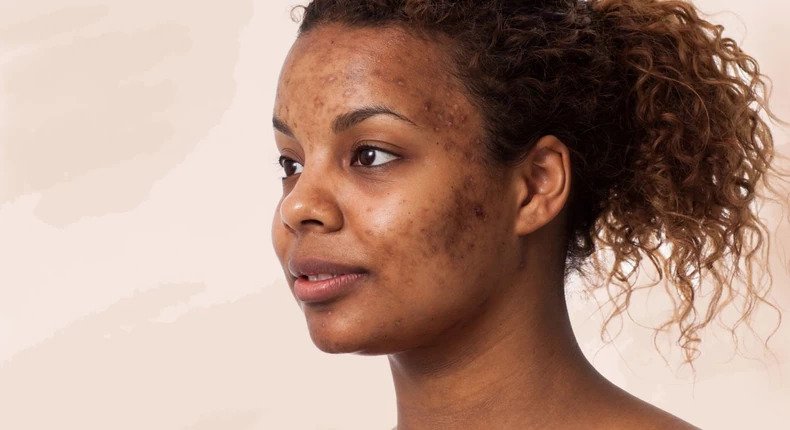
Like any living organism, our skin is made up of billions of cells that help it on the surface to function optimally.1 Our skin cells are the cornerstone of the human body, intricately woven together, with different functions. Elastin, collagen, proteins, and proteoglycans join to form what is more commonly known as the epidermis, dermis, and subcutaneous layers of the skin.2 When these cells become damaged through various factors (like environmental, lifestyle, nutritional, or physical stressors), it can cause an imbalance in our skin’s ecosystem.3 This may result in our skin reacting visibly with changes like inflammation, pigmentation, premature aging, dehydration, redness, or dryness.
Genetics and Cellular Repair
As individuals, we are all unique, and we can also say this for the genetic makeup of our skin and how our cells behave. "Genetics influence our skin's behavior, the size of oil glands, lipid content, and melanin richness, all these factors play a role in the way that the skin responds," Ziad Halub, the Founder of Supper Club Skincare, says. "Skin conditions, like pigmentation, can be heavily influenced by our genetic coding. Skin color affects how the skin protects itself against UV damage. All skin types experience photoaging, but different ethnic groups have different mechanisms to deal with photodamage more successfully than others. " Ultimately, often underplayed, genetics play an important part in the formula for optimal skin health.
Eat an antioxidant-rich diet and apply antioxidants topically to the skin to help against free-radical damage
Lifestyle Influences
Genetics isn't the only significant influence when considering the restoration of the skin's matrix, and lifestyle factors are also contributors.4 "Our appearance is reflected in the quality of our whole lifestyle," explains Professor Bader, Founder of Augustinus Bader. "Epigenetic science tells us that how we age is dependent on 30 percent of our genes and 70 percent on what we do with them."
Bader also adds that lifestyle factors comprise diet, sleep, exercise, and geography. "These factors can eventually cause chemical modifications around the genes that will turn those genes on or off over time," he says. As Bader outlines, the genes in our skin are permanent, but we can influence the way they behave and function, and when we nourish and support our bodies, our skin can become the best version of itself.
Repair Versus Regeneration
So, if prioritizing a balanced and healthy complexion, you may be wondering if you should focus on repair or regeneration. "Cellular turnover is the consequence of cellular repair," Dr. Francessa Ferri, Head Scientist at Irene Forte Skincare, says. "It results in antioxidants counteracting the production of free radicals, induces the skin's cell viability, activates tissue regeneration, and positively influences the microRNAs linked to skin aging," she explains. According to Dr. Ferri, the key is striving for a happy medium between repair and regeneration.
Recently, experts have started exploring how high-percentage acids and potent exfoliation treatments compromise the skin as the industry strives for cellular turnover and regeneration. "Not only does high percentage acids and potent exfoliating facial treatments affect the barrier function, but it can also make the skin work harder to repair itself against damage," Halub says. "Yes, this results in higher cell turnover and can stimulate collagen production, but it also sensitizes the skin, which can increase redness, irritation, inflammation, and photosensitivity." Read More...