Castlevania: Lords Of Shadow Successfully Rebooted An Aging Series, And Its Sequel Ruined It
-
 Loading...
 - Laura McLean
- 03 Jun 2022
- 258 Views
- 0 Like
- 0 Comment
When Castlevania is discussed today--at this point far-removed from any new games in the series--we often hear about the same few retro titles. The original game paved the way for other action-platformers. Symphony of the Night influenced decades of non-linear action-RPGs, including a long line of great games on the Game Boy Advance and DS.
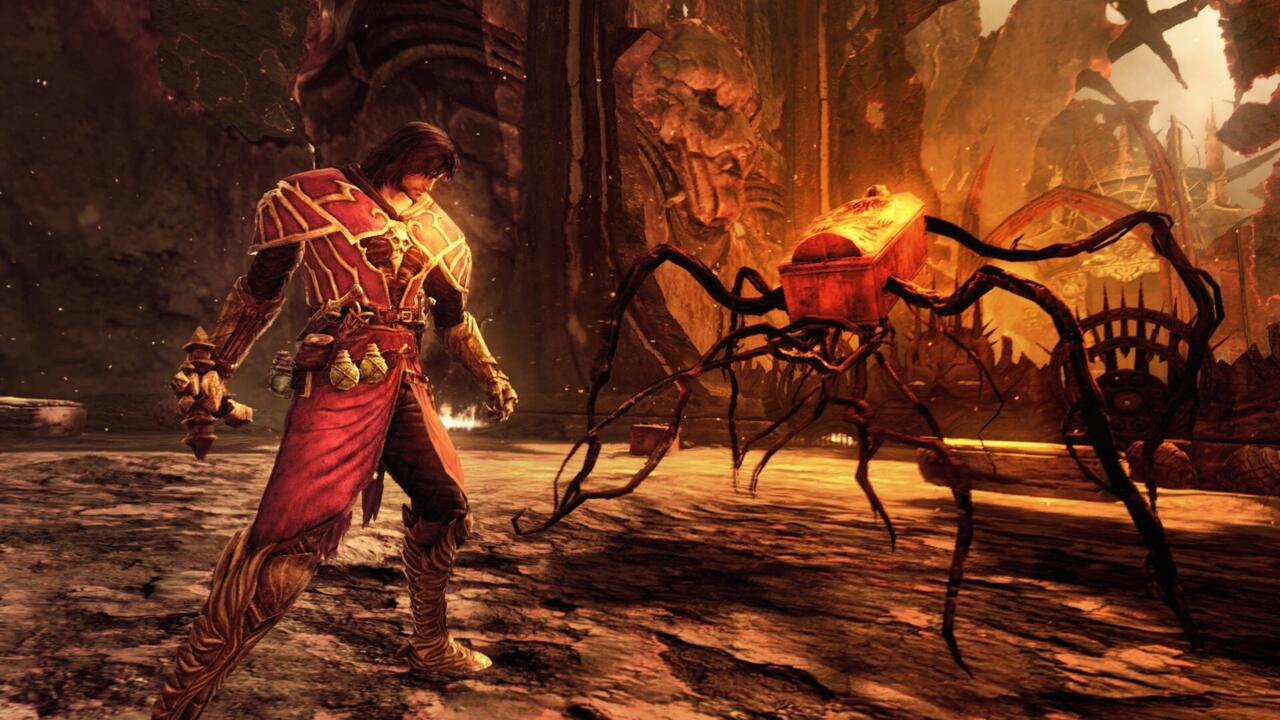
However, another game rarely discussed in these conversations, Castlevania: Lords of Shadow, was a radical departure from the series' past that drew more from Zelda and God of War than it did from Castlevania. Its departures from the series' conventions only helped make its big twist even more unexpected--and its ending was so badass that it only made Lords of Shadow 2 more disappointing.
Castlevania: Lords of Shadow works because of the series' already-long legacy when it launched, not in spite of it. Starring Gabriel Belmont--a new character whose surname is recognizable to any Castlevania fan--Lords of Shadow spends much of its lengthy playtime focused on a story that doesn't feel quite like Castlevania. Gabriel's wife Marie has died, and he's determined to complete a mission that will apparently result in her resurrection. It's a story that wouldn't be out of place in any number of action-adventure games, including a major inspiration like God of War. The trick here, however, is that developer MercurySteam wanted longtime fans to feel a little frustrated while they were playing. Sure, Gabriel had a whip, but where were the spooky bats? Where was Death? And, of course, where was Dracula?
Those players would have to stick around for an after-credits cutscene to have those questions fully answered. Zobek--a magical man voiced by Patrick Stewart who aided Gabriel for much of the game--was Death all along, albeit appearing more often as a soft-voiced narrator than as a spectral horror. And Dracula had actually been in the game too... sort of. The tormented Gabriel became Dracula, living into the modern day and adopting the name, as a result of the events of the game. But with his wife still dead, his vampiric power had become a curse, with the immortal Belmont yearning for eternal rest in place of eternal life. Zobek offered Gabriel that luxury if he would stop Satan's acolytes from resurrecting him.
A terrific little pile of secrets

Castlevania: Lords of Shadow and its 3DS sequel Castlevania: Lords of Shadow - Mirror of Fate (yes, it's a bad name) both play on existing expectations of Castlevania lore, even regarding existing characters. In the original canon, as well as the Netflix animated series, Trevor Belmont--a vampire-hunter and Castlevania III protagonist--and Dracula's son Alucard are separate people. They're often together, and occasionally battle each other. This isn't the case here--via Mirror of Fate's reverse-chronological story, we learn Trevor became Alucard after being killed by Dracula, who just so happened to be his father. Dracula only realized this as Trevor drew his last breaths, and the son woke as a vampire on a personal mission to destroy Dracula. It's a twist that subverts our expectations while also feeling in line with the previous version of Alucard, and it gives more emotional weight and meaning to the young vampire's mission.
Both of these games were setting the stage for an incredible finale--for a game that would see Dracula fight the literal Satan, cure his immortality, and die knowing that he had redeemed himself, reverting from prince of darkness to the brave warrior who loved his family he had once been. He would finally team up with Alucard to fight a common enemy, with father and son conquering their personal demons while slaughtering an army of literal ones. Read More…