Challenges and Criticisms of Ecuador IMF 2024 Agreement
-
 Loading...
 - Hannele Kivi
- 16 Dec 2024
- 64 Views
- 0 Like
- 0 Comment
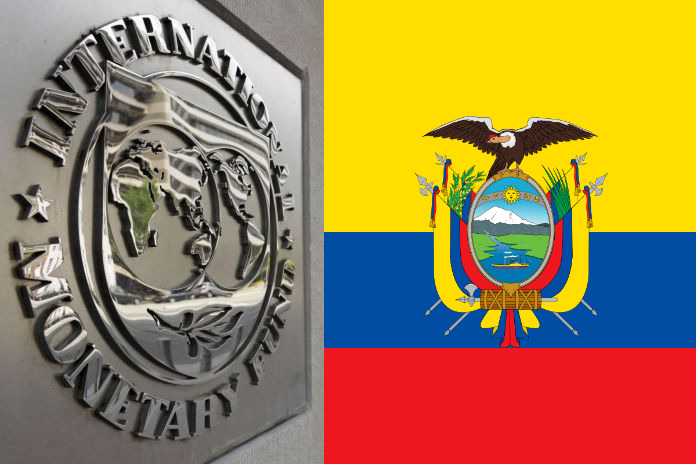
Ecuador's recent staff-level agreement with the International Monetary Fund (IMF) marks a significant step in the country's efforts to stabilize its economy and implement necessary reforms. However, this agreement is not without its challenges and criticisms, as various stakeholders express concerns about the implications of the proposed measures.
The IMF agreement aims to address fiscal imbalances, promote sustainable growth, and enhance social protection measures. Key components include fiscal consolidation, tax reforms, and structural reforms to improve the investment climate and public expenditure management. While the agreement is intended to bolster investor confidence and support economic recovery, it has faced scrutiny from various sectors.
Challenges Faced
1. Political Stability: One of the primary challenges to the successful implementation of the IMF agreement is the political landscape in Ecuador. The government must navigate potential opposition from various stakeholders, including political parties, civil society, and labor unions. Resistance to austerity measures and reforms may hinder progress and create instability.
2. Public Sentiment: The proposed economic reforms, particularly those involving austerity measures, may lead to public discontent. Citizens who have already faced economic hardships may resist changes that they perceive as detrimental to their livelihoods. Effective communication and transparency regarding the long-term benefits of the reforms will be crucial to gaining public support.
3. External Economic Factors: Ecuador's economic recovery is also vulnerable to external factors, such as fluctuations in global commodity prices and trade dynamics. The country relies heavily on oil exports, and any downturn in global oil prices could significantly impact its revenue and economic stability.
Criticisms of the Agreement
1. Social Impact: Critics argue that the IMF's focus on fiscal consolidation and austerity measures may disproportionately affect vulnerable populations. Social protection measures included in the agreement may not be sufficient to mitigate the negative impacts of economic adjustments on low-income households. Activists and social organizations are calling for more robust safety nets to protect those most affected by the reforms.
2. Lack of Comprehensive Reforms: Some experts believe that the agreement does not go far enough in addressing the structural issues within Ecuador's economy. While the focus on fiscal discipline is important, critics argue that without comprehensive reforms targeting corruption, inefficiency, and economic diversification, the country may struggle to achieve sustainable growth.
3. Dependency on External Assistance: There are concerns that Ecuador's reliance on IMF assistance may create a cycle of dependency, limiting the government's ability to implement independent economic policies. Critics argue that this could undermine national sovereignty and hinder the development of homegrown solutions to the country's economic challenges.
Ecuador's IMF 2024 agreement represents a critical step towards addressing the country's economic challenges and promoting stability. However, the path forward is fraught with challenges and criticisms that must be carefully navigated. Ensuring political stability, addressing public sentiment, and considering the social impacts of the proposed reforms will be essential for the successful implementation of the agreement. As Ecuador moves forward, the commitment to reform and the ability to balance fiscal discipline with social responsibility will be crucial for achieving lasting economic recovery and growth.