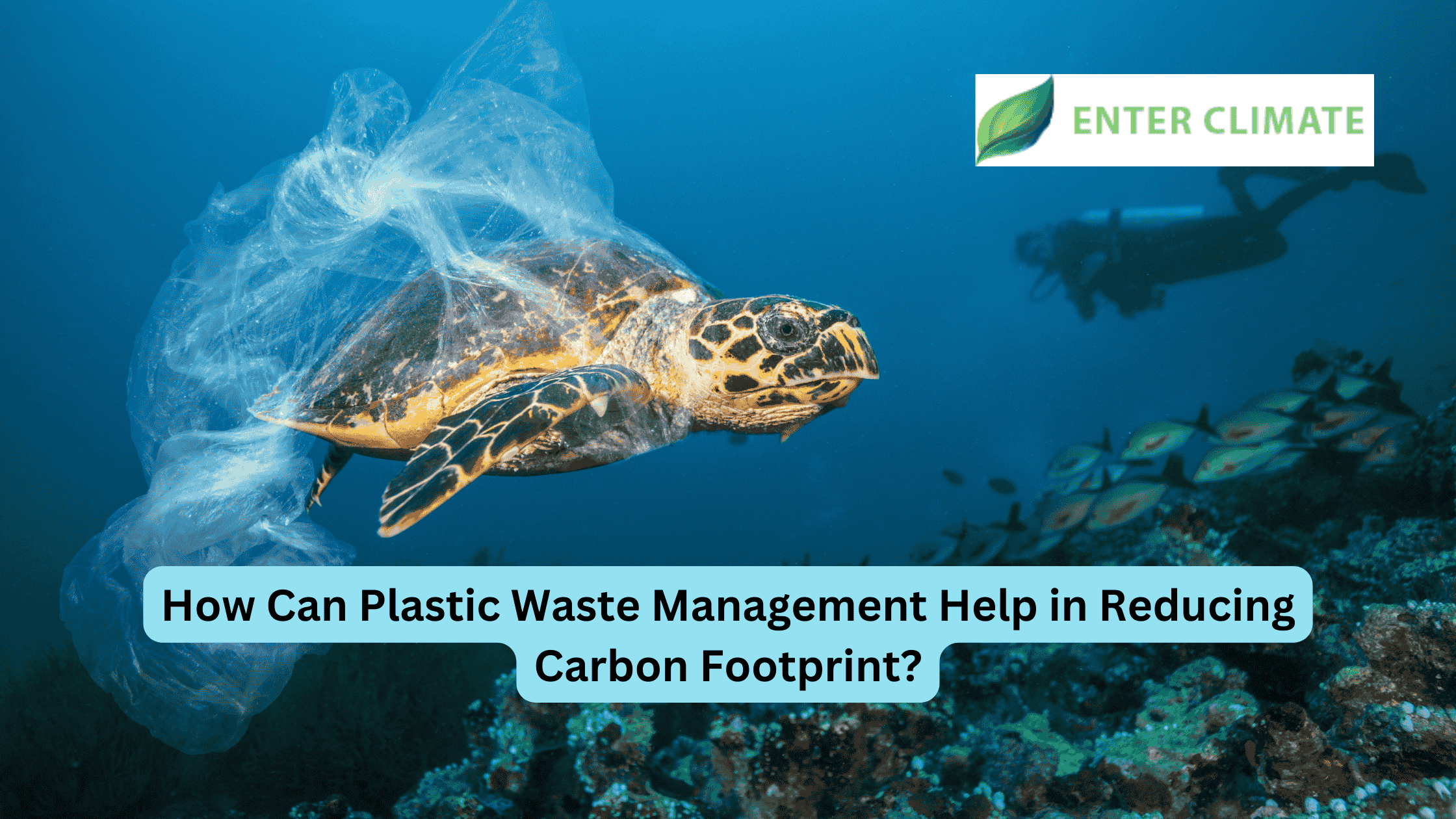
How Can Plastic Waste Management Help in Reducing Carbon Footprint?
-
 Loading...
 - Gaurav Sharma
- 16 Dec 2024
- 86 Views
- 0 Like
- 0 Comment
Discover how plastic waste management can help reduce carbon emissions and its impact on climate change in India. Learn sustainable practices to lower your carbon footprint.
Plastic waste management plays a crucial role in reducing the overall carbon footprint of individuals, businesses, and nations. The environmental consequences of plastic waste are vast, but effective management practices can significantly lessen their impact on climate change. In India, where plastic waste is a growing concern, understanding how waste management processes reduce carbon emissions is vital.
1. Reduction in Landfill Waste
One of the primary benefits of plastic waste management is the reduction of waste sent to landfills. Plastics are non-biodegradable, and their prolonged presence in landfills leads to the release of harmful methane gases—a major greenhouse gas that contributes to global warming. By recycling plastic waste or converting it into new products, less plastic ends up in landfills, reducing methane emissions and contributing to a smaller carbon footprint.
Recycling plastic instead of sending it to landfills decreases the need for additional space and resources to manage waste. As a result, fewer greenhouse gases are produced during the landfill decomposition process, benefiting both local environments and the global climate.
2. Energy Savings from Recycling Plastic
Recycling plastic uses considerably less energy than producing new plastic from raw materials like petroleum. The production of plastic from virgin raw materials involves energy-intensive processes such as extraction, refining, and polymerization. These activities contribute heavily to carbon emissions.
When plastics are recycled, the energy required for producing new plastic is reduced significantly. According to a study by the Environmental Protection Agency (EPA), recycling plastic uses up to 66% less energy than creating new plastic. This energy saving translates to a reduction in the carbon footprint of manufacturing, especially when recycled plastic is used to produce goods like bottles, bags, or containers.
3. Reduction in Carbon Emissions from Incineration
Many plastic waste materials that aren’t recycled end up being incinerated in waste-to-energy plants. While this process generates energy, it also releases significant amounts of carbon dioxide and other harmful pollutants into the atmosphere. By reducing the amount of plastic waste incinerated, the overall emissions from this process decrease.
By diverting plastic waste from incineration through recycling and reuse, carbon emissions are reduced. Moreover, by improving waste segregation and recycling infrastructure, plastic waste can be managed more efficiently, decreasing the dependence on incineration as a waste disposal method.
4. Sustainable Alternatives to Virgin Plastic
Plastic waste management encourages the development of alternative materials and the use of recycled plastics. For instance, instead of using virgin plastic derived from fossil fuels, businesses can opt for recycled plastics or bioplastics, which are more environmentally friendly and have a lower carbon footprint.
The production of bioplastics is generally less energy-intensive than that of traditional plastics. Bioplastics are often derived from renewable sources such as corn or sugarcane, and their use significantly reduces the carbon footprint of products that would typically be made from fossil fuel-based plastics.
5. Promoting Circular Economy Practices
Plastic waste management supports the concept of a circular economy, where products are reused, remanufactured, and recycled to minimize waste and reduce the consumption of new raw materials. The circular economy model is designed to close the loop of product lifecycles through greater resource efficiency, which lowers the demand for extracting raw materials.
By embracing this model, businesses and industries can reduce the carbon footprint associated with the extraction and processing of virgin resources. In this way, plastic waste management helps foster sustainable practices and ensures that fewer natural resources are consumed, leading to lower carbon emissions.
6. Community and Industry-Level Impact
In India, where plastic waste is a significant issue, community-driven initiatives to reduce plastic waste, such as collection drives and awareness programs, can have a large-scale impact on reducing carbon emissions. By promoting proper plastic waste management practices, local communities contribute to reducing plastic waste and lowering carbon footprints at a grassroots level.
Additionally, industries that adopt efficient waste management practices contribute to the reduction of their operational carbon footprints. Recycling programs and sustainable plastic use reduce the need for manufacturing new plastic products, leading to lower emissions from production processes.
Conclusion
Effective plastic waste management is more than just an environmental necessity—it is an essential strategy in the fight against climate change. By reducing landfill waste, saving energy, and promoting recycling, businesses and individuals can significantly reduce their carbon footprints. As India continues to grapple with the challenges posed by plastic waste, sustainable plastic waste management practices will play an increasingly important role in ensuring a greener, more sustainable future.
FAQs
1. How does recycling plastic reduce carbon emissions?
Recycling plastic uses less energy compared to manufacturing new plastic from raw materials. This reduction in energy consumption helps decrease carbon emissions, which in turn lowers the overall carbon footprint.
2. How can businesses contribute to plastic waste management?
Businesses can reduce their carbon footprints by adopting recycling programs, using recycled plastics, and minimizing plastic waste. Sustainable packaging alternatives, like bioplastics, can also reduce emissions.
3. What are the benefits of a circular economy in plastic waste management?
A circular economy promotes recycling and reusing materials, reducing the need for new resources. This leads to less waste, fewer emissions, and a smaller carbon footprint in the manufacturing process.


