Challenges Await Algerian President Tebboune in His Second Term
-
 Loading...
 - Chantel Jonkers
- 11 Oct 2024
- 48 Views
- 0 Like
- 0 Comment
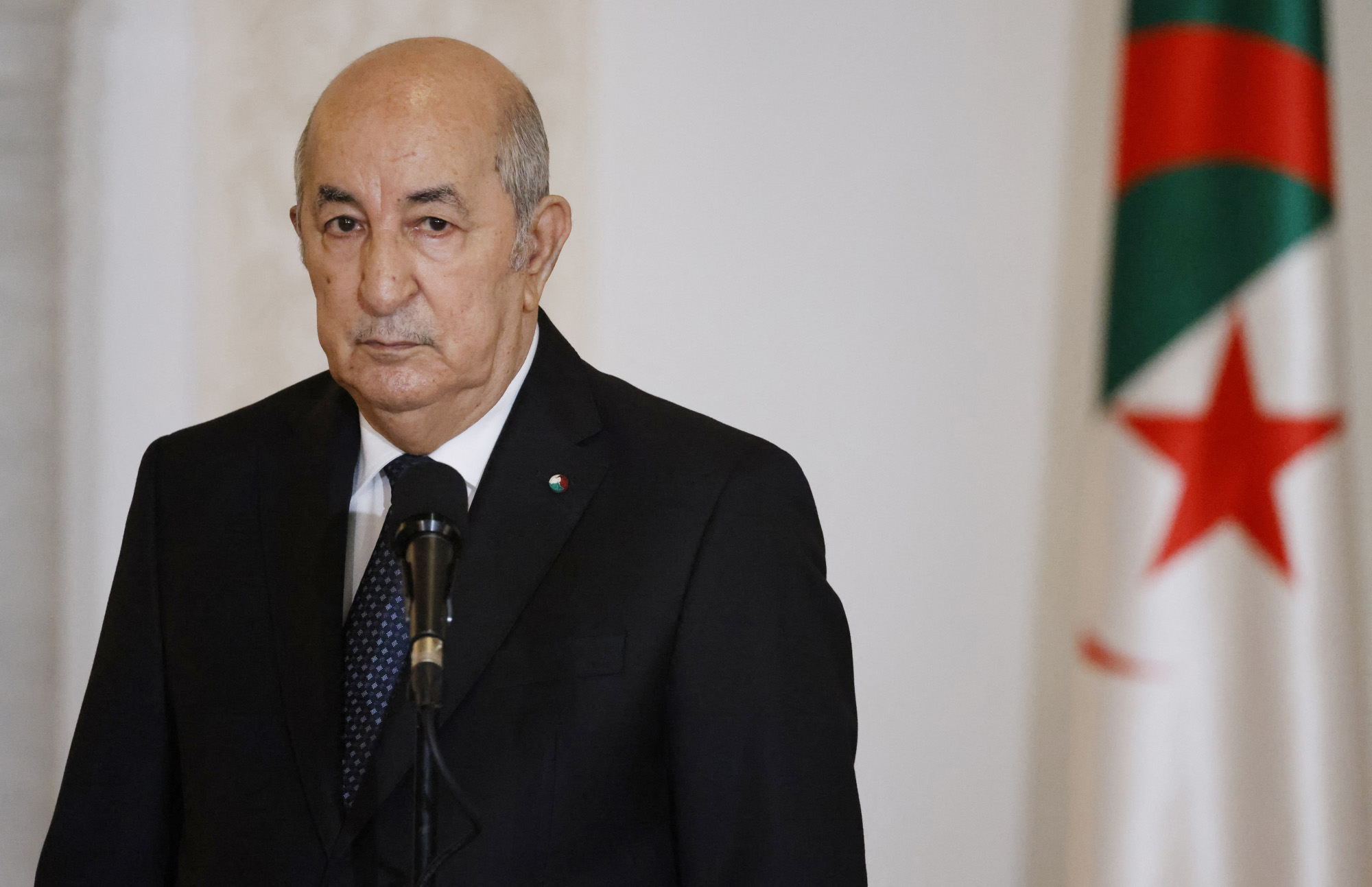
Abdelmadjid Tebboune has secured a second term as Algeria's president, but he faces a series of formidable challenges both domestically and internationally. Despite winning re-election with a significant majority, questions about voter turnout and legitimacy may complicate his efforts to address pressing issues.
One of the most significant challenges Tebboune faces is the lack of civic participation and the erosion of civil liberties. During his first term, Algerian civil society was significantly weakened, with numerous associations, media outlets, and human rights organizations being shut down. Many activists from the Hirak movement, which played a crucial role in ending former President Abdelaziz Bouteflika's rule, were forced into exile or imprisoned.
To foster civic engagement and address the disillusionment among Algerians, particularly the youth, Tebboune must consider easing restrictions on civil liberties. Increasing freedoms could help alleviate the sense of despair that drives many young Algerians to emigrate, often through irregular migration to Europe.
Improving living conditions in a post-COVID-19 economic landscape is another critical challenge. Algeria faces high inflation, declining purchasing power, and an unemployment rate exceeding 10%. While Tebboune's administration has introduced subsidies and unemployment benefits, more comprehensive economic reforms are needed to convince the youth to remain in the country.
Tebboune has pledged to diversify the economy, create jobs, and increase public sector salaries, relying heavily on oil and gas revenues. However, the success of these initiatives will depend on global energy prices and Algeria's ability to manage its growing domestic consumption.
On the international front, Tebboune has worked to restore Algeria's diplomatic presence, focusing on regional crises such as Palestine, Western Sahara, the Sahel, and Libya. While Algeria has made strides in some areas, challenges remain, particularly in the Sahel and Western Sahara.
In Mali, the collapse of the Algiers Accords and the involvement of the Russian mercenary Wagner Group have complicated Algeria's efforts to maintain stability along its border. Additionally, Algeria's relations with European partners like Spain and France remain strained over their support for Morocco's autonomy plan for Western Sahara.
President Tebboune's second term will be defined by his ability to address these domestic and foreign challenges. Restoring civic participation, improving economic conditions, and navigating complex regional dynamics will be crucial for his administration's success. Ultimately, Tebboune's leadership in calming regional tensions and addressing internal discontent will determine the legacy of his presidency.