Ecuador's President Noboa Faces Mounting Challenges to Reelection
-
 Loading...
 - Edrice Sabry
- 10 Oct 2024
- 57 Views
- 0 Like
- 0 Comment
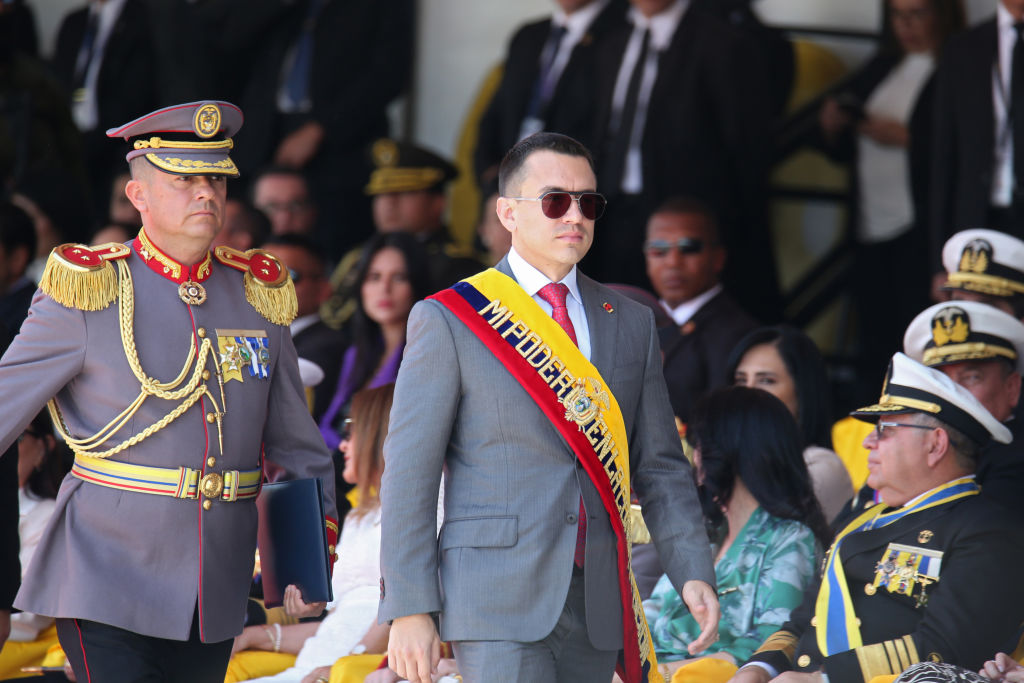
Ecuadorian President Daniel Noboa's chances of winning the 2025 presidential election are being threatened by a series of challenges, including escalating crime, an energy crisis, and a stagnant economy. Despite his initial strong lead in the polls, Noboa's popularity has taken a hit due to the country's recent electricity blackouts, which have affected voters nationwide.
Crime remains a major concern for Ecuadorians, with homicides still at historically high levels despite Noboa's tough-on-crime stance. While the government has made some progress in reducing violent crime, the results have been slow and vary by region. Any worsening of the security situation or a major violent incident before the election could severely impact voter sentiment and open the door for other candidates.
The energy crisis, caused by a severe drought that has reduced hydroelectric power generation, has led to widespread blackouts and frustration among voters. The government's response to the crisis has been criticized for being slow and poorly coordinated, and Noboa's earlier promise of "no more blackouts" now seems like a broken promise. The economic impact of the blackouts is severe, with each 8-hour power outage estimated to cost the private sector approximately $96 million.
The economy is also slowing down, with the IMF projecting growth of just 0.1% for this year. While Noboa's agreement with the IMF has stabilized public finances, it has not spurred significant economic growth ahead of the election. Meaningful improvements depend on major economic reforms that are unlikely to materialize until a new government takes office in May 2025.
Despite these challenges, Noboa remains the favorite in the 2025 election, although his lead is narrowing. Other candidates, such as Luisa González and Jan Topic, are gaining ground, making the race more competitive than expected. If Noboa is reelected with a weak mandate and minimal congressional representation, Ecuador may face continued political fragmentation and instability, further delaying much-needed political and economic reforms.