Chernobyl black frogs reveal evolution in action
-
 Loading...
 - Omari Hussein
- 05 Oct 2022
- 69 Views
- 0 Like
- 0 Comment
The accident at reactor four of the Chernobyl Nuclear Power Plant in 1986 generated the largest release of radioactive material into the environment in human history. The impact of the acute exposure to high doses of radiation was severe for the environment and the human population. But more than three decades after the accident, Chernobyl has become one of the largest nature reserves in Europe. A diverse range of endangered species finds refuge there today, including bears, wolves, and lynxes.
Radiation can damage the genetic material of living organisms and generate undesirable mutations. However, one of the most interesting research topics in Chernobyl is trying to detect if some species are actually adapting to live with radiation. As with other pollutants, radiation could be a very strong selective factor, favoring organisms with mechanisms that increase their survival in areas contaminated with radioactive substances.
Melanin protection against radiation
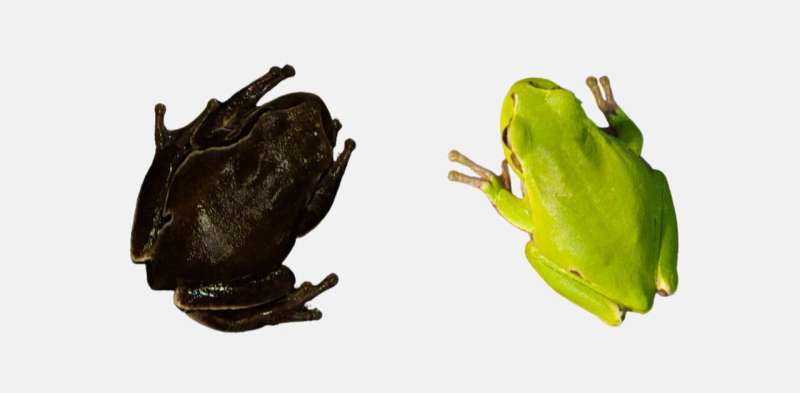
Our work in Chernobyl started in 2016. That year, close to the damaged nuclear reactor, we detected several Eastern tree frogs (Hyla orientalis) with an unusual black tint. The species normally has a bright green dorsal coloration, although occasional darker individuals can be found.
Melanin is responsible for the dark color of many organisms. What is less known is that this class of pigments can also reduce the negative effects of ultraviolet radiation. And its protective role can extend to ionizing radiation too, as it has been shown with fungi. Melanin absorbs and dissipates part of the radiation energy. In addition, it can scavenge and neutralize ionized molecules inside the cell, such as reactive oxygen species. These actions make it less likely that individuals exposed to radiation will go on to suffer cell damage and increase their survival chances. Read More...