China Jails Ex-Football Head Coach for Bribery
-
 Loading...
 - Agung Hidayat
- 13 Dec 2024
- 47 Views
- 0 Like
- 0 Comment
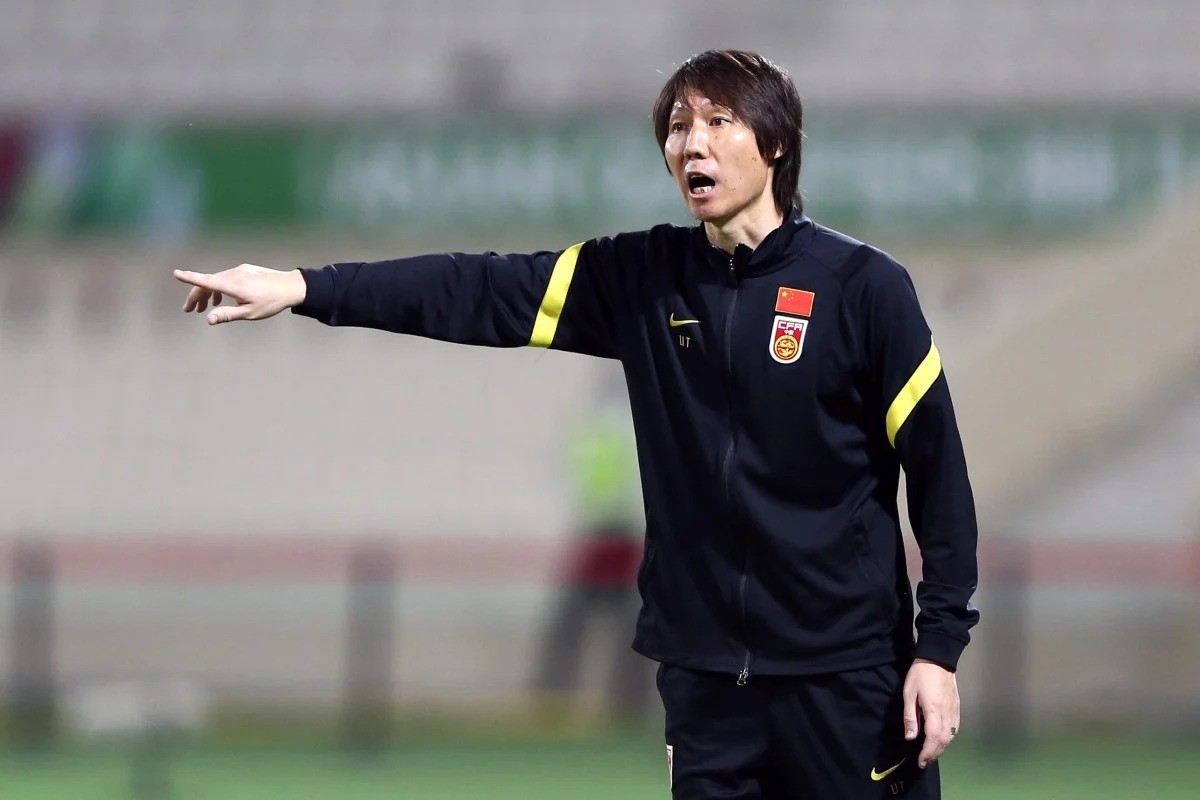
Li Tie, the former head coach of the Chinese national men's football team and a former player in the English Premier League, has been sentenced to 20 years in prison for bribery, according to state media reports. This case highlights the ongoing anti-corruption campaign led by President Xi Jinping, which has extended its reach into various sectors, including sports, banking, and the military.
Li Tie, who served as the national team's head coach from January 2020 to December 2021, confessed earlier this year to multiple offenses, including match-fixing, accepting bribes, and offering bribes to secure his coaching position. He pleaded guilty in March to accepting over $16 million in bribes, with the court stating that these activities took place from 2015, when he was an assistant coach at Hebei China Fortune Club, until his resignation as national coach in 2021.
In exchange for the bribes, Li was accused of selecting certain players for the national team and assisting football clubs in winning competitions. His case is part of a broader crackdown on corruption within Chinese football, which has seen several high-profile figures investigated and convicted.
Li's sentencing follows the recent jailing of three former officials from the Chinese Football Association (CFA) for bribery, and more than a dozen coaches and players have been under investigation. The anti-corruption campaign has been a significant focus for Xi Jinping, who has expressed ambitions to elevate China to a major football power. In 2011, he articulated his "three wishes" for Chinese football: to qualify for the World Cup again, to host the tournament, and ultimately to win the trophy.
However, the recent detentions and convictions of key football figures, including Li's former boss, former CFA president Chen Xuyuan, who was sentenced to life in prison for accepting $11 million in bribes, have posed significant setbacks to these ambitions.
This latest anti-graft campaign in Chinese football echoes a similar crackdown in 2010, which resulted in the imprisonment of several officials, national team players, and referees for corruption. At that time, Xi was serving as vice-president, and the current campaign appears to mirror the previous one, albeit with a larger financial scale involved.
Rowan Simons, author of Bamboo Goalposts, noted that while the characters may have changed, the fundamental issues remain the same, with the current environment involving "much more money."
Li Tie's conviction serves as a stark reminder of the challenges facing Chinese football as it grapples with corruption and strives to achieve its lofty goals. The ongoing anti-corruption efforts reflect a broader commitment to reform within the sport, but the recent scandals have raised questions about the effectiveness of these initiatives and the future of football in China. As the country continues to navigate these issues, the path to becoming a football powerhouse remains fraught with obstacles.