China Responds to Trump: "Stop Threatening and Blackmailing"
-
 Loading...
 - Tanit Ramses
- 16 Apr 2025
- 32 Views
- 0 Like
- 0 Comment
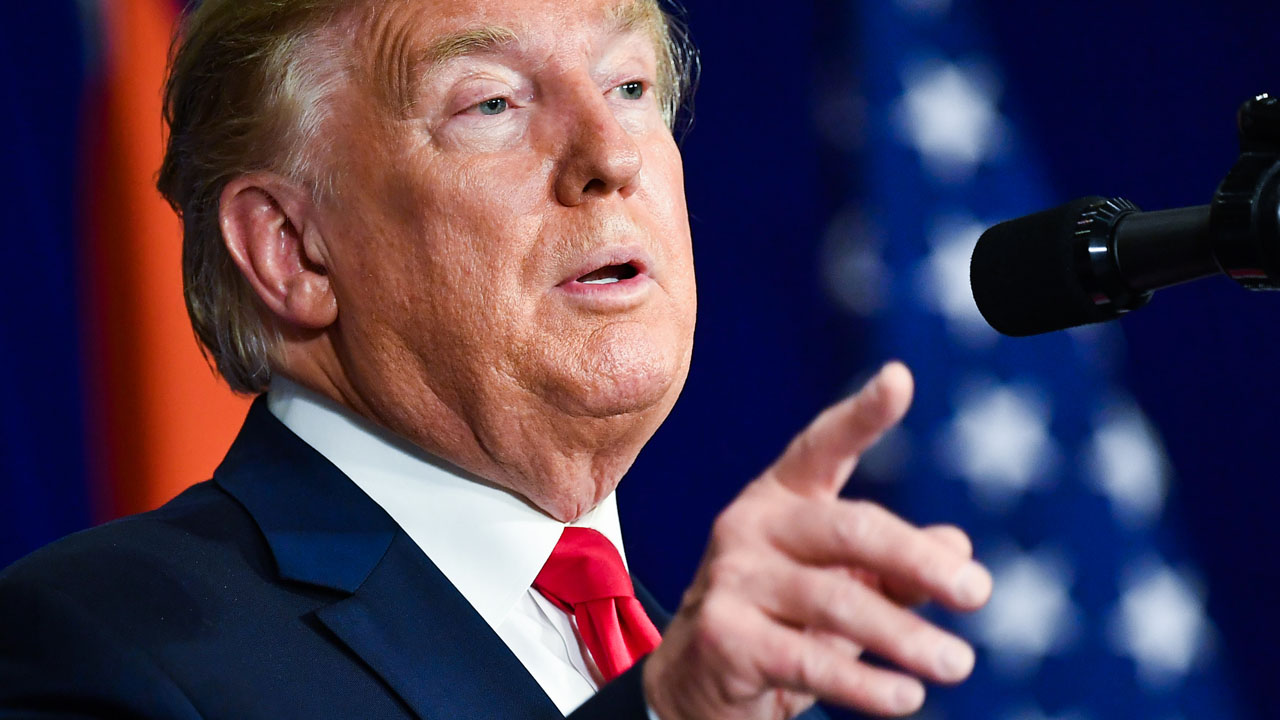
In a recent escalation of tensions between the United States and China, Beijing has urged Washington to “stop threatening and blackmailing” in light of President Donald Trump’s comments regarding the ongoing trade war. Trump has indicated that it is up to China to come to the negotiating table to resolve the conflict, which has seen significant tariffs imposed on both sides.
China's foreign ministry spokesman, Lin Jian, emphasized that if the U.S. genuinely seeks to resolve the trade issues through dialogue, it must cease exerting extreme pressure and engage with China on equal terms. Lin reiterated China’s stance, stating, “There is no winner in a tariff war or a trade war,” and added that while China does not wish to engage in conflict, it is prepared to do so if necessary.
Tariff Impacts and Economic Growth
This year, Trump has implemented an additional 145 percent tariff on many Chinese imports, compounding previous tariffs that began with a 20 percent levy over China’s alleged involvement in the fentanyl supply chain. The U.S. has also imposed a 125 percent tariff on other goods, leading to reciprocal levies from China at 125 percent on U.S. products.
Despite these tensions, China reported a surprising economic growth of 5.4 percent in the first quarter, as exporters rushed to ship goods before the new U.S. tariffs took effect. However, analysts warn that the escalating trade conflict could have detrimental effects on Chinese exports and investment in the coming months.
Global Reactions and Negotiation Efforts
As the trade war intensifies, other nations are also feeling the impact. Japan’s envoy expressed optimism for a “win-win” outcome in upcoming talks with U.S. officials, while South Korea’s finance minister emphasized the importance of negotiations to delay reciprocal tariffs and reduce uncertainty for Korean companies operating in the U.S. and global markets.
In a related development, Honda announced it would shift production of its hybrid Civic model from Japan to the United States, a decision influenced by market demand rather than a direct response to tariffs.
The ongoing trade war between the U.S. and China continues to evolve, with both sides standing firm in their positions. As Trump’s administration maintains pressure through tariffs, the potential for a resolution remains uncertain. Economists caution that the prolonged conflict could lead to broader economic repercussions, including a potential global recession. The coming months will be critical as both nations navigate this complex landscape of trade relations.