China’s Central Bank Unveils New Monetary Policy Tool: Outright Open Market Reverse Repo Facility
-
 Loading...
 - Banyu Saputra
- 28 Oct 2024
- 67 Views
- 0 Like
- 0 Comment
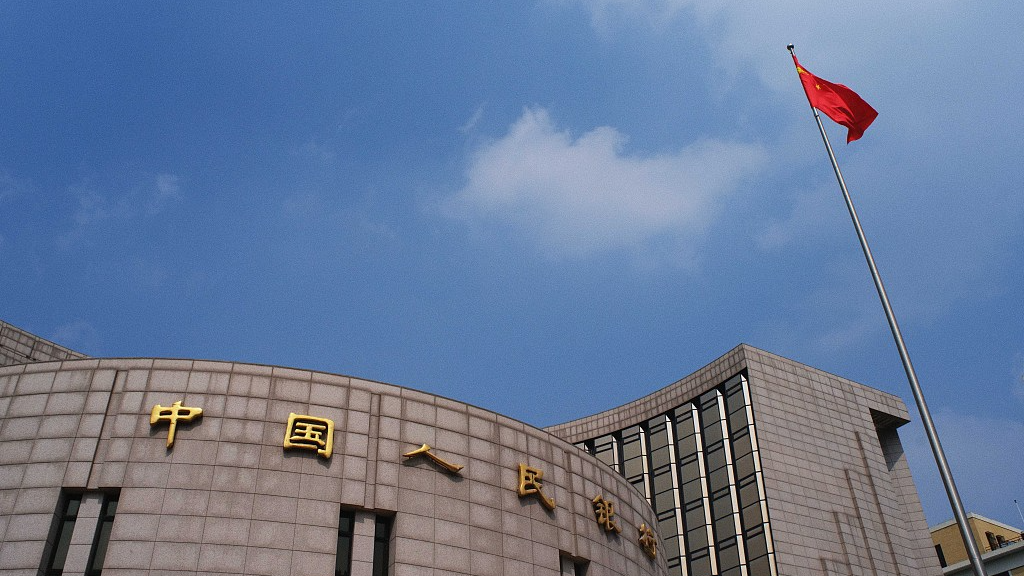
On Monday, the People's Bank of China (PBC), the nation’s central bank, announced a significant development in its monetary policy framework by launching an outright open market reverse repo facility. This new tool is designed to enhance liquidity management within the banking system and to provide the central bank with additional flexibility in its monetary policy operations.
The outright open market reverse repo facility will operate on a monthly basis, with scheduled open market operations that will feature tenors of less than one year. Specifically, the facility may include tenors of three and six months, allowing the PBC to conduct transactions that can better align with the liquidity needs of the banking sector. This initiative is part of the central bank's broader strategy to maintain a reasonable abundance of liquidity in the financial system, which is crucial for supporting economic growth and stability.
According to the PBC's statement, the introduction of this facility aims to "further enrich the central bank’s monetary policy toolbox." By doing so, the PBC seeks to strengthen cross-cyclical adjustments within a year, thereby improving its ability to manage liquidity in the open market effectively. This is particularly important in the current economic climate, where fluctuations in market liquidity can have significant implications for financial stability and economic performance.
Understanding Reverse Repos
A reverse repurchase agreement, or reverse repo, is a form of short-term borrowing in the money markets. In this arrangement, the central bank purchases bonds from financial institutions with an agreement to sell them back at a specified future date. This mechanism allows the central bank to inject liquidity into the banking system temporarily while also providing a means to manage its bond portfolio more flexibly.
The outright nature of the new reverse repo facility means that the PBC will have greater control over the bonds it acquires, allowing for more strategic management of its assets. This flexibility is expected to enhance the central bank's ability to respond to changing economic conditions and liquidity demands.
Future Monetary Policy Adjustments
In addition to the introduction of the new facility, Pan Gongsheng, the governor of the PBC, indicated at the Annual Conference of Financial Street Forum 2024 held in Beijing on October 18 that the central bank is contemplating a reduction in the reserve requirement ratio (RRR) by 0.25 to 0.5 percentage points. This potential adjustment would be contingent on market liquidity changes and is aimed at further supporting the economy before the end of 2024.
The RRR is a critical tool used by the central bank to control the amount of money that banks must hold in reserve, influencing their ability to lend. A reduction in the RRR would free up more capital for banks to extend loans, thereby stimulating economic activity.
Implications for the Economy
The introduction of the outright open market reverse repo facility and the potential RRR reduction reflect the PBC's proactive approach to managing monetary policy in a challenging economic environment. As China navigates various economic pressures, including slowing growth and external uncertainties, these measures are designed to ensure that liquidity remains sufficient to support financial stability and economic recovery.
By enhancing its monetary policy toolkit, the PBC aims to create a more resilient banking system capable of adapting to changing market conditions. This initiative is expected to bolster confidence among investors and businesses, ultimately contributing to a more stable economic outlook for China.
In conclusion, the PBC's new monetary policy tool represents a strategic move to enhance liquidity management and provide greater flexibility in its operations. As the central bank continues to monitor economic conditions, these measures will play a crucial role in shaping China's monetary policy landscape in the coming months.