
Circling a circular carbon economy
-
 Loading...
 - Magain ikbal
- 05 May 2023
- 65 Views
- 0 Like
- 0 Comment
The circular carbon economy seeks to capture and use CO2 emissions in an economically viable and environmentally friendly cycle. In this paradigm, CO2 is a carbon feedstock that is recycled into valuable products rather than becoming environmentally hazardous waste.
The chemistry of CO2 is fundamental to the development of a commercially viable circular carbon economy. However, for this to happen, molecular CO2 needs to be captured from ambient air and point sources through adsorption and desorption processes before it can be converted into useful products, such as commodity chemicals and fuels, construction materials, and plastics. These capture and conversion processes are already being explored or put to use, facilitated by pivotal technologies built to help set up a circular carbon economy.
This circular carbon economy, a vital tool for mitigating climate change, is still in its infancy, and its realization will require innovative capture and utilization processes. The laboratory chemistry underpinning such processes has to be creatively engineered, scaled, and piloted to demonstrate technical and economic feasibility, providing the information needed for an initial assessment of the commercial viability.
The Circular Carbon Market Report
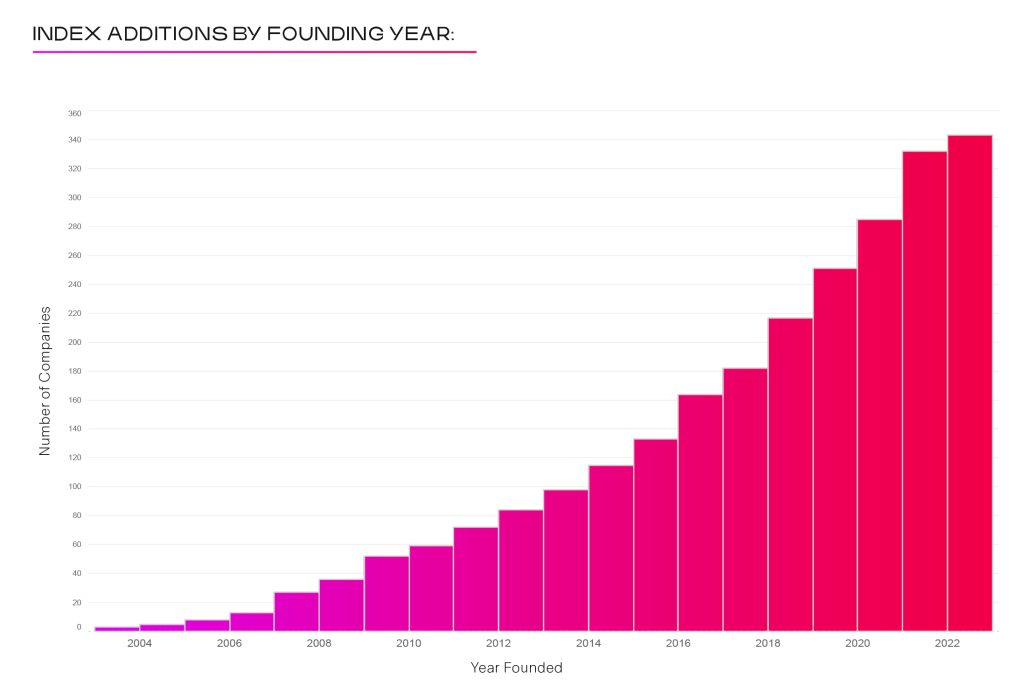
Insight into its commercial growth is available from the 2022 Circular Carbon Market Report published by the Circular Carbon Network, an XPrize initiative. It documents trends in the overall growth of the sector and its components, including the number of firms, their level of technological readiness, revenue and investment, as well as uses of the captured CO2. Read More…