Scientists plan to eliminate RVF in livestock
-
 Loading...
 - Hope Atubo
- 05 May 2023
- 73 Views
- 0 Like
- 0 Comment
In cattle and other animals, Rift Valley Fever (RVF) causes abortion to the foetus and usually it leads to high rates of death in calves.
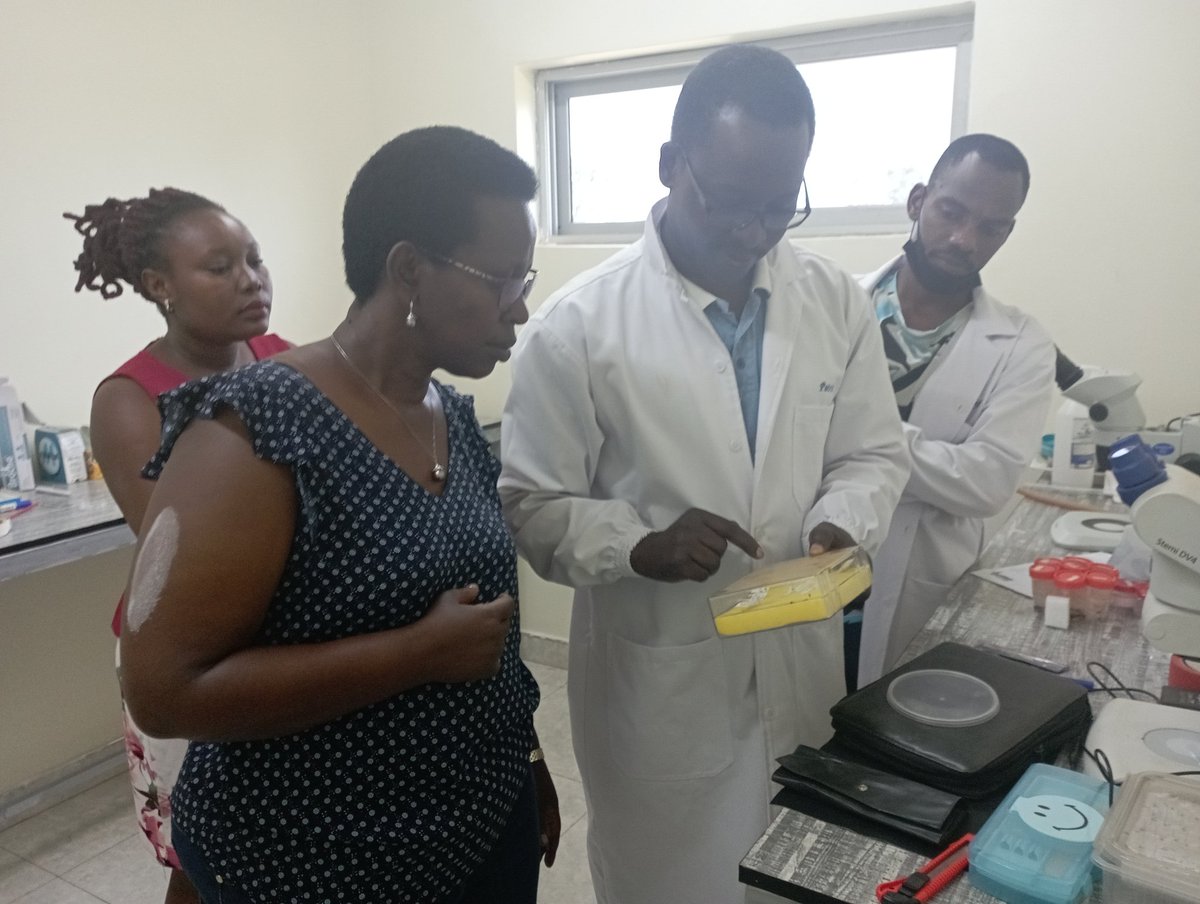
It is early morning and a team of scientists are heading to the National Livestock Resources Research Institute (NaLIRRI) to interact with scientists who are being visited by stakeholders on a fact finding mission. During the course of the interaction one of the interesting technologies which the donor stakeholders were amazed of is the Insectary Laboratory were scientists have confined mosquitos spreading Rift Valley Virus in animals and humans.
Rift Valley Fever (RVF) is a viral disease most commonly seen in domesticated animals in sub Saharan Africa, such as cattle, buffalo, sheep, goats and camels. Human beings can get RVF through contact with blood, body fluids or tissues of infected animals or through bites from infected mosquitoes. In livestock, RVF infections are characterised by sweeping abortion storms in female animals and up to 100 percent mortality in calves.
RVF occurrences are prevalent in the animal husbandry sector in Uganda, the reason scientists at NaLIRRI, Nakyesasa are conducting research studying the characteristics of the mosquitoes spreading the virus in a bid for farmers to use the right insecticides to eliminate them.
Background
The primary reservoir and vector for RVF is the Aedes mosquito though it can be transmitted by other mosquitoes such as Anopheles and Culex.
These mosquitos can lay infected eggs that can stay in the soil for a long period in dry conditions and hatch during wet months into infected mosquitoes. Therefore, in flooding situations, the infected eggs can be transported to new locations hence spreading the virus to different geographical locations.
The infection can also spread due to animal movements introducing infected animals to new territories.
In the animals, transmission is mainly through bites of Aedes mosquitoes. However, the disease is mainly acquired in humans through contact with blood, body fluids, or tissue and consumption of raw or undercooked milk or meat from infected animals. Read More…