Ugandan Scientists Develop Breakthrough Tick Vaccine
-
 Loading...
 - Dhakiya Hamisi
- 13 Jun 2023
- 62 Views
- 0 Like
- 0 Comment
The longstanding predicament faced by animal husbandry farmers in Uganda and neighboring countries may soon be resolved. Scientists at the National Agricultural Research Organization (NARO) have made a significant breakthrough by developing an innovative anti-tick vaccine, which is now ready for commercialization.
Since 2016, researchers at the National Livestock Resources Research Institute (NaLIRRI) have been diligently conducting studies to create a vaccine that can alleviate farmers' burden of tick-borne diseases. The impact of these diseases on cattle worldwide cannot be underestimated, as approximately 80 percent of cattle globally are affected by ticks. In Uganda alone, the annual losses incurred due to this challenge amount to a staggering Shs3.8t.
The country and East Africa as a whole are home to numerous tick species, necessitating farmers to spray their cattle twice a week instead of the recommended interval of 14 days. While anti-tick vaccines were previously tested in Australia and Cuba back in 1937, the development of a tick vaccine in Uganda is an unprecedented achievement.
In 1964, the Ugandan government launched an ambitious large-scale tick control initiative in Kyaggwe, which involved spraying 44,000 cattle at 97 designated centers. This scheme, funded by Usaid with free acaricides, was deemed successful. The indigenous cattle population surged from 44,000 in 1964 to 55,000 in 1966, and exotic cattle increased from 750 to 2,300 by 1967.
Until now, controlling ticks and tick-borne diseases has primarily relied on restricting cattle movement and using acaricides, which are applied through dips, sprays, and hand dressing. However, these methods have proven ineffective, with numerous farmers reporting an increase in tick-borne diseases like East Coast fever and heartwater, which severely affect their livestock.
Dr. Fredrick Kabi, the lead investigator behind the development of the anti-tick vaccine and a senior research officer at NaLIRRI, explained the progress during a bio cafe meeting in Kampala. He emphasized that vaccines provide an effective and sustainable alternative to tick control. Compared to acaricides, which yield quick results but lack a long-lasting impact, anti-tick vaccines do not have a knockdown effect. Instead, they gradually weaken the ticks after vaccination, ultimately leading to their demise and reducing the overall disease burden.
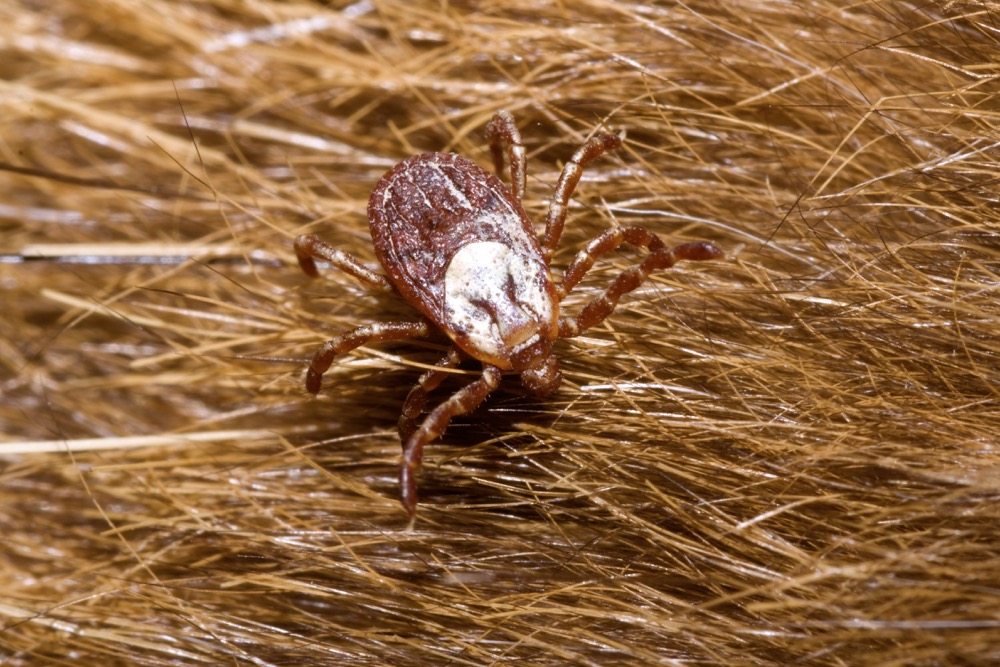
Dr. Kabi specified that the vaccine targets the tick species Rhipicephalus appendiculatus, R. decoloratus, and Amblyomma variegatum, which heavily affect various cattle breeds in the country. Field tests for the vaccine have been conducted at multiple sites, including Mbarara Zonal Agricultural Development Research Institute (with Zebu and Long Horn Ankole cattle species), Maruzi and Nabwin in Karamoja (with short-horned East Africa Zebu), Kiruhura (with Ankole cattle), and Isimba (with Boran cattle).
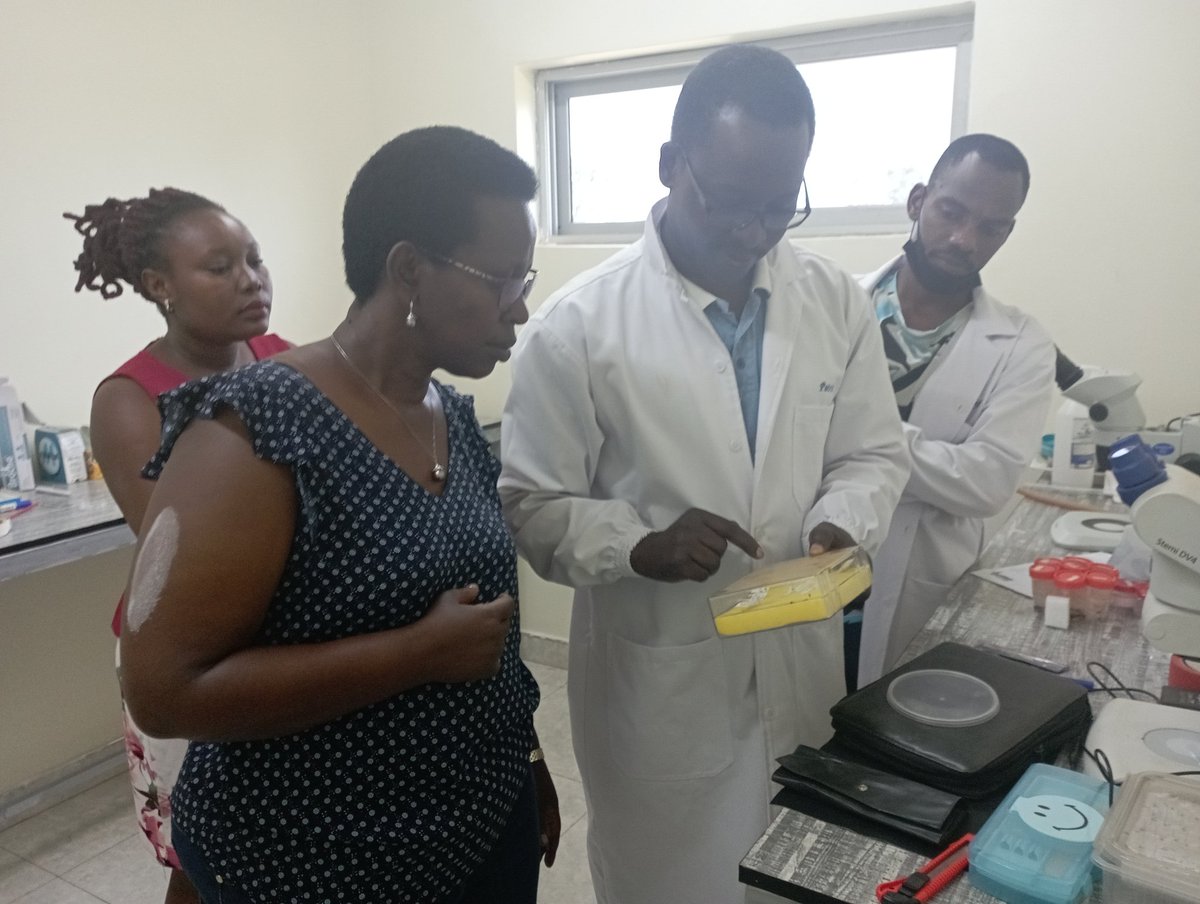
Paul Kasaija, a PhD student involved in the development of the anti-tick vaccine, elaborated on the laboratory procedures. Scientists study the different stages of tick growth, namely egg, nymph, and adult, and identify specific molecules in the tick genes responsible for disease transmission. Through gene silencing, these molecules are targeted and deactivated, halting disease transmission and tick reproduction. This genetic modification process is instrumental in suppressing tick reproduction and blood-sucking behavior.
The engineered genes are then used to formulate the vaccine. Once animals are vaccinated, they develop an immune response, which, when ticks attempt to feed on the animal, weakens the ticks and affects their feeding habits. The vaccine also hampers tick reproduction, preventing the hatching of eggs laid by female ticks. As a result, the tick population is controlled, and some ticks perish after feeding on vaccinated animals.
Clinical tests have already been conducted, with 15 cases demonstrating improved health conditions and reduced tick burdens among experimental cattle. Upon release, farmers will be required to consistently administer the vaccine for three years to ensure resistance against tick-borne diseases. The animals receive an initial dose, followed by a booster dose a month later, which provides protection for six months.
At every trial site, 140 animals were recruited, and the vaccine is expected to be available for farmer use by December of this year. The Subolesin (SUB) vaccine has shown an impressive 88 percent efficacy in controlling multiple tick species. Currently, the team has produced approximately 5,000 doses of the vaccine, pending completion of the registration process. Mass production infrastructure is already in place at the institute, awaiting an official launch, and the team is working on the registration process with the National Drug Authority (NDA) before commercial production can commence.
Dr. Kabi emphasized the significant benefits the vaccine holds for farmers, including reduced acaricide application, which translates into higher profits, and the potential for cattle upgrades and increased productivity. The use of the vaccine will lead to a considerable decrease in tick-borne diseases, environmental hazards, and contamination of beef and milk resulting from excessive acaricide application.
Tick-borne diseases have long plagued Ugandan farmers, hindering their ability to keep improved livestock and enhance their local cattle breeds for higher milk yields due to their high susceptibility to diseases. Increased reliance on chemical acaricides and antibiotics has been observed due to acaricide resistance and the prevalence of tick-borne diseases. The anti-tick vaccine presents an essential solution to tackle tick feeding, reproduction, disease transmission, and growth. Therefore, widespread adoption of the vaccine among farmers is crucial.
Once released, farmers and veterinary doctors will administer the vaccine through either intramuscular injection or oral ingestion.