Climate Change in Colombia 2023: What to Expect and How to Mitigate Its Impact
-
 Loading...
 - Gabriele Romano
- 12 May 2023
- 73 Views
- 0 Like
- 0 Comment
Climate change is a global challenge that affects every corner of the world. Colombia is no exception to this phenomenon, and in fact, it is considered one of the most vulnerable countries to its effects. The country is experiencing a steady increase in temperatures, changes in rainfall patterns, and more frequent natural disasters. These changes have a significant impact on Colombia's economy, environment, and society. This article will discuss the current state of climate change in Colombia and what we can expect in 2023. We will also explore some of the strategies and policies that Colombia can implement to mitigate the impact of climate change.
Colombia is located in the tropics, making it highly vulnerable to the effects of climate change. The country is already experiencing changes in temperature and rainfall patterns, and these changes are expected to worsen in the coming years. According to the Intergovernmental Panel on Climate Change (IPCC), Colombia's temperature is expected to increase by 1.5°C to 4.5°C by the end of the century, depending on the level of greenhouse gas emissions. This increase in temperature will have a significant impact on the country's ecosystems, agriculture, water resources, and public health.
Climate change in Colombia is already affecting the country's ecosystems, water resources, agriculture, and public health. In 2023, we can expect to see further changes and impacts, including:
1. Increase in Temperature
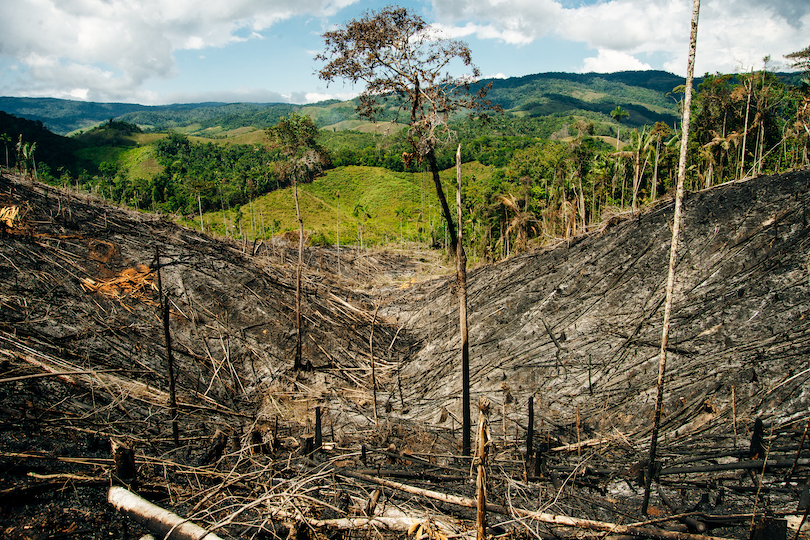
Colombia is expected to experience a significant increase in temperature in 2023. This increase in temperature will have a significant impact on the country's ecosystems and public health. Higher temperatures can increase the frequency and severity of heatwaves, leading to heat-related illnesses and deaths. Higher temperatures can also increase the risk of wildfires, which can have a devastating impact on the country's forests and wildlife.
2. Changes in Precipitation Patterns
Colombia is also expected to experience changes in precipitation patterns in 2023. The country may experience more intense rainfall events, leading to flooding and landslides. Alternatively, some regions may experience a decrease in rainfall, leading to droughts and water scarcity.
3. Impact on Agriculture
Climate change will have a significant impact on Colombia's agriculture sector in 2023. Changes in temperature and precipitation patterns can lead to crop failures, decreased yields, and loss of income for farmers. Additionally, changes in temperature can increase the risk of pests and diseases, further impacting agriculture production.
4. Impact on Biodiversity
Colombia is one of the most biodiverse countries in the world, with a high number of endemic species. Climate change is expected to have a significant impact on the country's biodiversity in 2023. Higher temperatures can lead to the loss of habitat for wildlife, while changes in precipitation patterns can lead to a decline in water availability for freshwater species.
Strategies and Policies to Mitigate Climate Change in Colombia
To mitigate the impact of climate change in Colombia, the country needs to implement strategies and policies that reduce greenhouse gas emissions and increase resilience to climate change impacts. Here are some strategies and policies that Colombia can implement:
1. Renewable Energy
Colombia can promote the use of renewable energy sources such as solar, wind, and hydroelectric power to reduce its reliance on fossil.
2. Sustainable Agriculture Practices
Colombia can promote sustainable agriculture practices that reduce greenhouse gas emissions, increase soil health, and improve crop yields. These practices include conservation agriculture, agroforestry, and sustainable livestock management.
3. Reforestation
Colombia can implement large-scale reforestation programs to restore degraded lands and increase carbon sequestration. Reforestation can also help to protect watersheds, prevent soil erosion, and provide habitat for wildlife.
4. Climate-Resilient Infrastructure
Colombia can invest in climate-resilient infrastructure, such as flood barriers, sea walls, and water management systems, to increase resilience to climate change impacts. This infrastructure can also create job opportunities and stimulate economic growth.
5. Public Education and Awareness
Colombia can increase public education and awareness about the impacts of climate change and the actions individuals can take to mitigate its effects. This can include campaigns to reduce energy consumption, promote sustainable transportation, and reduce waste.
Frequently Asked Questions (FAQs)
Q: What are the main causes of climate change in Colombia?
A: Climate change in Colombia is primarily caused by greenhouse gas emissions from human activities, such as burning fossil fuels, deforestation, and agriculture practices.
Q: How is climate change affecting Colombia's economy?
A: Climate change is affecting Colombia's economy by reducing agricultural productivity, increasing the frequency and severity of natural disasters, and increasing public health costs.
Q: What is Colombia doing to mitigate the impacts of climate change?
A: Colombia has implemented policies and strategies to reduce greenhouse gas emissions and increase resilience to climate change impacts. These include promoting renewable energy, sustainable agriculture practices, and climate-resilient infrastructure.


