‘Coffee with legs’: inside Chile’s risque and antiquated cafe culture
-
 Loading...
 - Maria Laine
- 07 Jun 2023
- 126 Views
- 0 Like
- 0 Comment
In the streets of Chile's capital, Santiago, there is a peculiar and outdated coffee culture that still persists. It involves coffee establishments where waitresses, dressed in short skirts and high heels, serve the customers. These venues, known as "cafés con piernas" or "coffee with legs," are remnants from the 1980s. Additionally, in underground shopping centers, there are cafes with exotic names where the staff, mostly migrants from other countries, wear swimwear.
Amanda Bruna, a 37-year-old teacher from Santiago, finds it peculiar that these places, which objectify women, still exist in the heart of the city. However, she acknowledges that women have to work and, when there are limited opportunities, they will take these jobs like any other work. Marcela Hurtado, an academic from Chile's Austral University who has extensively researched these cafes, explains that these establishments often operate on the fringes of the law, and the working conditions for the women there vary.
Despite the feminist wave that has brought about changes in people's perceptions of such establishments, their fundamental nature remains the same. The #MeToo movement, which gained momentum in Chile in 2018, resulted in strikes at universities due to numerous harassment and abuse scandals in higher education. The women's movement in the country continues to influence national and local politics, with President Gabriel Boric emphasizing gender equity in his government.
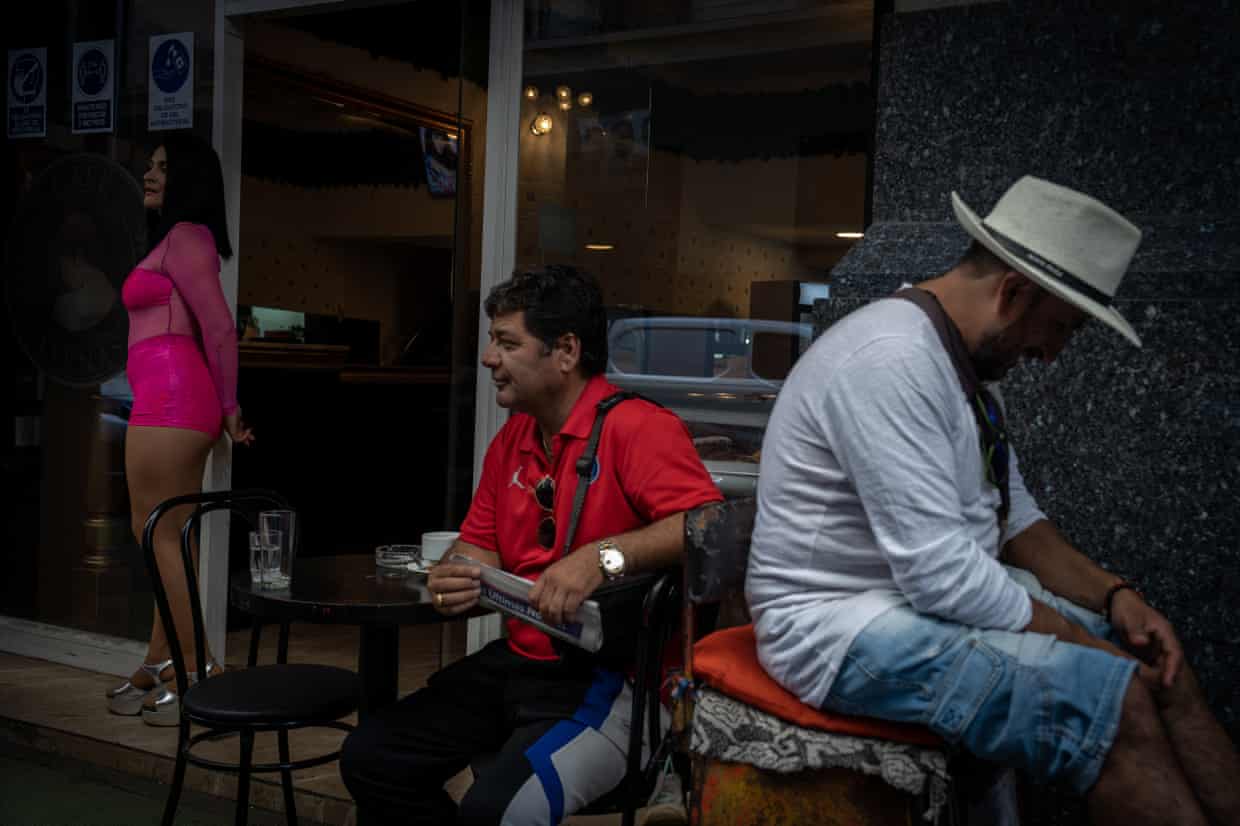
Regulating these cafes has long been a challenge for the city of Santiago. In the 2000s, amid allegations of prostitution and workplace harassment, mayors implemented measures such as daytime-only operations, alcohol bans, and tinted windows for the cafes. However, the current city council, led by feminist mayor Irací Hassler, takes a different approach, treating these cafes like any other business in the city. The council aims to ensure fair and legal contracts in authorized establishments, without stigmatizing women who seek employment for survival while prioritizing their safety.
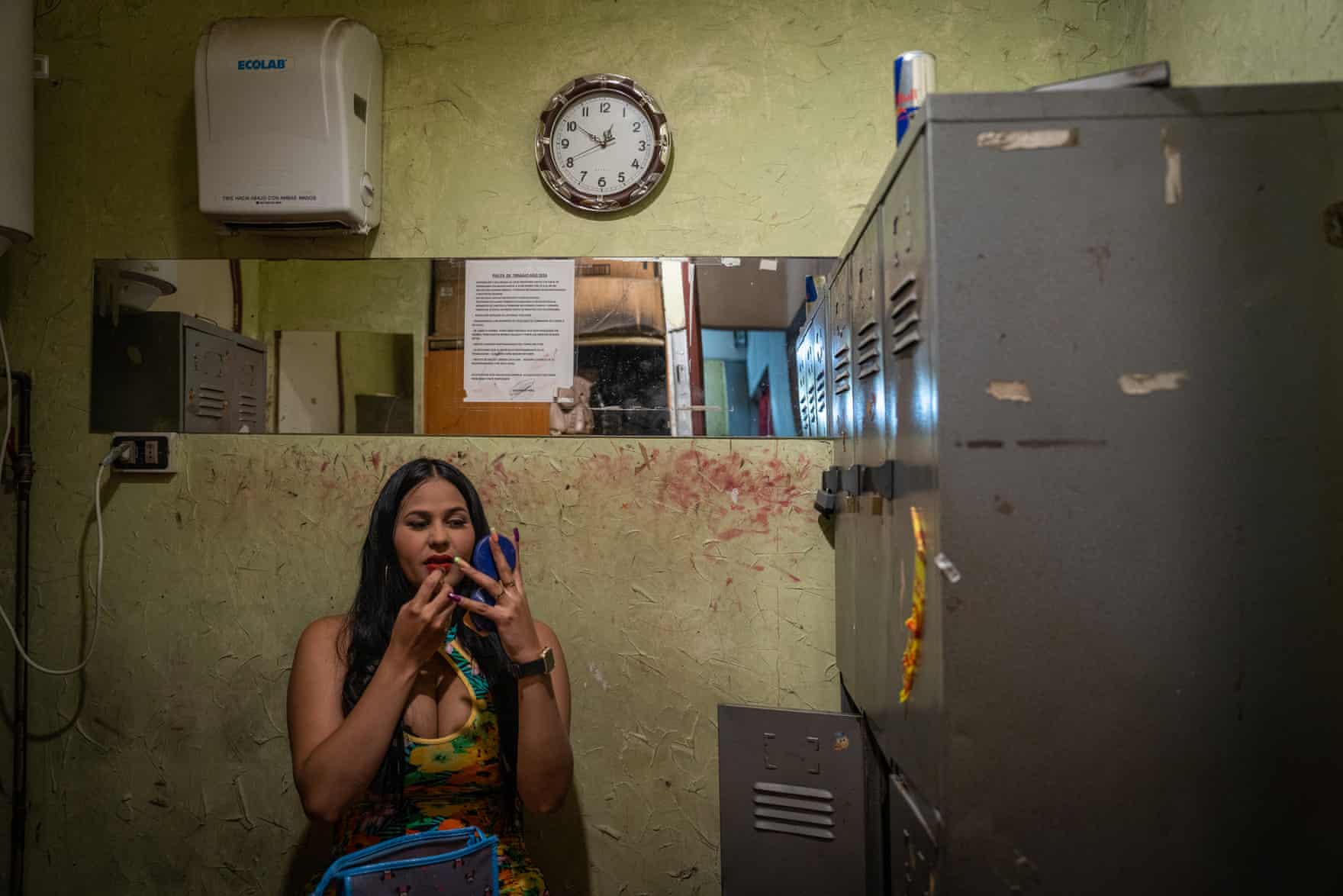
Many waitresses in these cafes have traveled long distances to reach Chile and often lack the necessary paperwork to work legally. For instance, Mandy, a 25-year-old woman from Venezuela, dropped out of university in El Tigre and embarked on a bus journey through five countries to work as a waitress at Café Alibaba, one of the underground establishments in Santiago. Mandy appreciates the decent pay, but she also acknowledges that some men can be rude and misunderstand the nature of these places.
Despite changing attitudes in society, Santiago's cafés con piernas continue their operations. The owners claim that they remain unaffected by the shifting perspectives, and regular customers still visit these coffee shops, passing by feminist graffiti in the city center while bringing gifts for the waitresses. The tradition of cafés con piernas dates back to 1982 when Café Haití, an Italian-American coffee chain, introduced a dress code featuring revealing dresses and stilettos for its waitresses. This sparked the establishment of numerous cafés con piernas across Santiago, each with its own unique and increasingly outrageous concept.
Marco Peña, the 53-year-old owner of Kako's Express, a coffee shop discreetly located in the city center, states that his establishment is not a typical café con piernas like the underground ones he used to run. While the pandemic caused changes in customer patterns, with office vacancies and businessmen reducing their visits to the city center, construction workers, market traders, and even former professional footballers now frequent his café. The waitresses still wear short, floral-print dresses and heels.
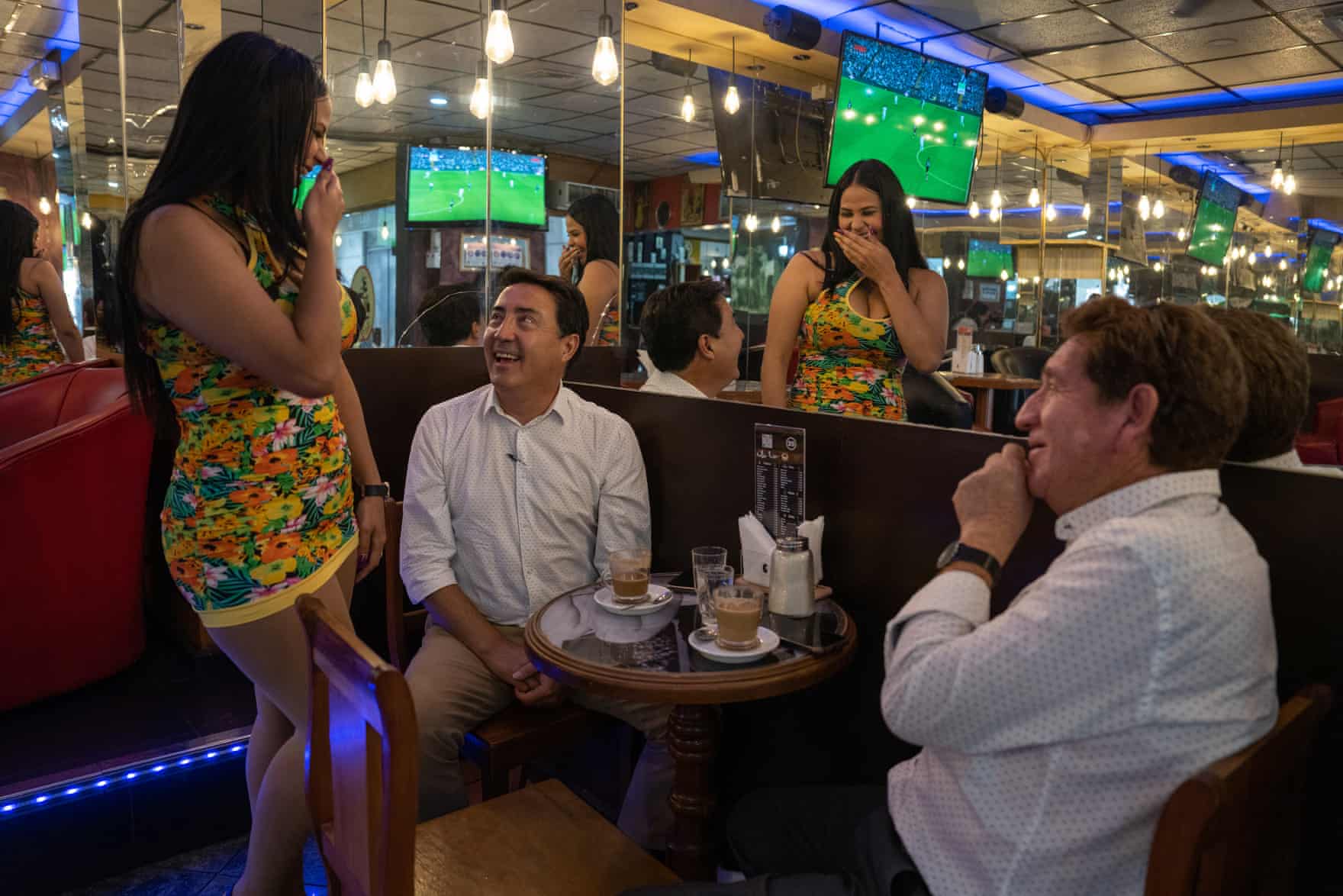
Despite growing awareness of gender issues in Chile, regular customers like Luis and Sergio believe that these coffee shops are still widely accepted. They visit Kako's Express regularly, sipping milky coffees from tall glasses while dismissing any notion that these places have become taboo. For them, having coffee and conversations in such cafes is entirely normal.
As these coffee shops continue to attract both curious tourists and local patrons, it seems that the tradition of cafés con piernas will persist as long as there are customers to support them.