Collagen and Meat Giants Fuel Deforestation and Rights Violations in Paraguay
-
 Loading...
 - Sadiki Omar
- 07 Nov 2024
- 40 Views
- 0 Like
- 0 Comment
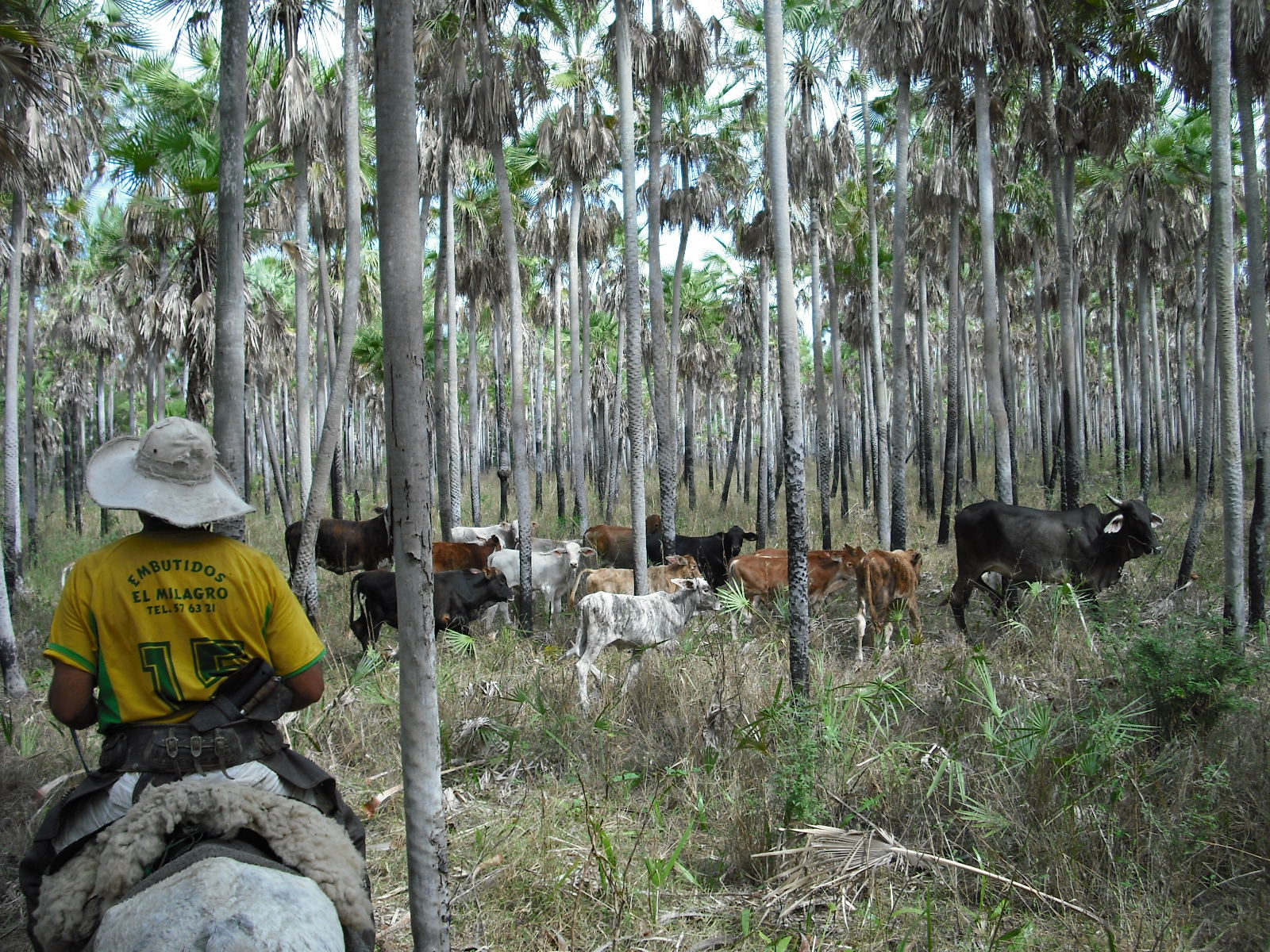
A recent report by the environmental NGO Global Witness has highlighted the alarming role of the global collagen and meat industries in driving deforestation and violating the rights of Indigenous communities in Paraguay’s Gran Chaco, one of South America’s last climate-critical forests. The report reveals that major meat companies, including Minerva Foods and Frigorífico Concepción, are linked to the clearance of over 75,000 hectares (approximately 185,000 acres) of forest in the Gran Chaco between 2021 and 2023, an area comparable to the size of New York City.
The report indicates that these cattle farms are directly supplying the meat companies, which have been implicated in similar deforestation issues in previous investigations, such as one conducted by Earthsight in 2020. Additionally, a significant portion of this deforestation is traced back to Rousselot, a leading global collagen manufacturer that has purchased over 3,000 tonnes of cattle hides from Frigorífico Concepción since 2022. Rousselot’s collagen products, including Peptan, are sold by major international retailers like Amazon and Costco.
While Rousselot’s parent company, Darling Ingredients, claims to operate within legal bounds and emphasizes its commitment to responsible sourcing, the exact extent of Rousselot's contribution to deforestation remains unclear. Neither Minerva Foods nor Frigorífico Concepción responded to inquiries regarding the report.

Impact on Indigenous Communities
The Gran Chaco is home to over 20 Indigenous groups, including the Ayoreo Totobiegosode, a partially uncontacted community. The report reveals that 18,000 hectares (over 44,000 acres) of deforestation occurred on lands recognized as ancestral territory for the Ayoreo Totobiegosode, threatening their cultural survival and way of life. Despite the recognition of these lands as protected in 2001, cattle ranchers continue to hold land titles, leading to ongoing legal battles over property rights.
A spokesperson for the Ayoreo Totobiegosode, known as Guede, emphasized the detrimental impact of cattle ranching on their community, stating, “Meat companies must stop buying from producers that occupy Indigenous territories. Many of these farms don’t benefit anyone except the owner [of the land] and a few others.”
The Broader Environmental Context
The Gran Chaco, the second-largest forest in South America, is often overshadowed by the Amazon but is crucial for biodiversity and climate change mitigation. It has suffered from significant deforestation due to agricultural expansion, hunting, and climate change. Over the past 20 years, Paraguay’s northern departments of the Chaco have lost 30% of their tree cover, equivalent to 5.42 million hectares (approximately 13 million acres).
Experts warn that if current deforestation rates persist, the Gran Chaco could be entirely wiped out by 2080, endangering its diverse wildlife and displacing Indigenous populations. Guede remarked, “If the Ayoreo ceased to exist, Paraguay would lose a part of its fundamental spirit.”
Regulatory Challenges and Future Implications
Despite Paraguay’s zero deforestation law for its Eastern region, this legislation does not extend to the Chaco, where ranchers are only required to preserve 25% of forest cover. The lack of political will to enforce stricter regulations has allowed the cattle industry to flourish at the expense of the environment and Indigenous rights.
Environmentalists are particularly concerned about a proposed delay to the European Union’s anti-deforestation regulation (EUDR), which aims to prevent deforestation-linked products from entering EU markets. This delay could hinder efforts to hold the Paraguayan cattle industry accountable and exacerbate the ongoing exploitation of ecosystems like the Gran Chaco.
The findings from Global Witness underscore the urgent need for action to protect the Gran Chaco and its Indigenous communities from the destructive practices of the meat and collagen industries. As Guede poignantly stated, “It’s time to say: ‘Enough is enough.’ Indigenous communities are under threat, and we have an incredible and beautiful ecosystem that has almost been entirely decimated.” The call for accountability and sustainable practices is more critical than ever to safeguard both the environment and the rights of those who depend on it.