Study Identifies Potential Biodiversity Refuges in Chilean Patagonia
-
 Loading...
 - Lucas Foster
- 05 Apr 2023
- 83 Views
- 0 Like
- 0 Comment
New research highlights land and marine areas where species could thrive amid extreme climate change.
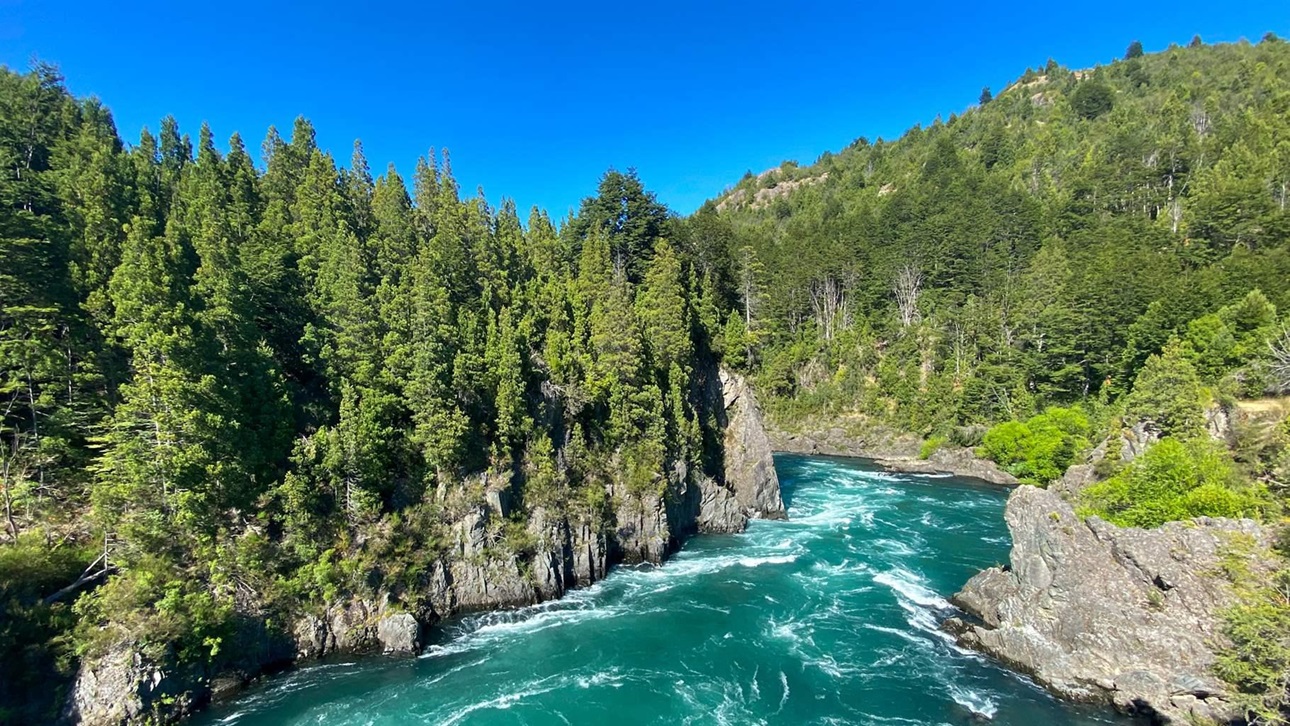
Chile is a preferred travel destination for people from around the world who enjoy nature. In fact, just last year, the World Travel Awards named Chile the World’s Leading Green Destination. Chilean Patagonia, in particular, is home to 75% of the country’s protected areas, making it as valuable environmentally as it is scenically.
And now, a recent study—led by professor Patricio Pliscoff of the Universidad Austral de Chile’s Austral Patagonia Program, which is supported by The Pew Charitable Trusts—has shown that Chilean Patagonia also features vast areas with great potential as climate refuges for biodiversity.
Climate refuges are areas capable of remaining stable in the face of extreme climate change—thus serving as a haven for species, ecosystems, and biological processes that could otherwise disappear. Identifying these areas is vital for ensuring their conservation and for developing adequate management plans for established protected areas that could also serve as biodiversity refuges.
Although the December 2022 study identifies potential refuges on land throughout Patagonia, they are concentrated in three specific regions: Chiloé Island and Palena Province in the Los Lagos Region; in the Aysén Region’s inland zone, between the coast and the steppe; and in Chile’s southeastern continental tip and the northern part of the island of Tierra del Fuego, in the Magallanes Region. Read More…