Colombia is Facing a New Problem: Too Much Cocaine
-
 Loading...
 - Angelina Casa
- 15 Jul 2024
- 52 Views
- 0 Like
- 0 Comment
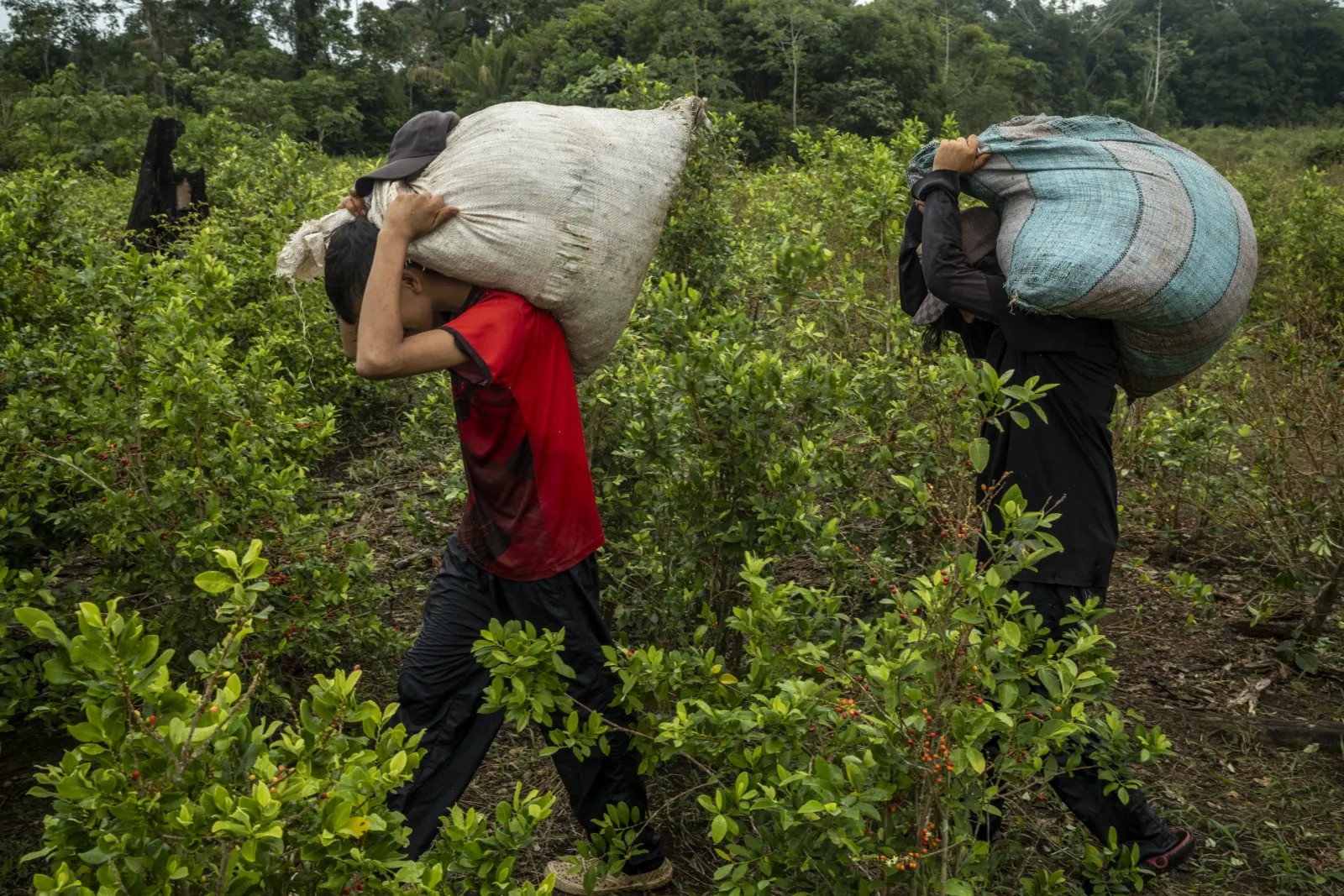
For decades, the small, remote Colombian village of Cano Cabra has relied on one industry: cocaine. Residents of this central Colombian community rise early each morning to pick coca leaves, scraping brittle branches until their hands bleed. They then mix the leaves with petrol and other chemicals to produce coca paste, the base ingredient for cocaine.
Economic Crisis in Coca-Producing Regions
Collapse of the Coca Paste Market
Two years ago, an alarming development occurred: the drug traffickers who bought coca paste to turn it into cocaine stopped showing up. Suddenly, already impoverished villagers had no income, leading to food scarcity and an exodus in search of jobs. Cano Cabra, once home to 200 people, now has only 40 residents. This pattern has been repeated across Colombia, where coca is the sole source of income for many communities.
Impact of the FARC Peace Deal
The dramatic downturn in the cocaine market is partly an unintended consequence of the 2016 peace deal with the Revolutionary Armed Forces of Colombia (FARC), which ended a decades-long conflict. The FARC financed its operations through cocaine, relying on thousands of farmers to supply the coca plant. After the FARC left the cocaine industry, smaller criminal groups took over, adopting a new model of buying large quantities of coca from fewer farmers and focusing operations near borders for easier export.
Competition from Other Countries
Other countries have become significant competitors, further affecting Colombia's drug market. Ecuador has emerged as a top cocaine exporter, while coca cultivation has increased in Peru and Central America. This global production surge has led to record-high levels of cocaine production.
Government Policies and Technological Advances
Shift in Eradication Policies
Colombian President Gustavo Petro has shifted focus from eradicating coca plants to targeting drug trafficking networks, which has contributed to the rise in cocaine production. The annual production of coca leaf and cocaine hit new highs in 2022, with a 24% increase in cocaine manufacturing from the previous year.
Increased Production and Export Revenues
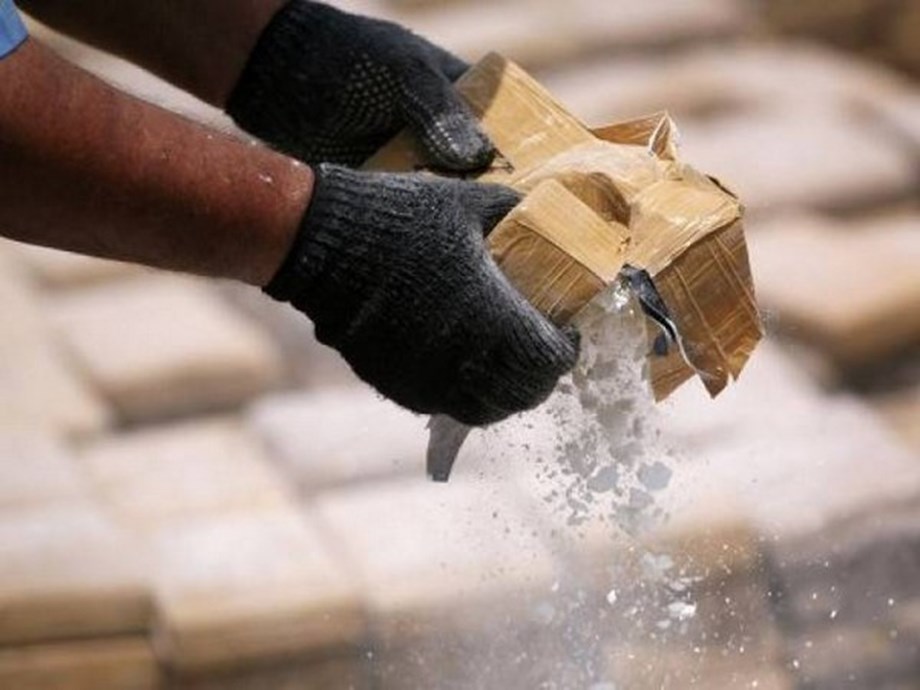
The boom in cocaine production has led to increased exports, with revenues rising to $18.2 billion in 2022 from $12.4 billion in 2021. Bloomberg Economics predicts that cocaine export revenues could surpass oil revenues, Colombia's top export, as soon as this year.
Humanitarian Impact
Economic and Social Consequences
The new economic model of the cocaine industry has brought suffering to many parts of Colombia. At least 55% of coca-growing regions have seen coca sales plummet. Communities like Cano Cabra, with no government presence and controlled by illegal armed groups, are particularly hard hit. These areas often lack basic infrastructure such as electricity, running water, and public schools.
Changing Dynamics of Armed Groups
Many Colombian armed groups have diversified their income sources, relying less on drugs and more on other illicit activities like gold mining, logging, and smuggling migrants. This shift has drawn less law enforcement scrutiny but has not alleviated the suffering of coca-growing communities.
Colombia's cocaine industry, once dominated by powerful cartels, is undergoing significant changes. The economic model has shifted, competition from other countries has intensified, and government policies have evolved. While cocaine remains a lucrative enterprise for criminal networks, these changes have created economic hardships for many rural communities that depended on coca production for their livelihoods. The challenge now is addressing these humanitarian issues while continuing to combat the illicit drug trade.