Colombia’s ‘Cocaine Hippo’ Population Is Even Bigger Than Scientists Thought
-
 Loading...
 - Alejandro Diaz
- 09 Jun 2023
- 73 Views
- 0 Like
- 0 Comment
Colombia's invasive hippopotamus population has been discovered to be even larger than previously estimated, according to the most comprehensive census conducted to date. These hippos, considered the largest invasive species globally, pose a significant threat to native plants and animals in Colombia. Researchers had already been urging for urgent measures to control the population, and the results of the census have only intensified these concerns.
A few years ago, scientists projected that approximately 98 hippos were living along Colombia's Magdalena River and its tributaries by estimating their reproductive rate. However, the new study, which involved on-site animal counting, the use of drones, and other tracking methods, reveals that the actual number of hippos residing in Colombia is estimated to be between 181 and 215.
Ecologist Rafael Moreno, who took part in the study while at the Alexander von Humboldt Biological Resources Research Institute in Bogotá, states, "Previously, one argument against addressing the hippo issue was the limited information and theoretical nature of our arguments. However, this study has laid that argument to rest. It demonstrates that this is a real problem requiring urgent action from the government."
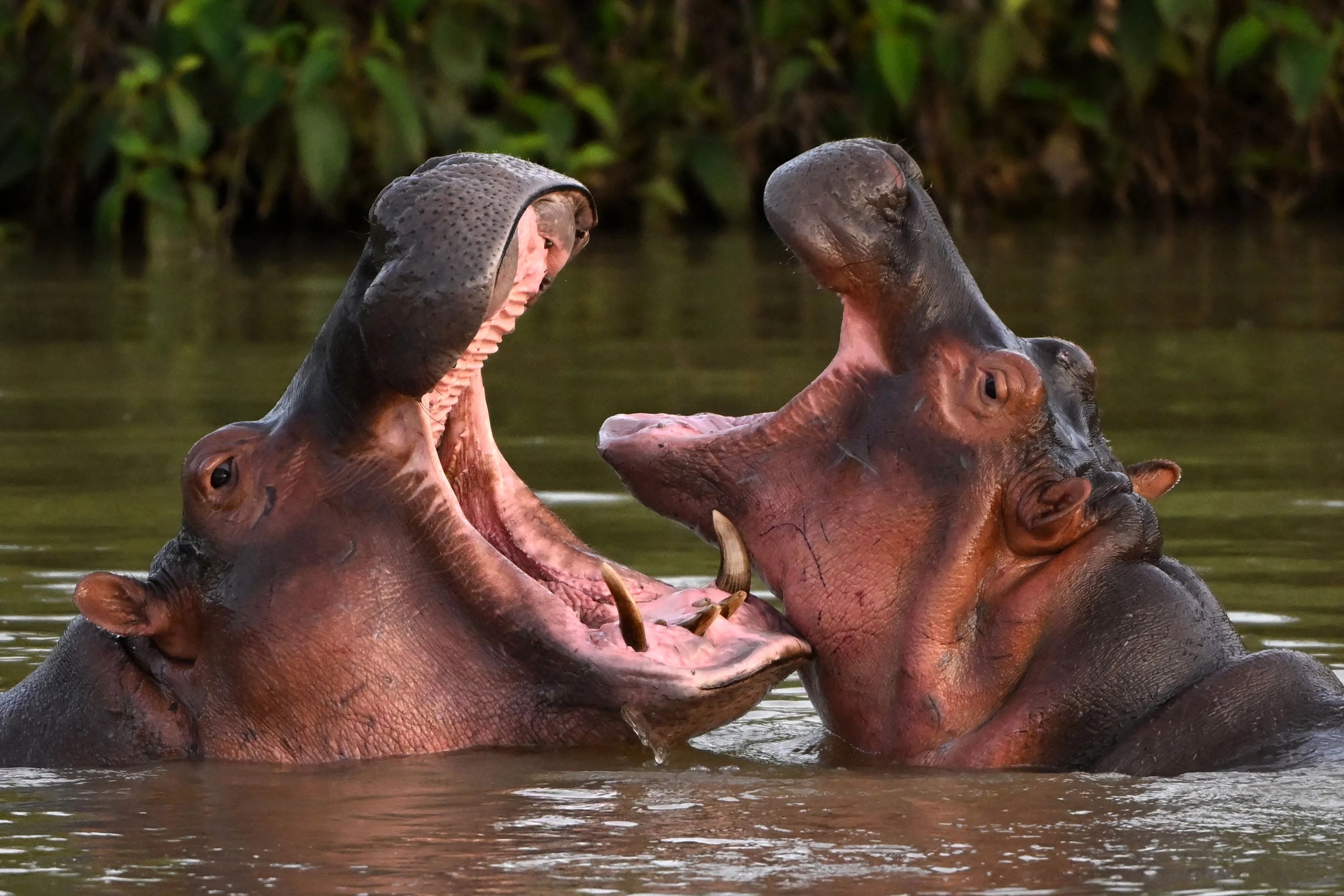
Known as "cocaine hippos," Colombia's hippopotamus population originated from three females and one male that were illegally imported by the late drug-cartel leader Pablo Escobar. Escaping from his estate after his death in 1993, these hippos (Hippopotamus amphibius) established themselves in the Magdalena River. Without natural predators or the drought conditions found in their native Africa to regulate their numbers, these large herbivores have rapidly bred, forming the largest population of hippos outside of Africa.
Managing the hippopotamus population has proven challenging for Colombian officials. In 2009, when an aggressive male was ordered to be killed, a photograph of soldiers posing with the corpse sparked outrage and hindered further efforts to control the population. Some communities now rely on the tourism generated by the hippos, while others, especially fishing communities, live in fear of these highly territorial animals that can weigh up to 3 tonnes and cause severe harm to humans by tearing off limbs or trampling them.
To gain a better understanding of the issue and devise management strategies, Colombia's Ministry of Environment commissioned the census. However, completing the census posed challenges due to the hippos' elusive nature. Despite their large size, accurately locating and counting them proved difficult. Being nocturnal and spending up to 16 hours a day immersed in water while covering vast distances, they proved elusive to researchers.
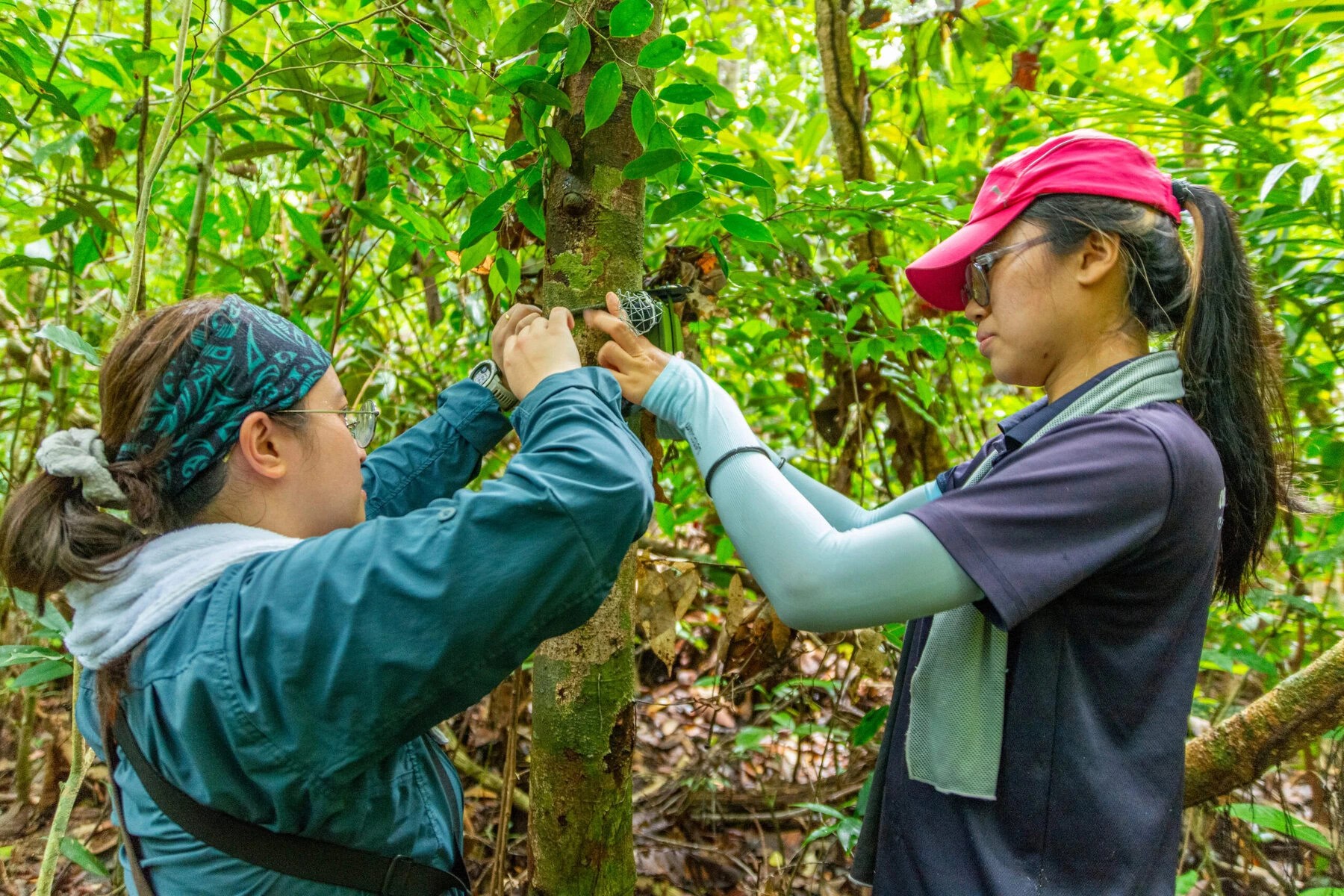
The research team, comprising scientists from the National University of Colombia in Bogotá, the Humboldt Institute, and Cornare—an environmental organization overseeing the area where the hippos reside—conducted multiple trips between 2021 and 2022. They used various means of transportation, including cars, boats, and walking, to count the hippos. Drones were employed to count the animals in inaccessible locations, while footprints were used to estimate the population.
During the counting process, the researchers observed the various ways in which the hippos are damaging Colombia's ecosystems. As they traverse between rivers, the hippos' movements erode riverbanks and create muddy paths that cut through forests. Furthermore, they outcompete other animals for resources and habitat, posing a significant threat to the West Indian manatee (Trichechus manatus), neotropical otter (Lontra longicaudis), and capybara (Hydrochoerus hydrochaeris).
With incidents of serious human attacks in 2020 and 2021, along with a hippo dying in a car crash on the highway in April, scientists emphasize the need for solutions. One strategy currently being tested is administering contraceptives to the hippos through darting. While this method could eventually curb their reproduction and eliminate the population, it is slow, expensive, and has not been attempted on such a large scale before. A modeling study published in April estimated that eradicating the hippos using this method would take 45 years and cost at least $850,000.
Another approach involves capturing and transporting the hippos by helicopter to a facility for castration. However, this strategy would cost a minimum of $530,000 and take up to 52 years to achieve eradication, according to the study. These calculations underestimate the true costs since they were based on earlier, lower estimates of the hippo population before the census results were released.
Meanwhile, the regional agency responsible for addressing the hippo issue faces financial constraints and relies on contraceptive donations from the United States. Agency officials are in negotiations with countries such as India and Mexico to export some of the animals to sanctuaries abroad. However, this strategy comes with a price tag of $3.5 million, according to those involved in the discussions.
According to Olga Montenegro, a biologist at the National University who contributed to the census, there is no single best solution. The hippos exist in various groups, and while some could be easily relocated, others have already established themselves and are reproducing rapidly.
Many researchers advocate for culling the animals, considering it the quickest and most humane approach that would prevent an uncontrollable problem from arising. They argue that the cost of eliminating the hippos should be weighed against the loss of Colombia's native flora and fauna—the country being the second-most biodiverse in the world.
When asked about the ministry's plan to manage the growing hippo population in light of the new findings, Nature did not receive a comment.
Moreno expresses, "There is a moral weight attached to the decision of culling a hippo. However, the weight of the alternative—inaction—is much greater. I hope this is something politicians will comprehend."