Colonial looted art: “Efieâ€, the Museum as Home
-
 Loading...
 - Eric Adjetey
- 18 Jan 2022
- 439 Views
- 0 Like
- 0 Comment
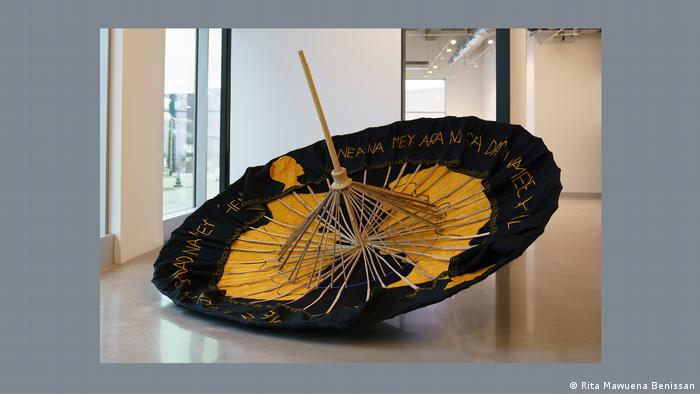
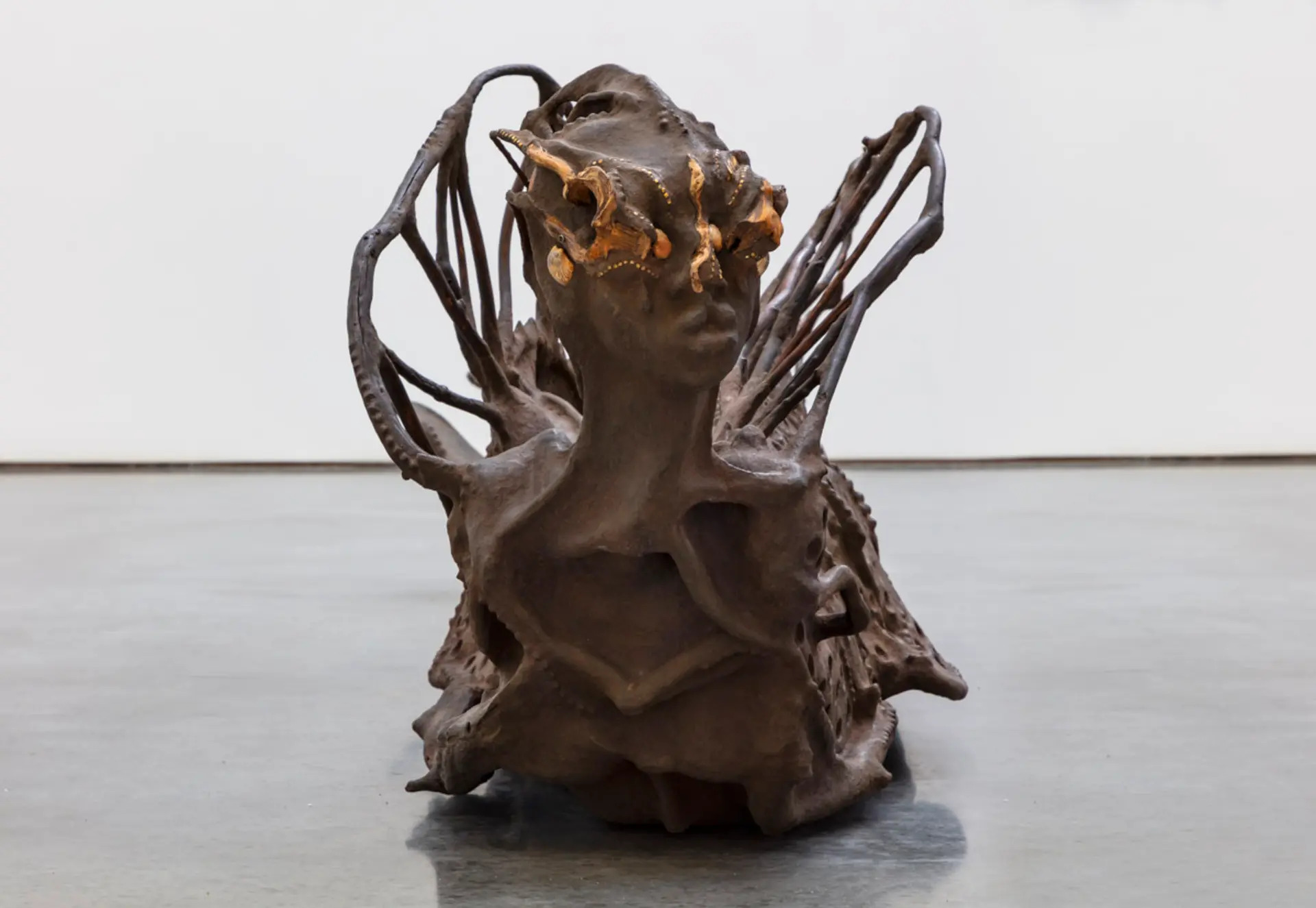
Imagine that, artistic objects have a soul, and could feel emotions like suffering, sadness, and loneliness – that is what the Ghanaian author and filmmaker Nana Oforiatta Ayim envisioned when she curated the exhibition “EFIE: The Museum as Home,” at the Dortmunder U culture center.
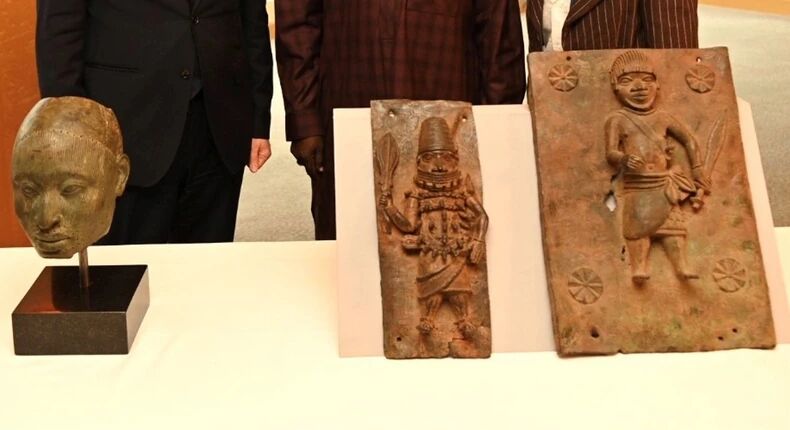
Efie, in the Twi language, means home, says Nana Oforiatta Ayim. “Historically when we had objects, it wasn’t that they were like inanimate things to be put in glass cases – they have a spirit, they were dynamic, they were alive, and the structures they were in were homes for them,” she told DW.
A space of healing
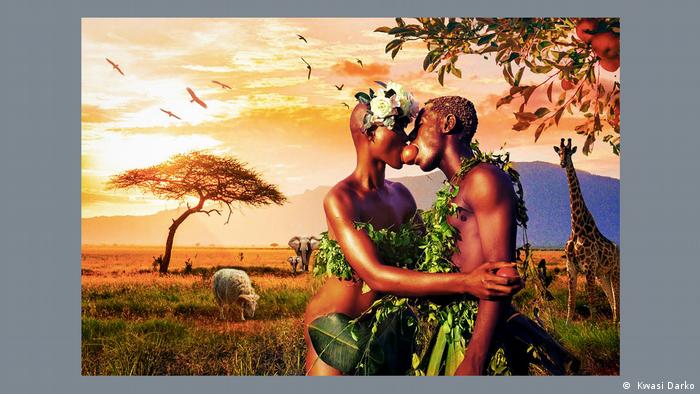
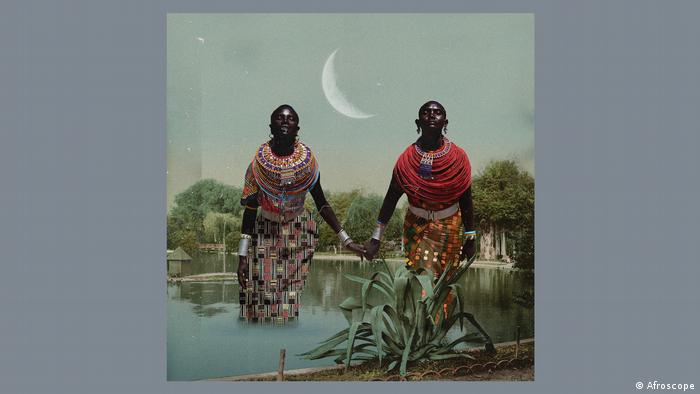
In the show, Ayim juxtaposed works by contemporary artists with historical artifacts on loan from German collections. Home, and the loss of home, is the theme that spans past and present.
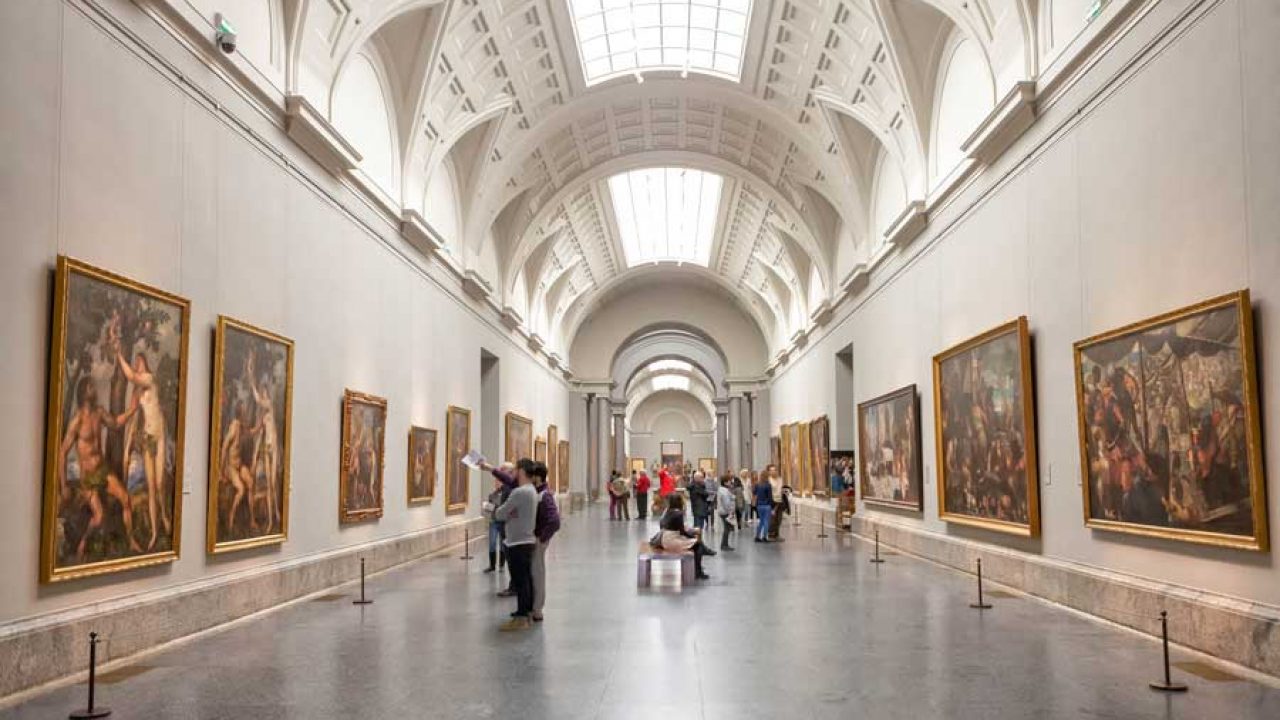
Ayim created a special space for the historical artworks, what she calls “a kind of space of healing, a home.” European museums traditionally present art in a value-neutral way – sculptures stand next to each other in display cases, illuminated by a spotlight. Ayim’s exhibition wants to allow a subjective view of the objects to give them back their soul.
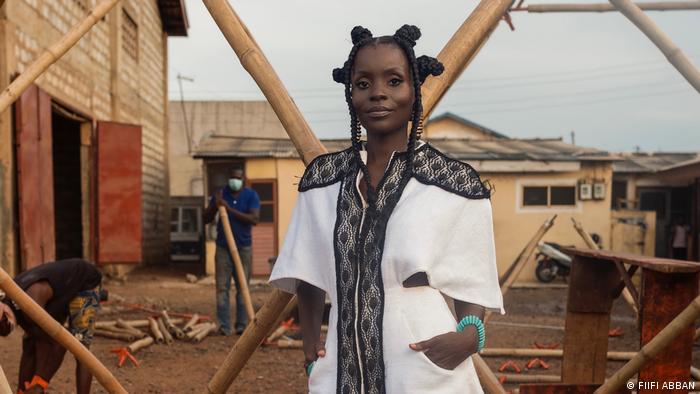
Nana Oforiatta Ayim’s preoccupation with art from a colonial context is no coincidence, as she serves as Ghana’s commissioner for restitution. She is largely responsible for creating strategies for the restitution of looted art from Ghana.
What is most important is to come to terms with history and regain control over one’s own narrative, she says, pointing out that the objects were stolen using varying degrees of violence. “There’s a separation that’s happened between us and our histories and our narratives.” Ayim hopes to help ease the pain of separation by inserting this “in-between step before the objects come back [to Ghana].”