Common Challenges in ESG Assurance and How to Overcome Them in France
-
 Loading...
 - Speeki Ltd.
- 15 Oct 2024
- 126 Views
- 0 Like
- 0 Comment

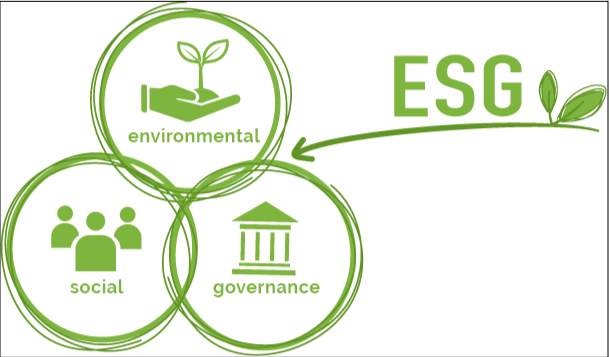
In recent years, Environmental, Social, and Governance (ESG) factors have gained significant traction in the corporate world. With an increasing number of companies in France and across Europe committing to sustainability and ethical governance, ESG assurance has become essential for demonstrating transparency and accountability. However, organisations often face several challenges in implementing effective ESG assurance processes. Understanding these challenges and developing strategies to overcome them can enhance your company's ESG performance and build stakeholder trust.
1. Lack of Standardization in ESG Reporting
Challenge:
One of the primary challenges in ESG assurance is the lack of standardised reporting frameworks. In France, companies may choose from various reporting standards, such as the Global Reporting Initiative (GRI), the Sustainability Accounting Standards Board (SASB), or the Task Force on Climate-related Financial Disclosures (TCFD). This variety can lead to inconsistencies in reporting, making it difficult for stakeholders to compare performance across organisations.
Solution:
To address this challenge, companies should adopt a common reporting framework that aligns with their industry standards and regulatory requirements. Establishing internal guidelines based on recognised frameworks can streamline the reporting process, ensuring consistency and clarity. Regular training sessions can also help staff understand and implement these standards effectively.
2. Data Quality and Availability
Challenge:
The accuracy and completeness of data are critical for effective ESG assurance. Companies often struggle to gather reliable data due to fragmented data sources and the lack of established metrics. In France, organisations may face difficulties in collecting data from different departments, suppliers, or subsidiaries, leading to gaps in reporting.
Solution:
Investing in robust data management systems can help improve data quality and accessibility. Companies should implement comprehensive data collection processes, ensuring that relevant ESG information is captured accurately and consistently. Regular audits of data sources and methodologies can also enhance data reliability, helping to build a strong foundation for ESG assurance.
3. Complexity of Regulatory Requirements
Challenge:
The regulatory landscape surrounding ESG reporting and assurance is evolving rapidly, particularly in France, where the government has introduced various sustainability regulations. Companies must navigate complex legal requirements, such as the EU Taxonomy Regulation and the Corporate Sustainability Reporting Directive (CSRD), which can be daunting and resource-intensive.
Solution:
Staying informed about regulatory changes is crucial for compliance. Companies should establish a dedicated compliance team to monitor and interpret ESG regulations. Collaborating with legal and regulatory experts can help organisations ensure they meet evolving requirements and avoid potential penalties.
4. Limited Stakeholder Engagement
Challenge:
Effective ESG assurance relies on the active participation of various stakeholders, including employees, customers, investors, and suppliers. However, many companies struggle to engage stakeholders meaningfully, resulting in a lack of insights into their expectations and concerns.
Solution:
Developing a stakeholder engagement strategy can help bridge this gap. Regularly soliciting feedback through surveys, focus groups, or public consultations can provide valuable insights into stakeholder perspectives. Companies should also communicate their ESG goals and progress transparently to foster trust and collaboration.
5. Balancing Short-term Goals with Long-term ESG Commitments
Challenge:
Many organisations face pressure to achieve short-term financial goals, which can conflict with long-term ESG commitments. In the competitive business landscape of France, the focus on immediate returns may overshadow the importance of sustainable practices and ESG initiatives.
Solution:
To overcome this challenge, companies should integrate ESG objectives into their overall business strategy. By aligning ESG goals with financial performance, organisations can demonstrate that sustainable practices can drive profitability. Communicating the long-term benefits of ESG initiatives to shareholders and employees can also foster a culture of sustainability within the organisation.
6. Limited Awareness and Expertise in ESG Matters
Challenge:
A lack of understanding and expertise in ESG issues can hinder the implementation of effective assurance processes. In France, many organisations may lack the necessary knowledge to navigate the complexities of ESG reporting and assurance.
Solution:
Investing in training and development programs can enhance employees' understanding of ESG matters. Organisations can also consider hiring external consultants or forming partnerships with ESG experts to bridge knowledge gaps. By fostering a culture of learning, companies can build internal capacity to effectively manage ESG assurance.
Conclusion
As the importance of ESG factors continues to rise, effective ESG assurance is crucial for organisations in France seeking to enhance transparency and build stakeholder trust. By recognising and addressing common challenges, companies can strengthen their ESG practices and contribute positively to their communities and the environment.
Implementing standardised reporting frameworks, improving data quality, staying informed about regulatory requirements, engaging stakeholders, aligning short-term and long-term goals, and fostering awareness and expertise are essential strategies for overcoming these challenges. By prioritising ESG assurance, companies can not only enhance their sustainability performance but also position themselves as leaders in responsible business practices in the evolving landscape of corporate responsibility.