Rupee Drops to Lifetime Low of 84.07 on High Dollar Demand by Foreign Banks
-
 Loading...
 - Jitendra Ganguly
- 14 Oct 2024
- 102 Views
- 0 Like
- 0 Comment
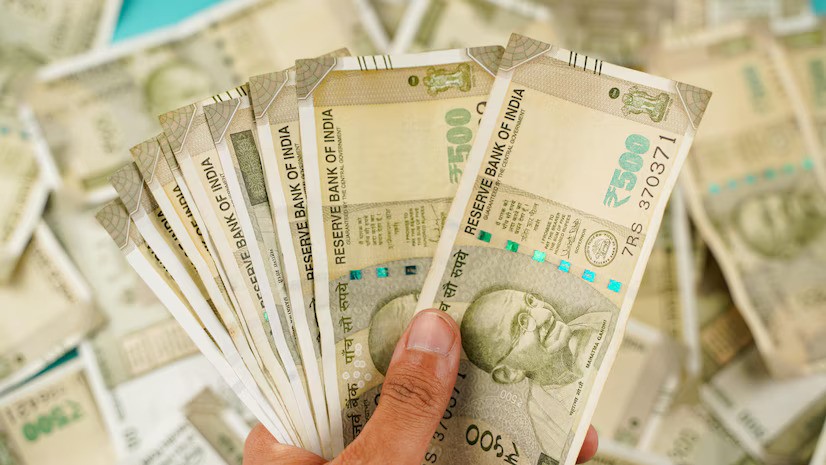
The Indian rupee has fallen to an all-time low of 84.0725 against the US dollar, surpassing its previous record low of 84.07 reached last Friday. This decline is attributed to persistent dollar demand from foreign banks, likely acting on behalf of their custodial clients.
The rupee's drop past the 84 mark comes after spending over two months near this level, with the Reserve Bank of India (RBI) regularly intervening to provide support. However, the currency has faced mounting pressure this month due to sustained outflows from local equities, with foreign investors withdrawing approximately $8 billion over the last ten sessions.
Additionally, the weakness in Asian currencies, driven by disappointment over China's stimulus measures, has further weighed on the rupee. On Monday, Asian currencies were mostly down by 0.1 to 0.3 percent, while the dollar index remained close to its two-month peak at 103.
Local private and state-run banks have been observed offering dollars, while large foreign banks have dominated dollar bids, according to a trader at a foreign bank. The dollar-rupee pair is expected to hover in the "83.95-84.20 range in the near-term" and is considered a "sell on uptick if it moves fast," the trader noted.
Amit Pabari, managing director at FX advisory firm CR Forex, suggested that the RBI's efforts to defend the currency, along with a potential easing of equity outflows, may provide some relief to the rupee and help it rise above the 84 level.
Traders are also monitoring Brent crude oil prices, which were down to $78 per barrel on Monday but have increased nearly 9 percent in October amid concerns over potential disruptions to oil supplies due to wider Middle East conflicts.
Furthermore, market participants are awaiting remarks from Federal Reserve Governor Christopher Waller, who is scheduled to speak later in the day. His comments may offer insights into the future trajectory of US policy rates, which could impact the dollar and, consequently, the rupee.