Communist Party of China: Setting a 2029 deadline
-
 Loading...
 - Congming Sang
- 11 Sep 2024
- 57 Views
- 0 Like
- 0 Comment
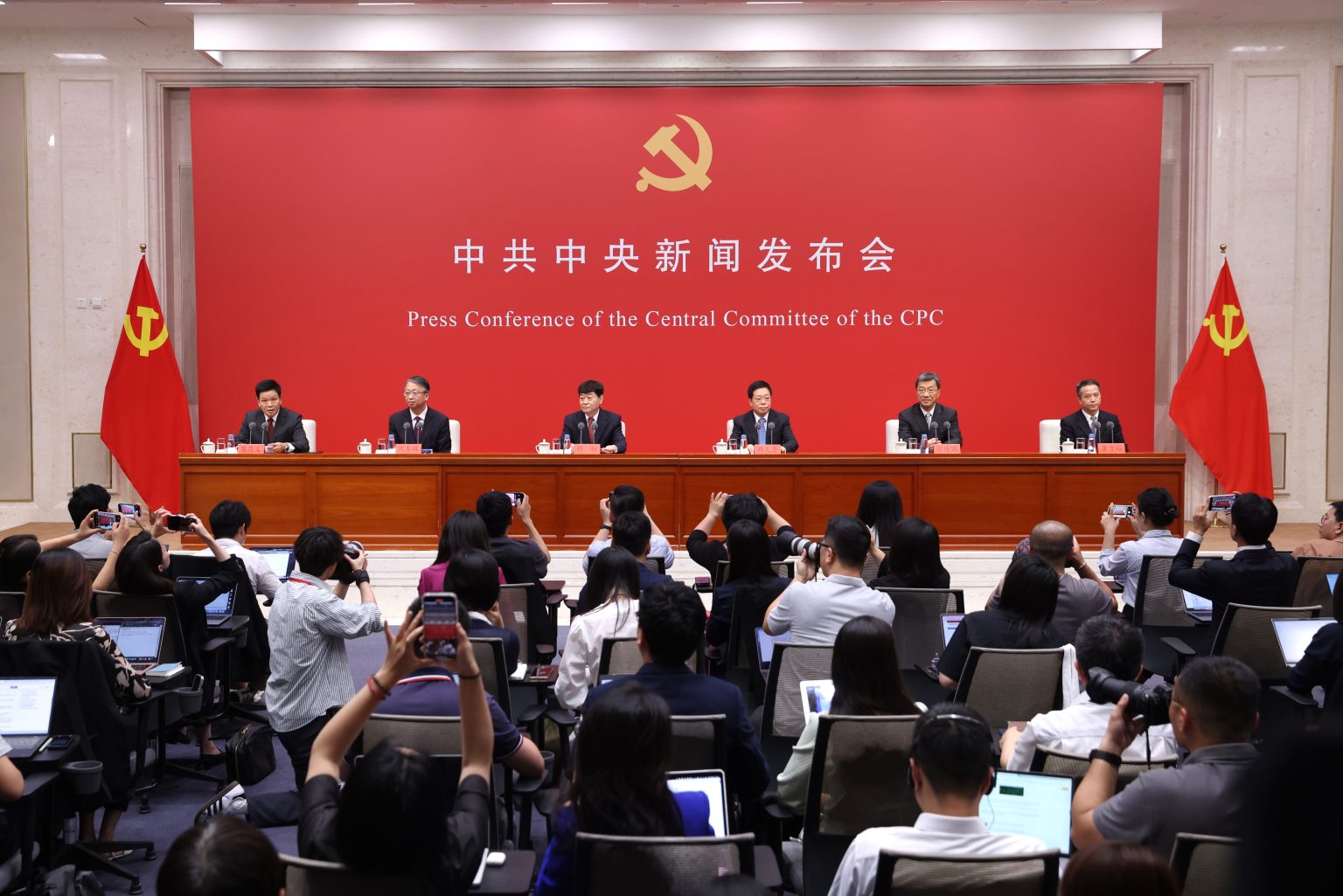
The Communist Party of China (CPC) has set a new deadline of 2029 to complete its "reform tasks," a surprise move that reflects a change in the Party's priorities. This deadline, which coincides with the 80th anniversary of the People's Republic of China, is significant as it indicates the Party's intention to finalize its revolution under the leadership of President Xi Jinping.
The CPC's focus on high-tech innovation, taxation, and agricultural land reform suggests a continued strong grip of the state over the economy. This shift in priorities may be seen as a response to the increased uneasiness of the Chinese population about the economy, inequality, and the elusive promise of the "Chinese Dream." The Party's emphasis on high-tech innovation, in particular, is noteworthy, as it is a sector steered by the state and dominated by state-owned enterprises. This focus on high-tech innovation may be seen as a bid to control China's population, as well as nascent and emerging industries, both in China and abroad.
The implications of this deadline are far-reaching. It may signal China's bid for global leadership in the short term, as well as President Xi's intention to seek a fourth term as China's supreme leader. Domestically, it could mean a renewed focus on boosting the welfare and quality of life of all Chinese citizens. The deadline may also have significant implications for China's economy, politics, and global influence.
In terms of the economy, the deadline may lead to a renewed focus on state-led development, with the government playing a more prominent role in guiding the economy. This could result in a more centralized and controlled economy, with the state exerting greater influence over key sectors such as high-tech innovation. The deadline may also lead to a greater emphasis on domestic consumption and innovation, as the Party seeks to reduce China's reliance on exports and foreign investment.
Politically, the deadline may signal a further consolidation of power by President Xi and the CPC. The Party's focus on high-tech innovation, taxation, and agricultural land reform may be seen as a bid to strengthen the Party's grip on power and to ensure its continued dominance over Chinese politics. The deadline may also lead to a greater emphasis on national security and stability, as the Party seeks to maintain social order and prevent any potential challenges to its authority.
In terms of global influence, the deadline may signal China's bid for global leadership and its intention to play a more prominent role in international affairs. The Party's focus on high-tech innovation, in particular, may be seen as a bid to challenge the dominance of Western countries in key technologies such as artificial intelligence, 5G, and biotechnology. The deadline may also lead to a greater emphasis on China's Belt and Road Initiative, as the Party seeks to promote its vision of a more interconnected and integrated world.
Overall, the CPC's deadline of 2029 is a significant development that reflects a change in the Party's priorities and a renewed focus on state-led development, high-tech innovation, and global influence. The implications of this deadline are far-reaching and will likely have significant consequences for China's economy, politics, and global influence.