Home Upload Photo Upload Videos Write a Blog Analytics Messaging Streaming Create Adverts Creators Program
Bebuzee Afghanistan Bebuzee Albania Bebuzee Algeria Bebuzee Andorra Bebuzee Angola Bebuzee Antigua and Barbuda Bebuzee Argentina Bebuzee Armenia Bebuzee Australia Bebuzee Austria Bebuzee Azerbaijan Bebuzee Bahamas Bebuzee Bahrain Bebuzee Bangladesh Bebuzee Barbados Bebuzee Belarus Bebuzee Belgium Bebuzee Belize Bebuzee Benin Bebuzee Bhutan Bebuzee Bolivia Bebuzee Bosnia and Herzegovina Bebuzee Botswana Bebuzee Brazil Bebuzee Brunei Bebuzee Bulgaria Bebuzee Burkina Faso Bebuzee Burundi Bebuzee Cabo Verde Bebuzee Cambodia Bebuzee Cameroon Bebuzee Canada Bebuzee Central African Republic Bebuzee Chad Bebuzee Chile Bebuzee China Bebuzee Colombia Bebuzee Comoros Bebuzee Costa Rica Bebuzee Côte d'Ivoire Bebuzee Croatia Bebuzee Cuba Bebuzee Cyprus Bebuzee Czech Republic Bebuzee Democratic Republic of the Congo Bebuzee Denmark Bebuzee Djibouti Bebuzee Dominica Bebuzee Dominican Republic Bebuzee Ecuador Bebuzee Egypt Bebuzee El Salvador Bebuzee Equatorial Guinea Bebuzee Eritrea Bebuzee Estonia Bebuzee Eswatini Bebuzee Ethiopia Bebuzee Fiji Bebuzee Finland Bebuzee France Bebuzee Gabon Bebuzee Gambia Bebuzee Georgia Bebuzee Germany Bebuzee Ghana Bebuzee Greece Bebuzee Grenada Bebuzee Guatemala Bebuzee Guinea Bebuzee Guinea-Bissau Bebuzee Guyana Bebuzee Haiti Bebuzee Honduras Bebuzee Hong Kong Bebuzee Hungary Bebuzee Iceland Bebuzee India Bebuzee Indonesia Bebuzee Iran Bebuzee Iraq Bebuzee Ireland Bebuzee Israel Bebuzee Italy Bebuzee Jamaica Bebuzee Japan Bebuzee Jordan Bebuzee Kazakhstan Bebuzee Kenya Bebuzee Kiribati Bebuzee Kuwait Bebuzee Kyrgyzstan Bebuzee Laos Bebuzee Latvia Bebuzee Lebanon Bebuzee Lesotho Bebuzee Liberia Bebuzee Libya Bebuzee Liechtenstein Bebuzee Lithuania Bebuzee Luxembourg Bebuzee Madagascar Bebuzee Malawi Bebuzee Malaysia Bebuzee Maldives Bebuzee Mali Bebuzee Malta Bebuzee Marshall Islands Bebuzee Mauritania Bebuzee Mauritius Bebuzee Mexico Bebuzee Micronesia Bebuzee Moldova Bebuzee Monaco Bebuzee Mongolia Bebuzee Montenegro Bebuzee Morocco Bebuzee Mozambique Bebuzee Myanmar Bebuzee Namibia Bebuzee Nauru Bebuzee Nepal Bebuzee Netherlands Bebuzee New Zealand Bebuzee Nicaragua Bebuzee Niger Bebuzee Nigeria Bebuzee North Korea Bebuzee North Macedonia Bebuzee Norway Bebuzee Oman Bebuzee Pakistan Bebuzee Palau Bebuzee Panama Bebuzee Papua New Guinea Bebuzee Paraguay Bebuzee Peru Bebuzee Philippines Bebuzee Poland Bebuzee Portugal Bebuzee Qatar Bebuzee Republic of the Congo Bebuzee Romania Bebuzee Russia Bebuzee Rwanda Bebuzee Saint Kitts and Nevis Bebuzee Saint Lucia Bebuzee Saint Vincent and the Grenadines Bebuzee Samoa Bebuzee San Marino Bebuzee São Tomé and Príncipe Bebuzee Saudi Arabia Bebuzee Senegal Bebuzee Serbia Bebuzee Seychelles Bebuzee Sierra Leone Bebuzee Singapore Bebuzee Slovakia Bebuzee Slovenia Bebuzee Solomon Islands Bebuzee Somalia Bebuzee South Africa Bebuzee South Korea Bebuzee South Sudan Bebuzee Spain Bebuzee Sri Lanka Bebuzee Sudan Bebuzee Suriname Bebuzee Sweden Bebuzee Switzerland Bebuzee Syria Bebuzee Taiwan Bebuzee Tajikistan Bebuzee Tanzania Bebuzee Thailand Bebuzee Timor-Leste Bebuzee Togo Bebuzee Tonga Bebuzee Trinidad and Tobago Bebuzee Tunisia Bebuzee Turkey Bebuzee Turkmenistan Bebuzee Tuvalu Bebuzee Uganda Bebuzee Ukraine Bebuzee United Arab Emirates Bebuzee United Kingdom Bebuzee Uruguay Bebuzee Uzbekistan Bebuzee Vanuatu Bebuzee Venezuela Bebuzee Vietnam Bebuzee World Wide Bebuzee Yemen Bebuzee Zambia Bebuzee Zimbabwe
Blog Image

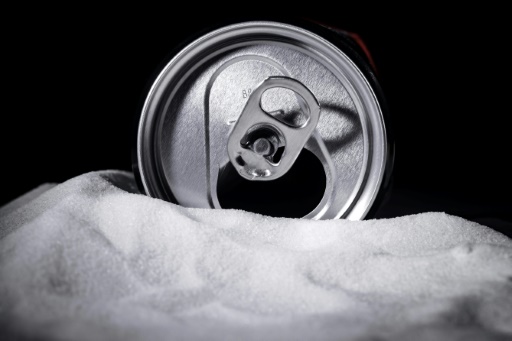
Consuming artificial sweeteners linked to cancer risk: study

Consuming artificial sweetener could increase the risk of developing cancer

PARIS

Consuming artificial sweetener could increase the risk of developing cancer, a large-scale study suggests, but experts not involved in the research said it was not enough proof to consider changing current health advice.

Sweeteners are consumed by millions every day in products like diet soda, partly as a way to avoid weight gain from sugar -- but how healthy these substitutes are themselves has long been a matter of controversy.

To assess the cancer risk of sweeteners, researchers analyzed the data of more than 100,000 people in France who self-reported their diet, lifestyle and medical history in intervals between 2009-2021 as part of the NutriNet-Sante study.

They then compared consumption to the rate of cancer, while adjusting for other variables such as smoking, poor diet, age and physical activity.

The participants who consumed the largest amount of sweeteners, "beyond the median amount, had an increased cancer risk of 13 percent compared to non-consumers," Mathilde Touvier, research director at France's INSERM institute and the study's supervisor, told AFP.

The study, published in the journal PLOS Medicine, said that a higher cancer risk was particularly seen with sweeteners aspartame and acesulfame potassium -- both used in many soft drinks including Coke Zero.

Out of the 103,000 participants, 79 percent were women and 37 percent consumed artificial sweeteners.

Soft drinks accounted for more than half of the artificial sweeteners consumed, while table-top sweeteners represented 29 percent.

The study found that "higher risks were observed for breast cancer and obesity-related cancers".

Touvier said "we cannot totally exclude biases linked to the lifestyle of consumers", calling for further research to confirm the study's results.

The U.S. National Cancer Institute and Cancer Research UK both say that sweeteners do not cause cancer, and they have been authorised for use by the European Food Safety Authority.

"The relationship between artificial sweetener consumption and cancer risk is a controversial one, going back to the 1970s when (sweetener) cyclamate was banned for being linked to bladder cancer in rats -- although this was never shown to be the case in humans," said James Brown, a biomedical scientist at Britain's Aston University.

Brown, who was not involved in the study, told AFP that it was "reasonably well-designed" and had an "impressive" sample size.

But he added he did not "believe the current study provides strong enough evidence" for Britain's National Health Service to "change its advice just yet".

Michael Jones of The Institute of Cancer Research, London said that the link reported in the study "does not imply causation" and was "not proof that artificial sweeteners cause cancer". Read More...


 

Previous Post

Quebec public health experts say province has already entered a sixth wave of COVID-19

Next Post

What is mitochondrial donation, and what do you need to know about it?

Comments